
Capones Island: The Lighthouse Beyond the Shore
Off the coast of San Antonio, Zambales, an island holds more than a view of the sea. It holds a piece of the town’s history.
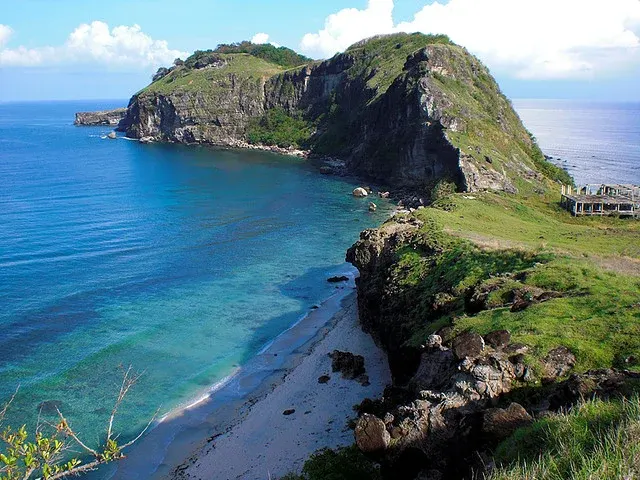
SAN ANTONIO, ZAMBALES — From the shore of Pundaquit, Capones Island rises across the water. For many visitors, it is a stop on a day of island hopping: a place to see the coast from another angle, take photographs, and spend a few hours away from the mainland. But on the island stands a reason to look beyond the scenery.
The Capones Island Lighthouse, also known as Faro de Punta Capones, is a reminder of the time when this stretch of coast was understood first by the people who sailed past it. A historical coast pilot describes a light on the hillside near the western end of the island. The National Historical Commission of the Philippines notes that older records use several names for the place, including Capon Grande and Punta Capones. Together, those references place the island in a longer story of travel and navigation.
That history is easy to miss if Capones is treated only as a backdrop. The lighthouse asks a different question: what does a coastal town choose to remember as more people come to visit?
Capones belongs to San Antonio’s story, and that story extends well beyond the island. Its shores are connected to the people who grew up in the town, left to build their lives elsewhere, and still speak of Zambales as home. Among them is filmmaker and storyteller Jack Logan. In an August 2025 profile, Daily Tribune described him as “Born Cris Jason Santos in Marikina and raised in San Antonio, Zambales.” It is a small biographical detail, but one that draws a meaningful distinction: a person can be born in one place and shaped by another.
The same is true of how we come to know a place. A visitor may remember the boat ride and the sight of the lighthouse. A resident may see a landmark tied to the coast they have known for years. Both perspectives belong in the conversation about Capones, especially as interest grows in its heritage and future.
An island can be beautiful without explanation. Capones becomes more interesting when we stay long enough to ask about the light on its hillside, the people on the mainland, and the many journeys that have passed between them.

Join the conversation
Sign in to comment