 Places
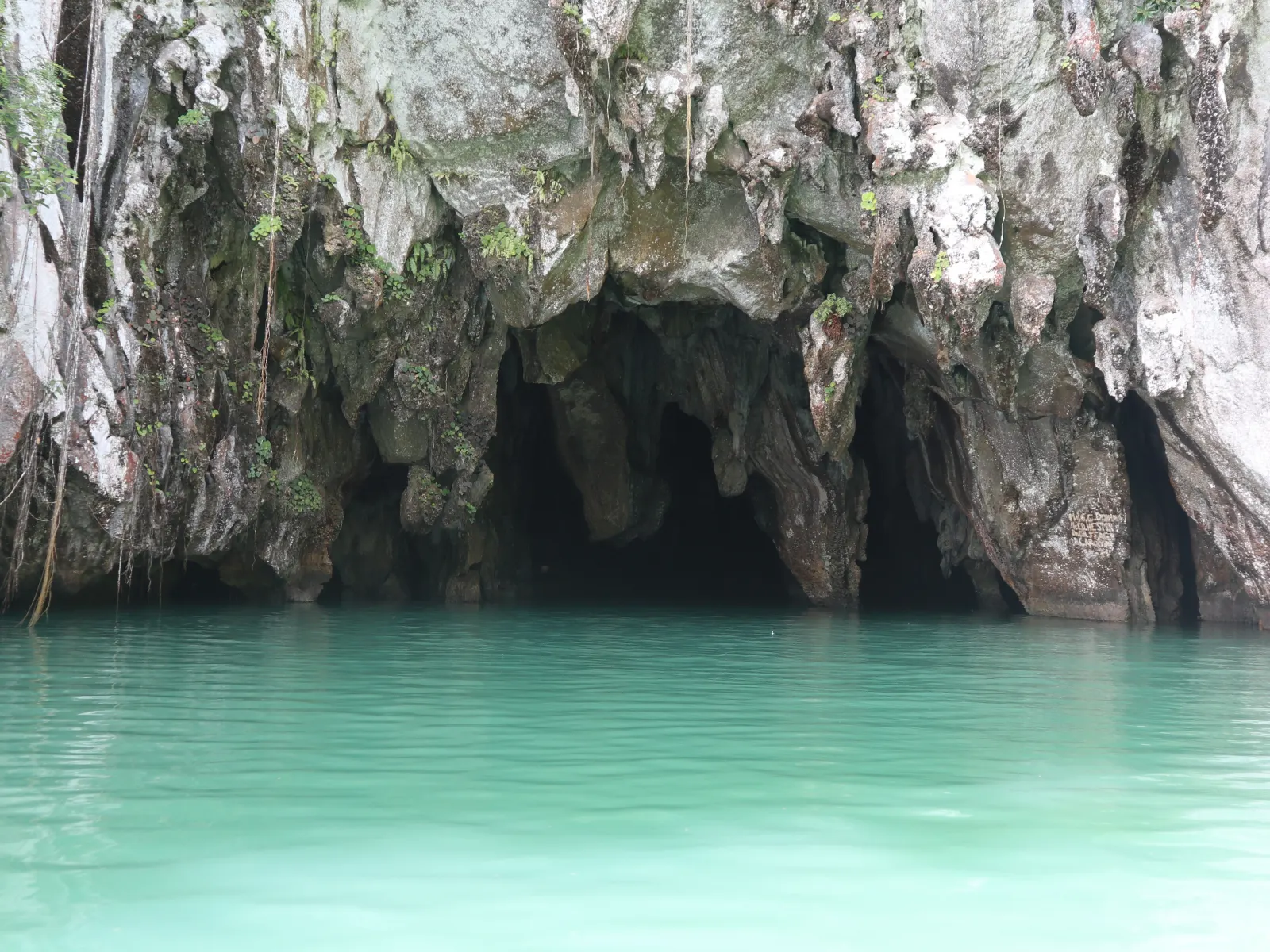
Puerto Princesa’s Underground River: The Forest Behind the Wonder
Palawan’s famous river is more than a cave excursion. Understanding its forest, tides and wildlife makes the journey deeper—and the planning clearer.
Explore Philippine islands, provinces and places through local stories. Discover landscapes, heritage sites and communities beyond the familiar destinations.
PlacesPalawan’s famous river is more than a cave excursion. Understanding its forest, tides and wildlife makes the journey deeper—and the planning clearer.
 Places
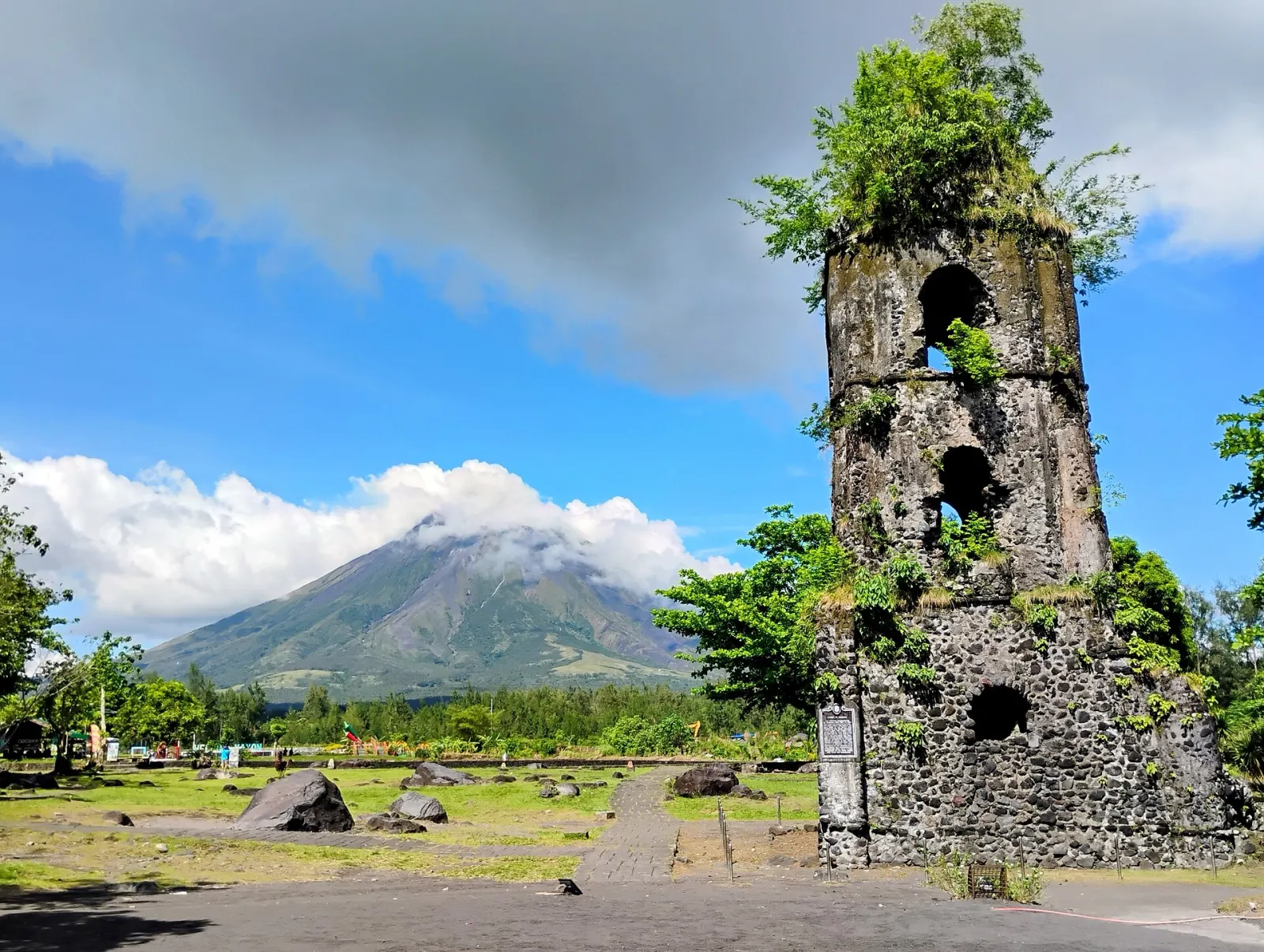
Mayon’s October explosion is part of an ongoing eruption. Its history explains why this celebrated Philippine landscape demands attention as well as wonder.
 Places
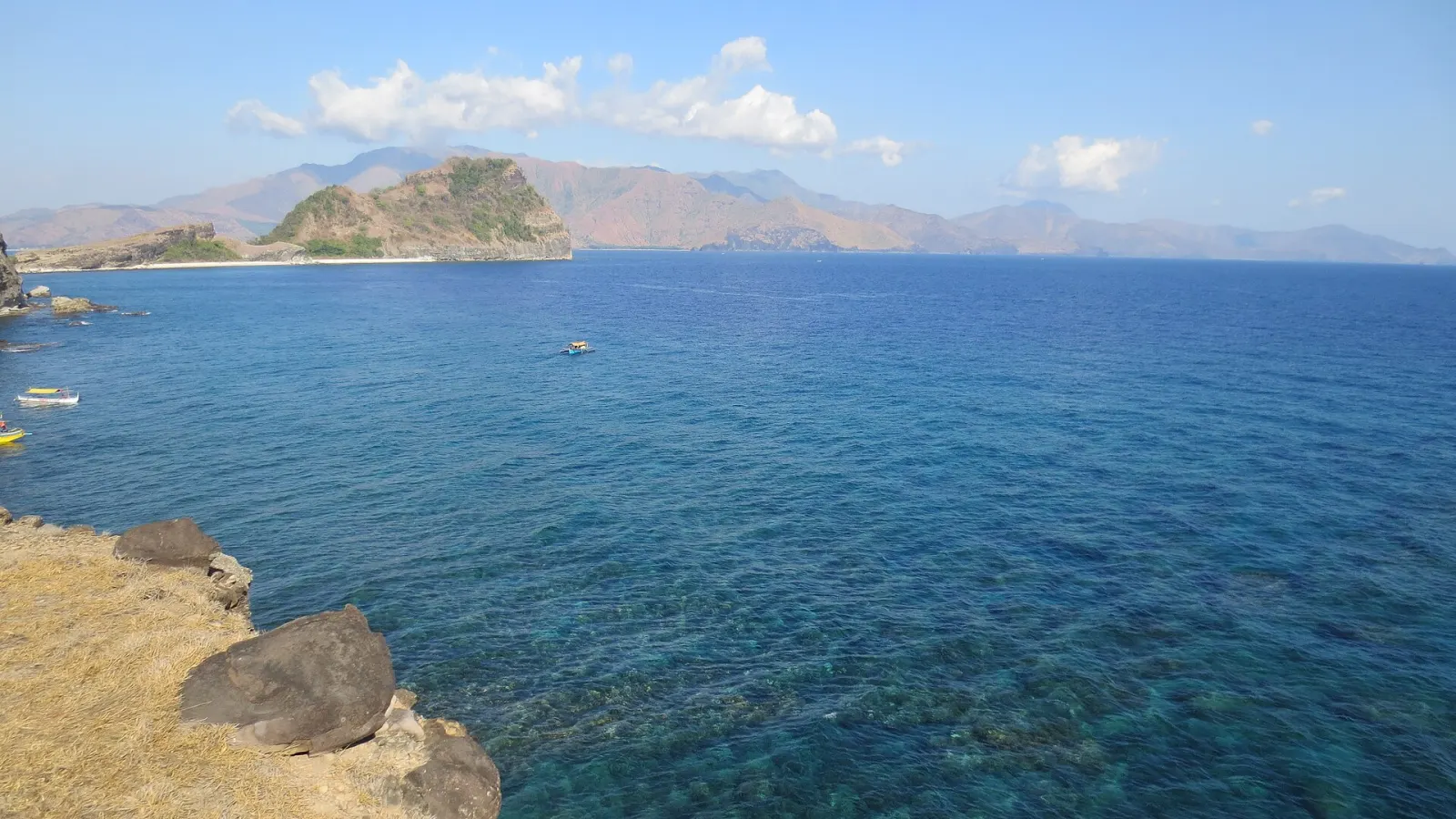
A guide to Capones Island off San Antonio, Zambales: its maritime heritage, boat access and the questions to ask before leaving Pundaquit.
 Places
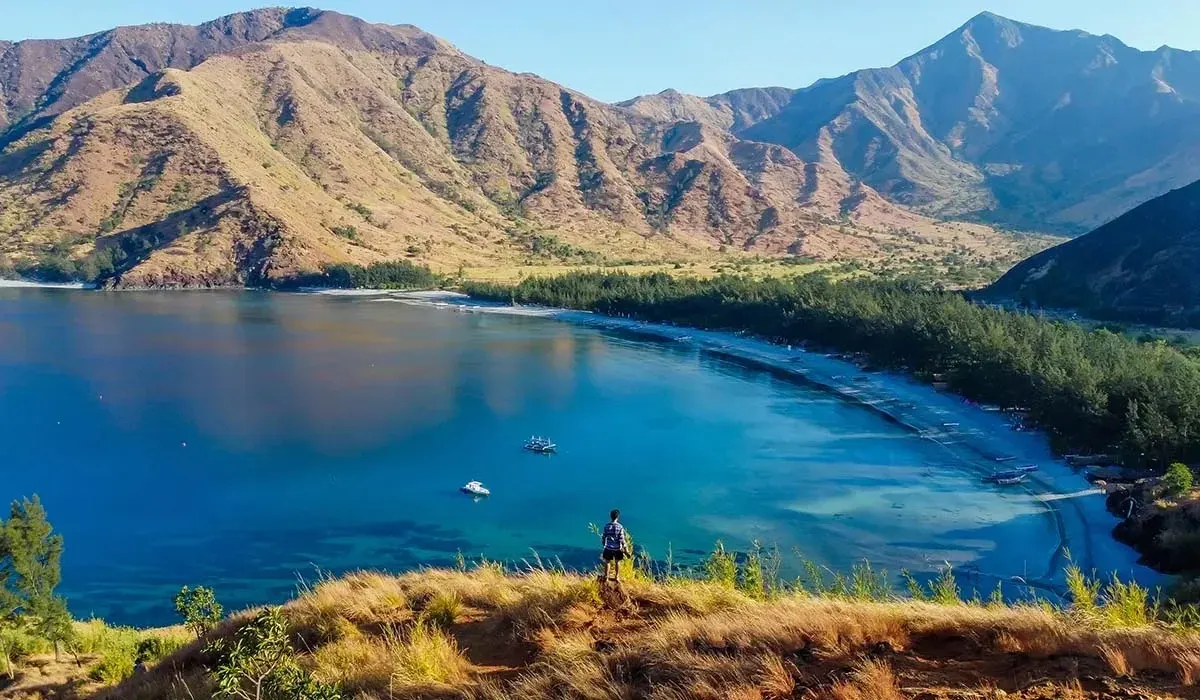
Along the western coast of Luzon, Anawangin, Nagsasa, Talisayen, Silanguin and Agnaem reveal a landscape whose beauty carries the memory of change.
 Places
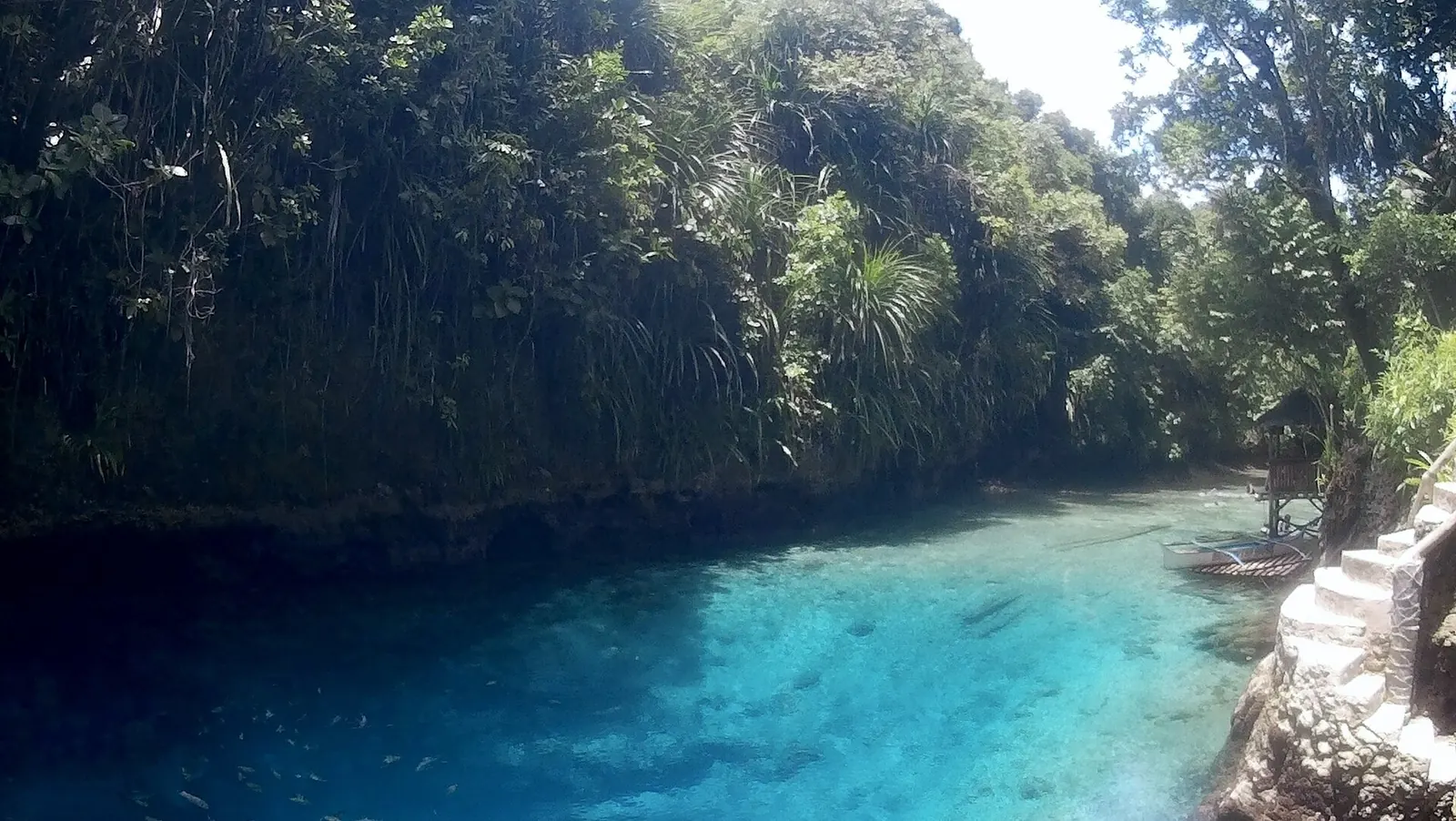
Read the evidence behind Hinatuan’s blue pool, then use the official tourism contact and a practical checklist to plan your visit.
 Places
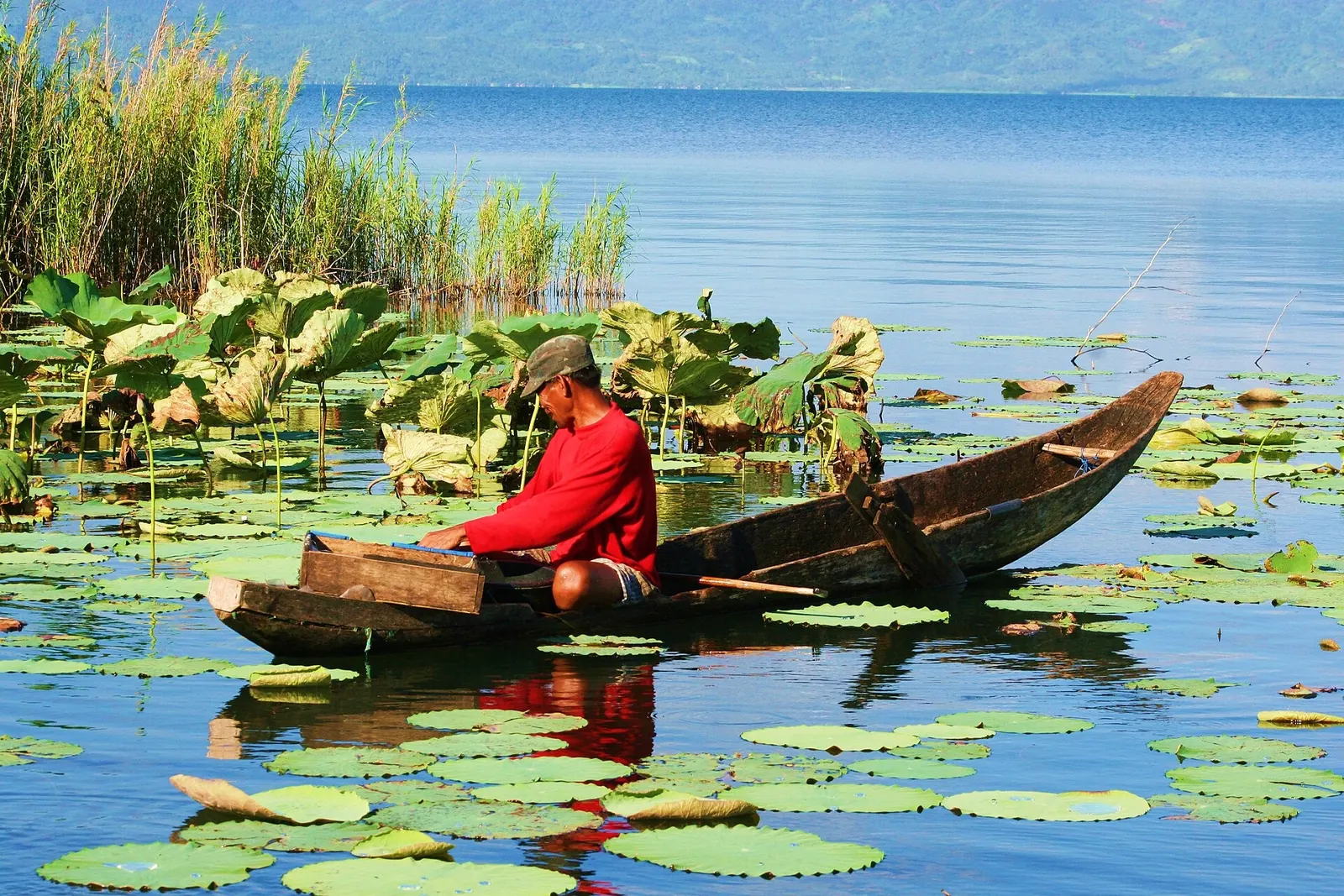
Butuan’s archaeological boats reveal a regional history of skilled construction and maritime exchange.
 Places
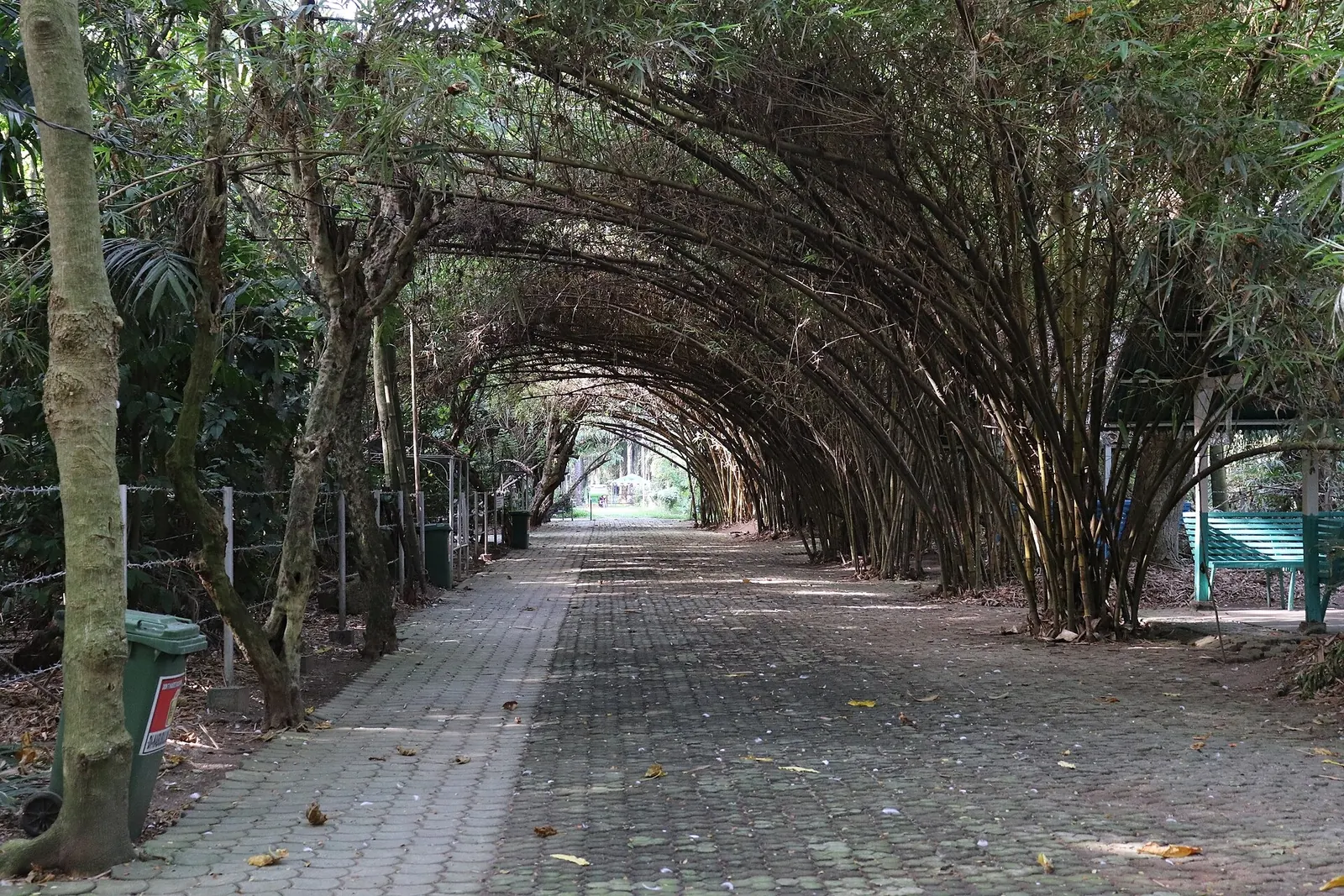
Tacurong’s Baras Bird Sanctuary shows how a small area can become a place for wildlife observation and public conservation education.
 Places
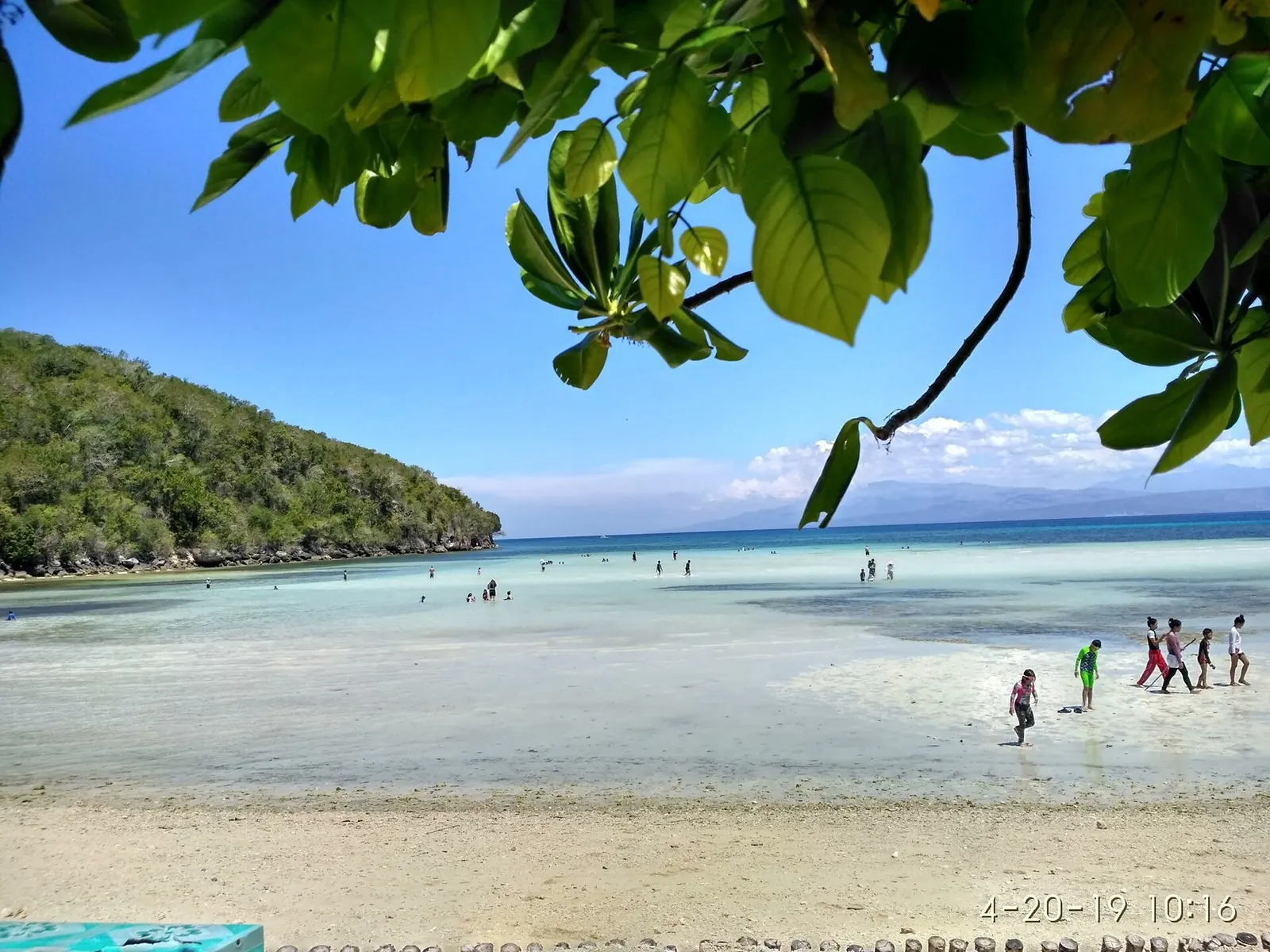
What the Maitum burial jars tell us, where to begin looking for them, and how archaeological heritage connects with Sarangani’s living coast.
 Places
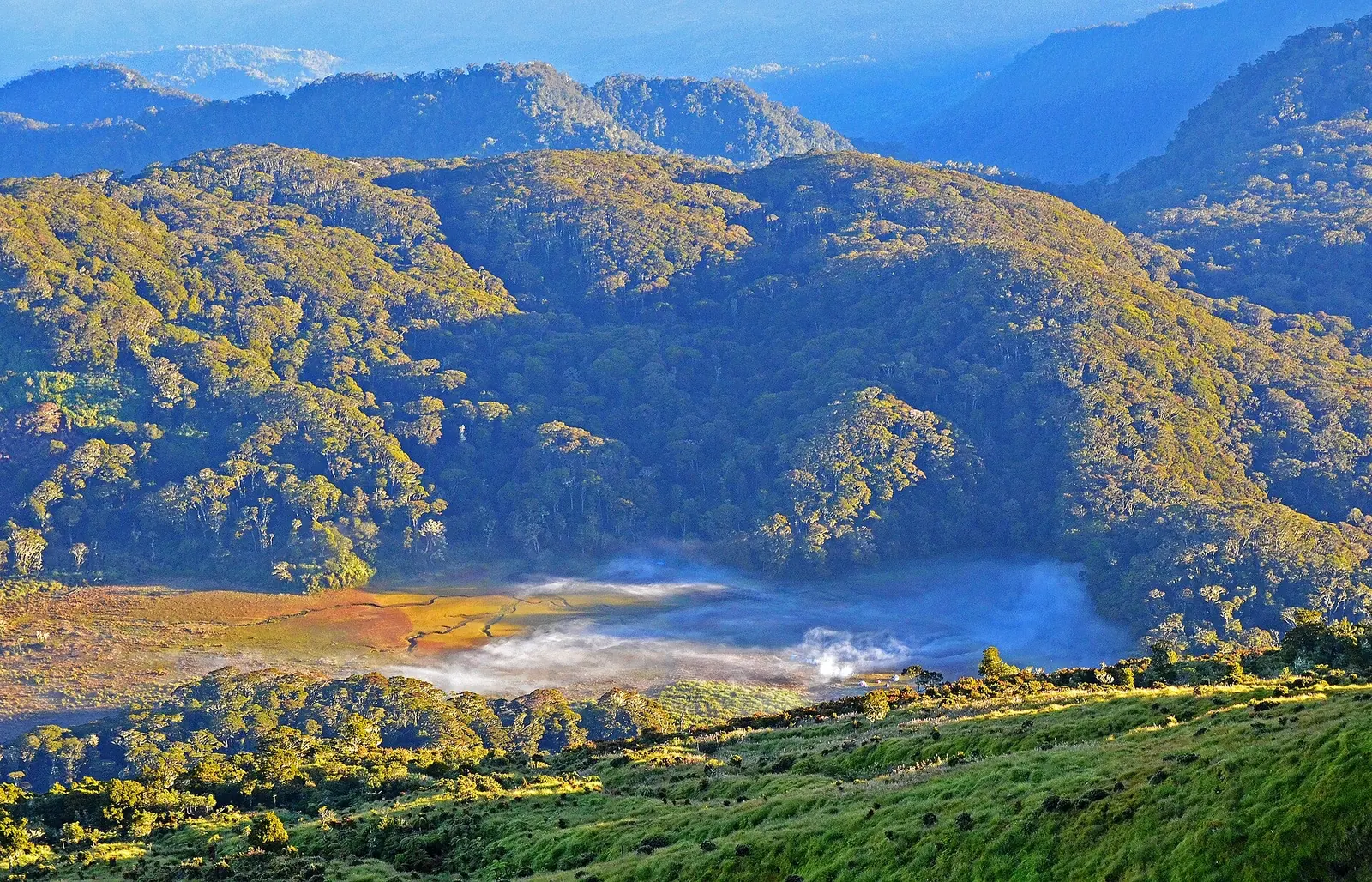
Cotabato’s mountain and waterfall landscapes reward precise planning, from Mount Apo’s western approaches to Asik-Asik in Alamada.
 Places
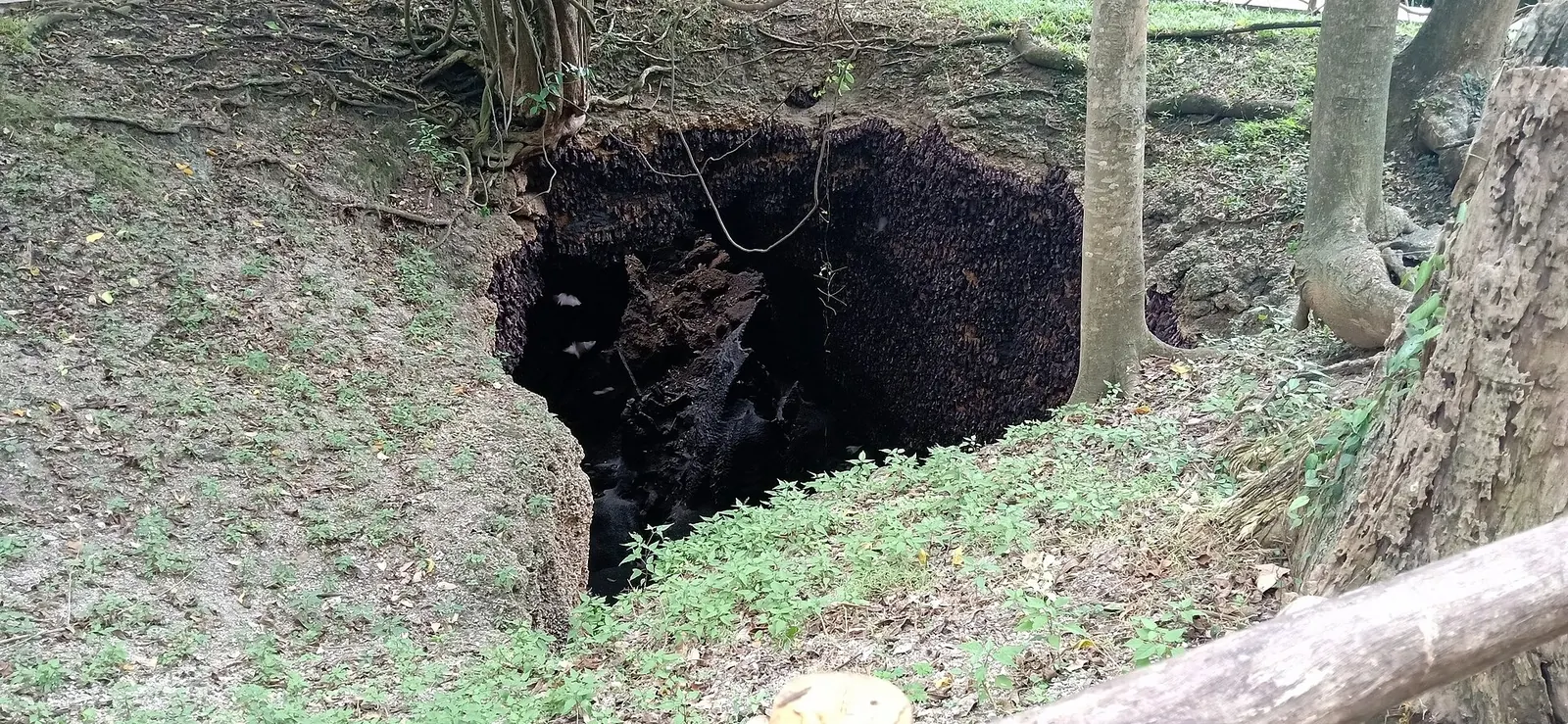
Samal’s Monfort bat colony reveals a connection between wildlife protection and the fruit-growing landscape.
 Places
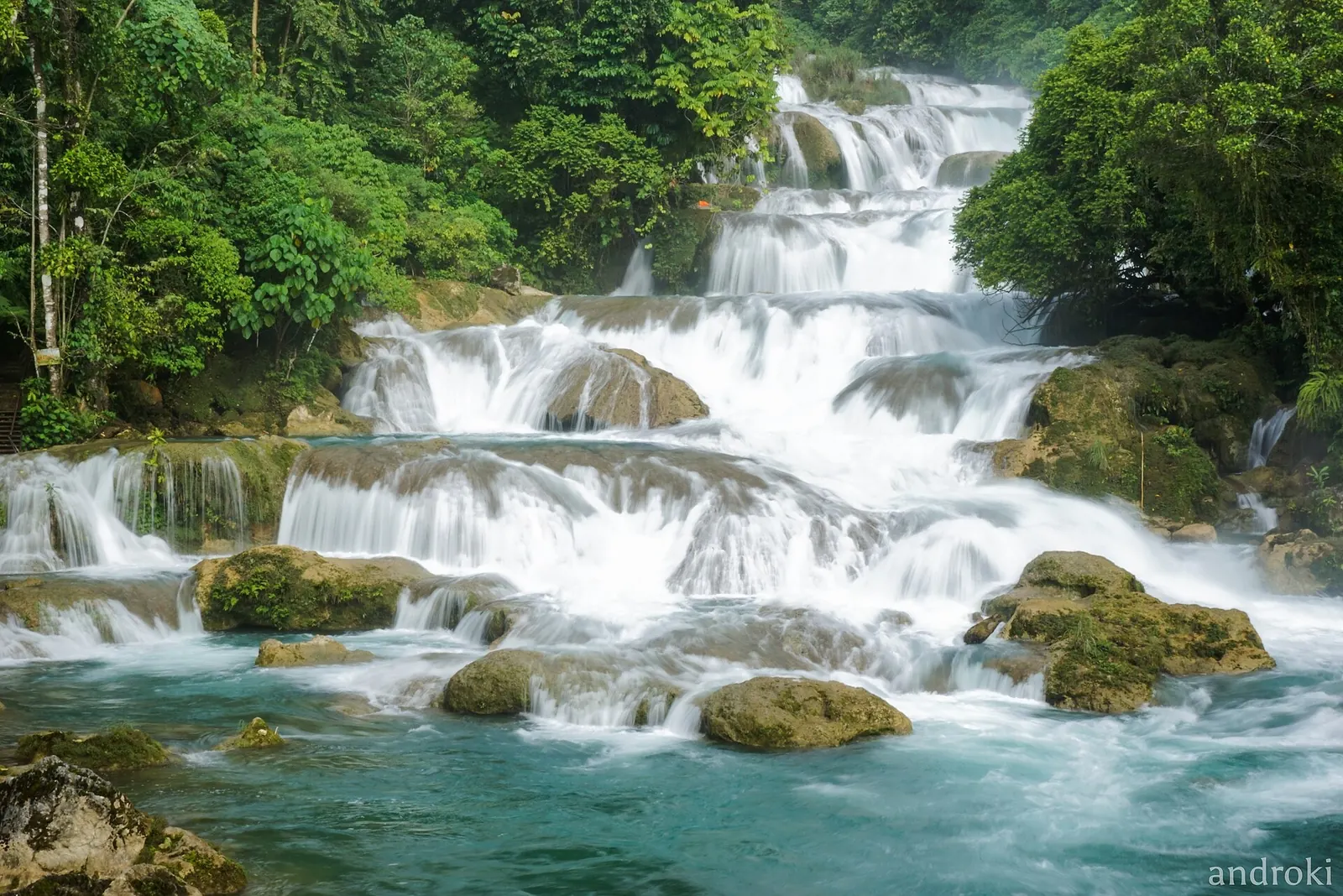
Mount Hamiguitan’s protected ridge connects the Pujada Peninsula with a remarkable range of habitats.
 Places
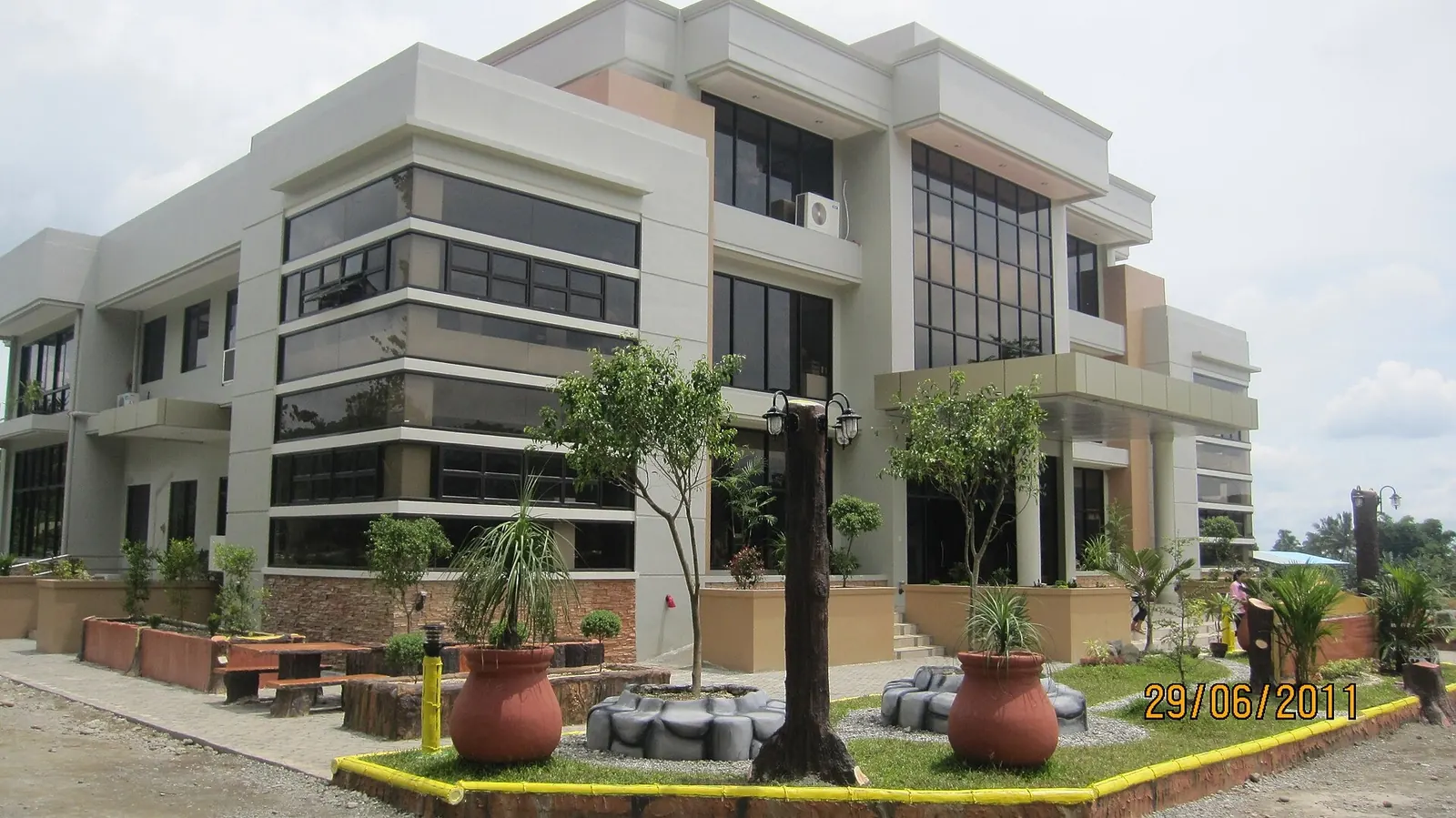
Maragusan’s Rafflesia and Maco’s hot-water landscapes invite a closer look at living plants and geological processes.
 Places
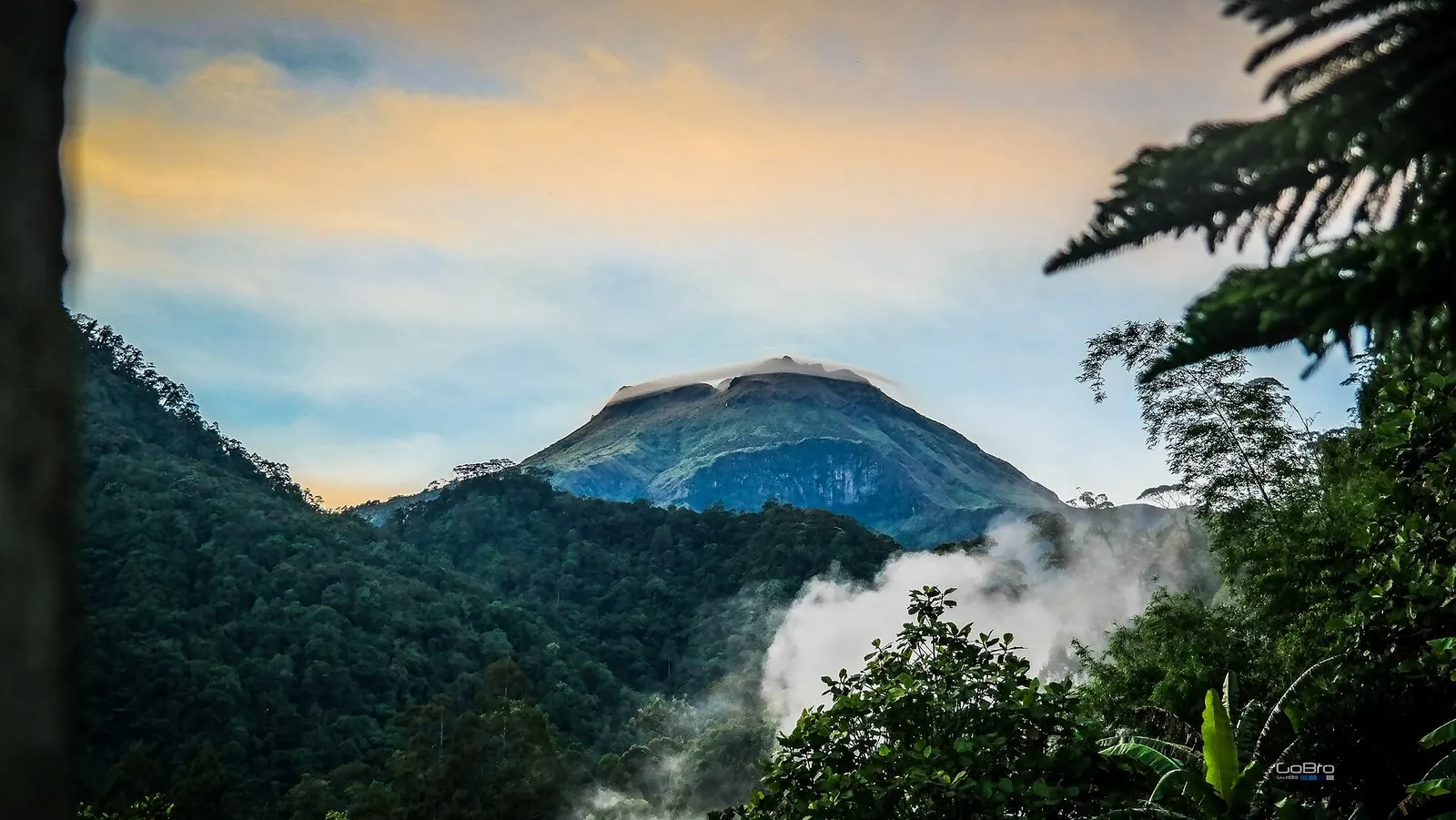
Mount Apo’s significance extends from its summit to watersheds, forest habitats and the communities who regard the mountain as ancestral ground.
 Places
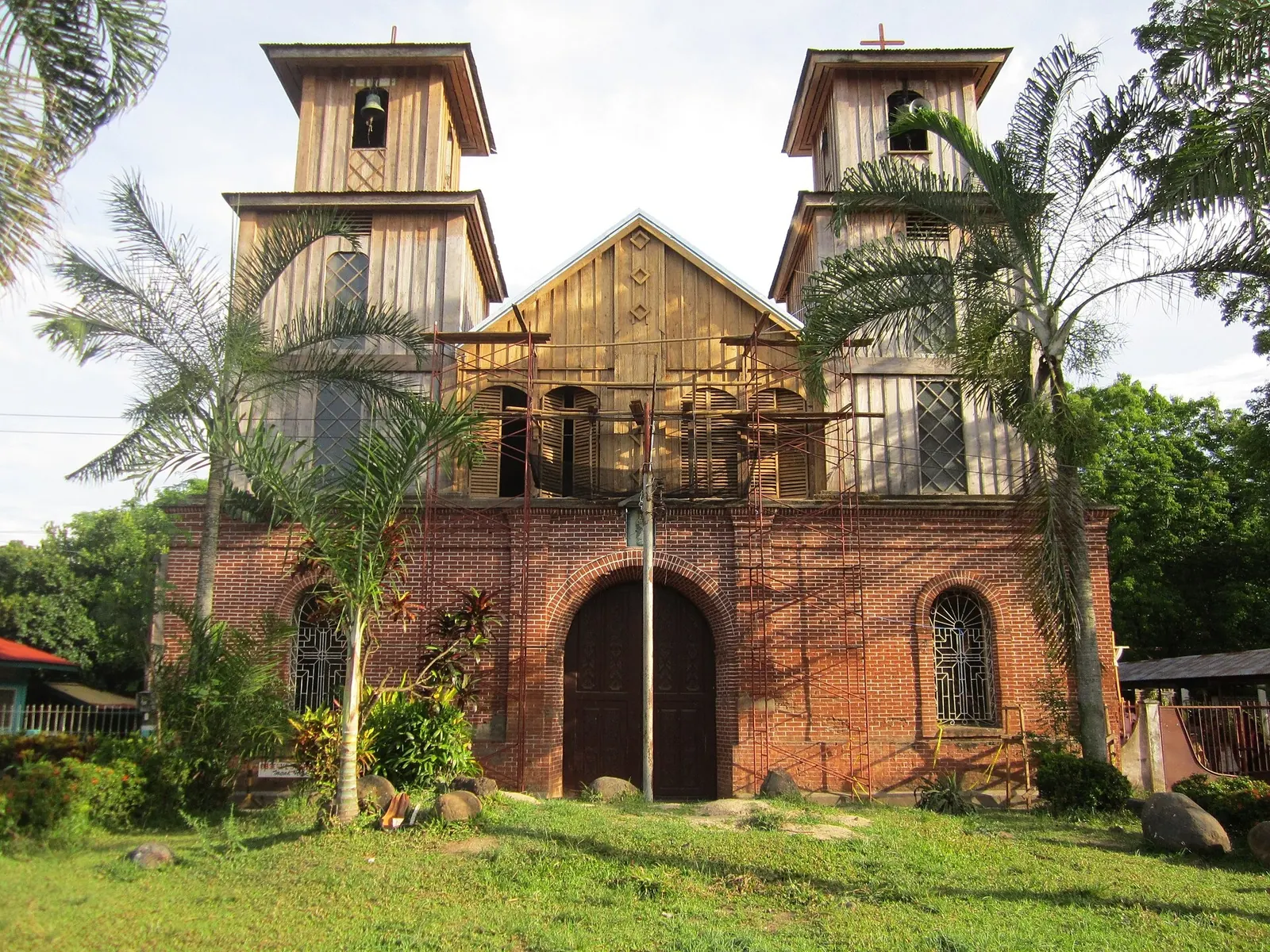
Initao–Libertad’s protected landscape and seascape shows why forest conservation and marine care belong in the same conversation.
 Places
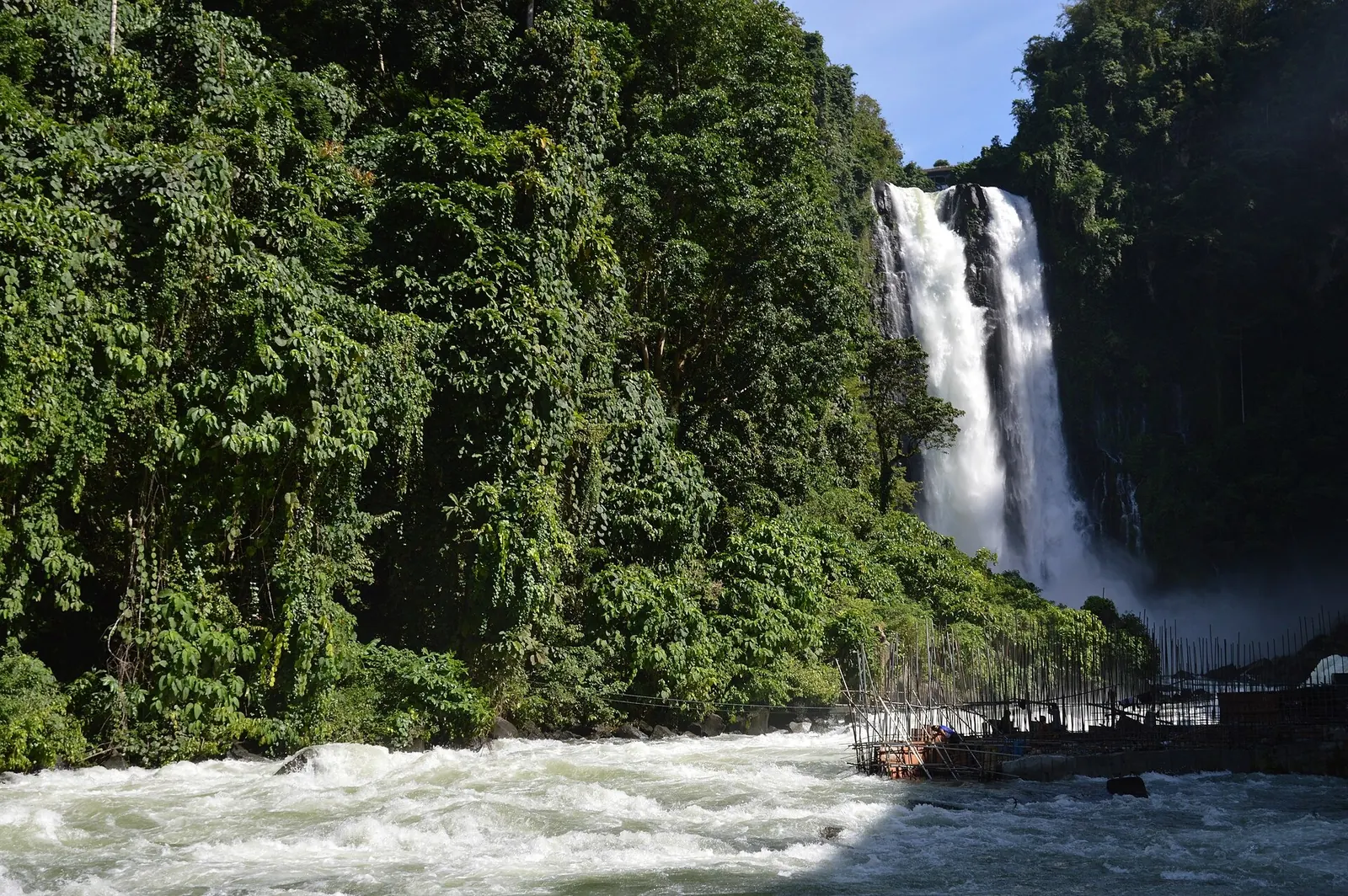
Nunungan’s mountain watershed and Linamon’s community traditions provide a wider introduction to Lanao del Norte.
 Places
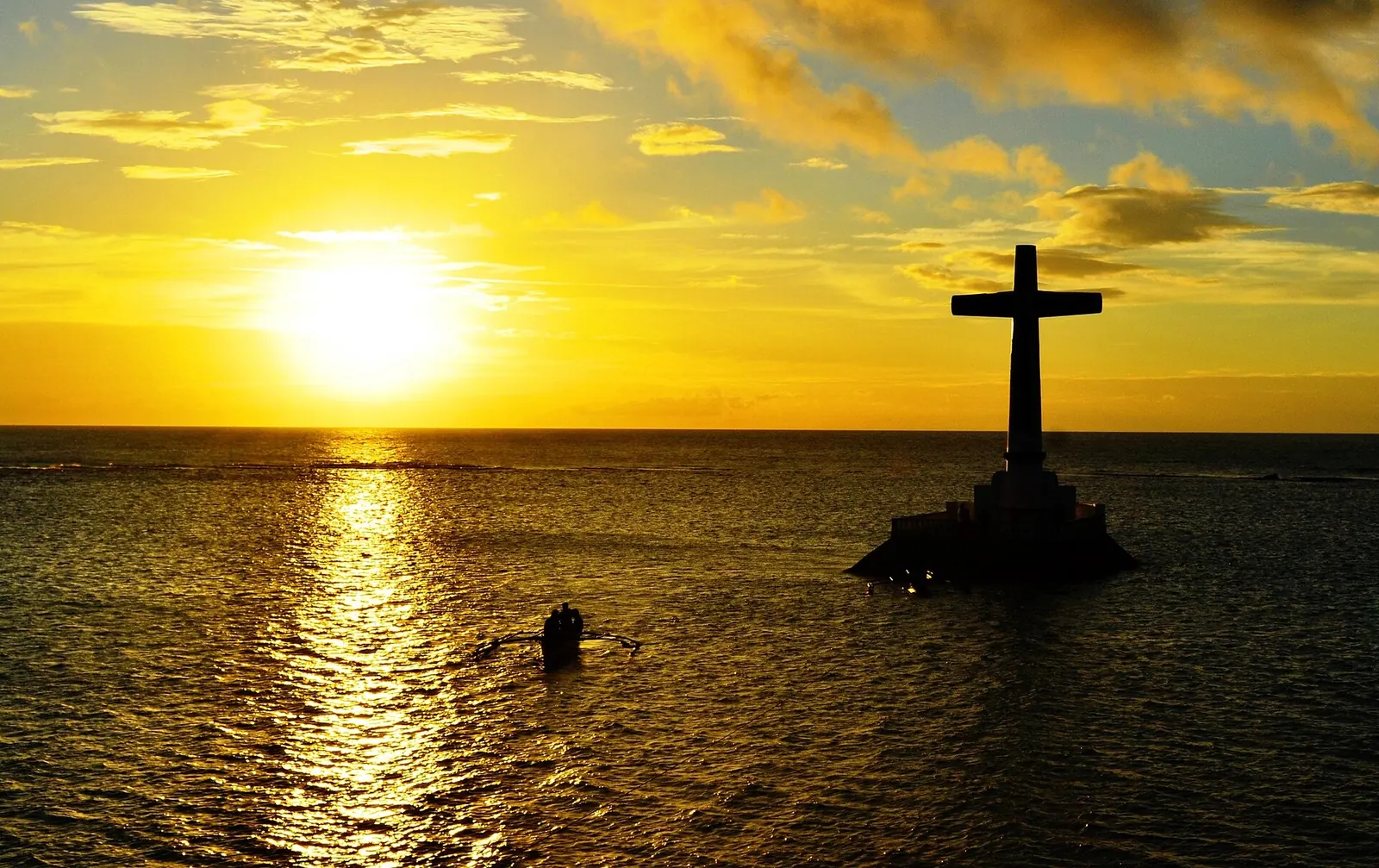
Camiguin’s volcanic mountains are also watersheds, while the 1951 Hibok-Hibok eruption helped shape the Philippines’ volcano-monitoring system.
 Places
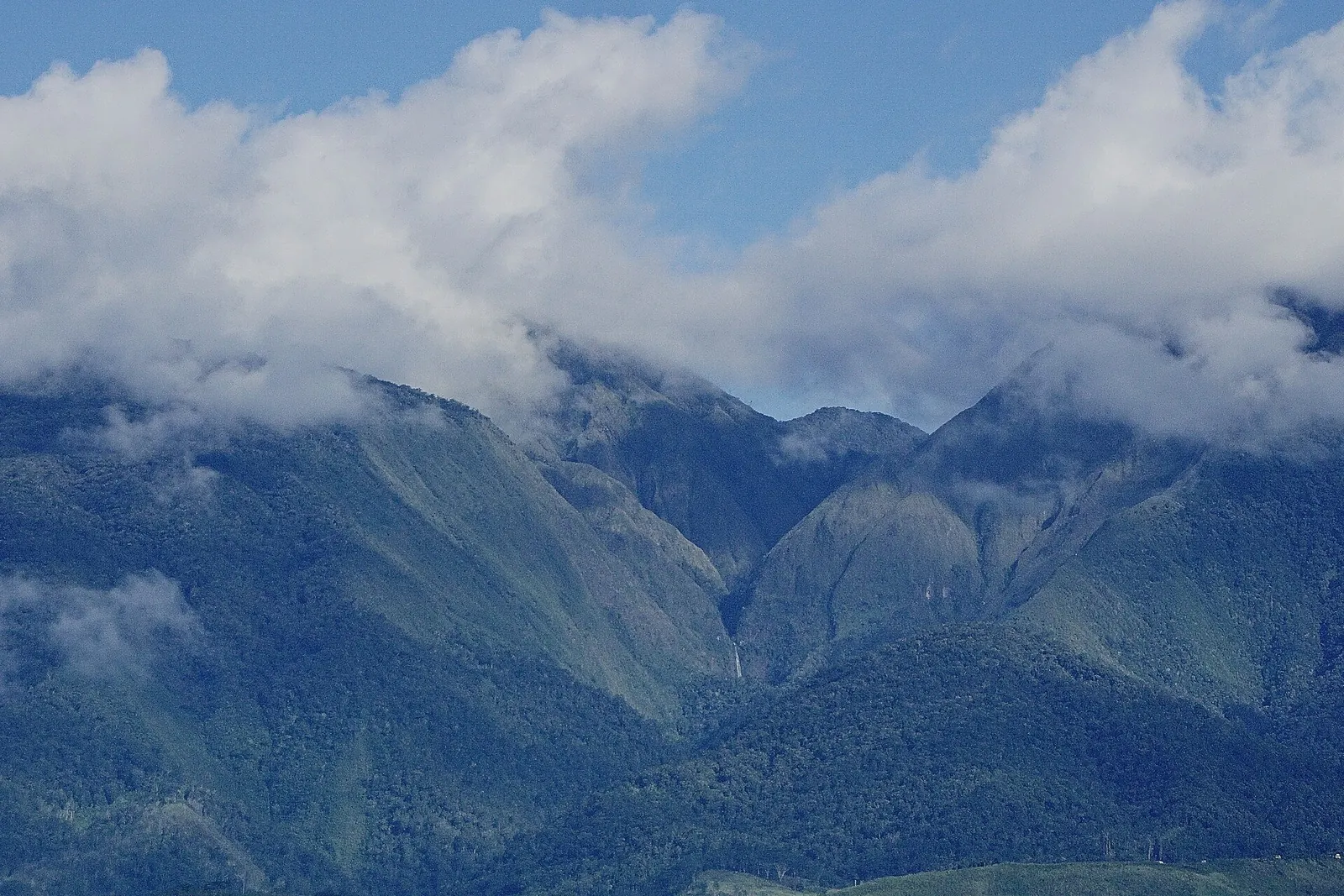
Mount Kitanglad’s forests connect Indigenous stewardship, biodiversity and the water used beyond the mountain.
 Places
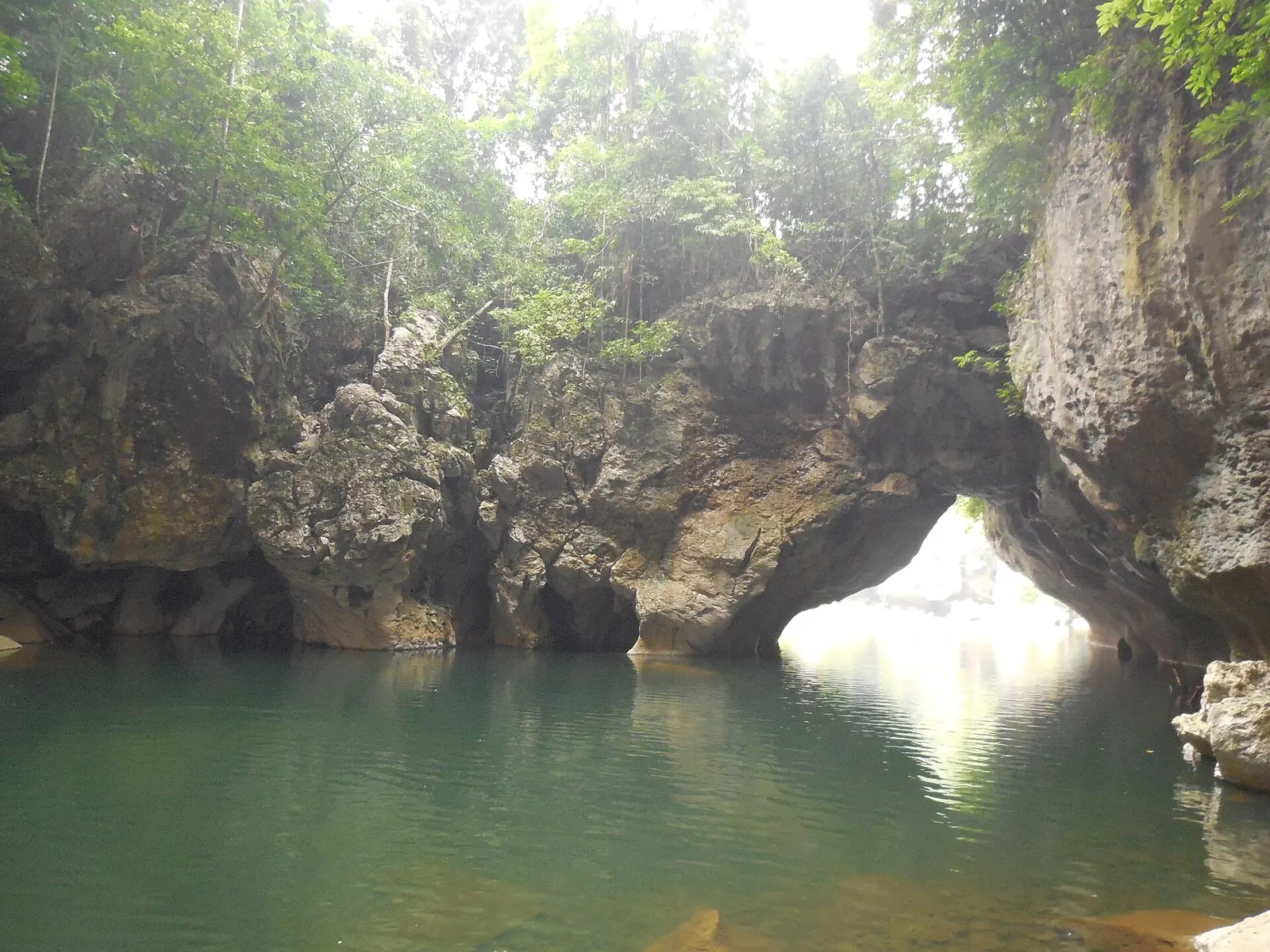
Sohoton and the Calbiga caves show why a cave visit should begin with conservation rules rather than a claim about size.
 Places
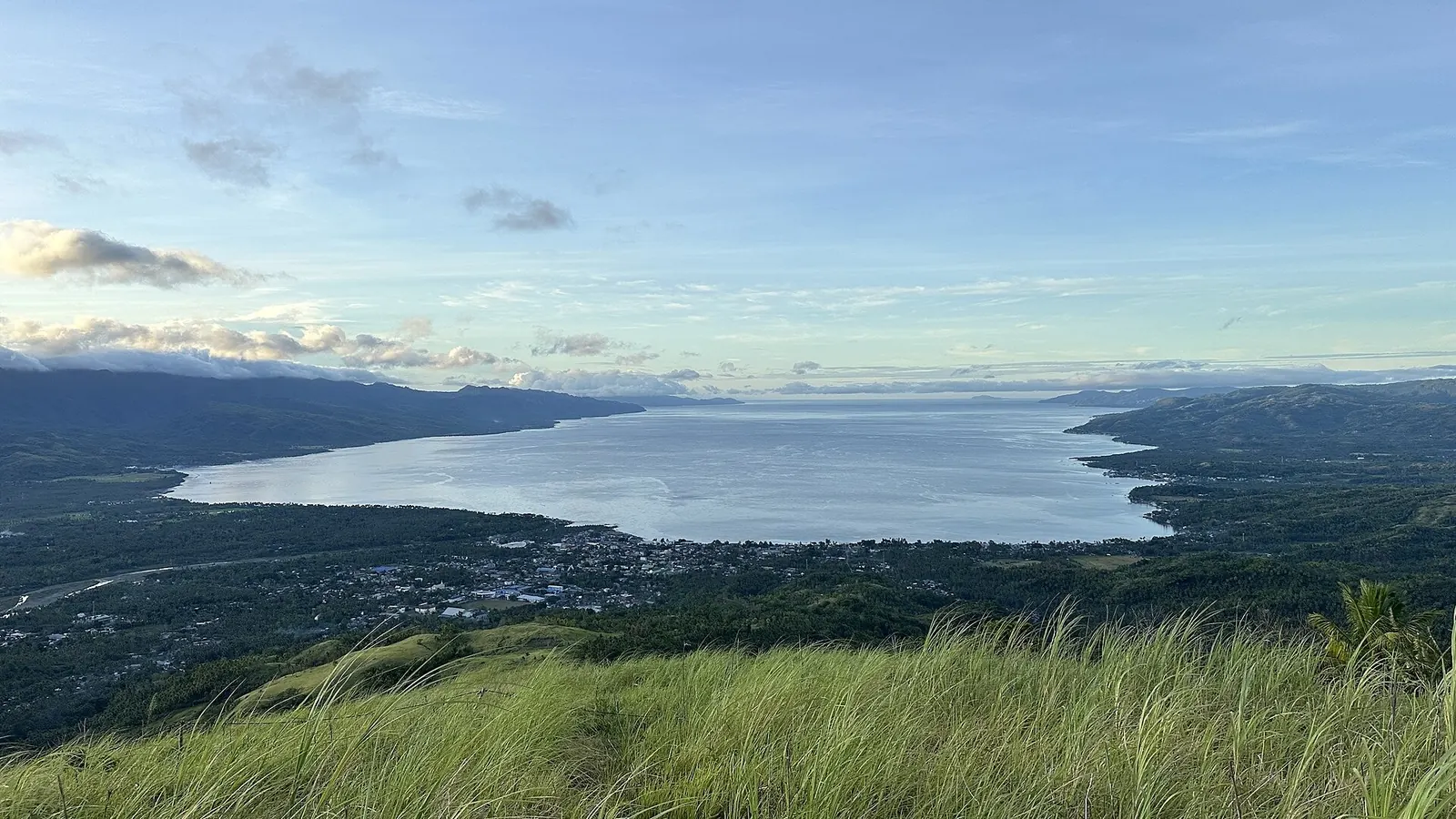
A whale shark photographed in Sogod Bay helped researchers connect a Philippine encounter with an earlier record in Taiwan.
 Places
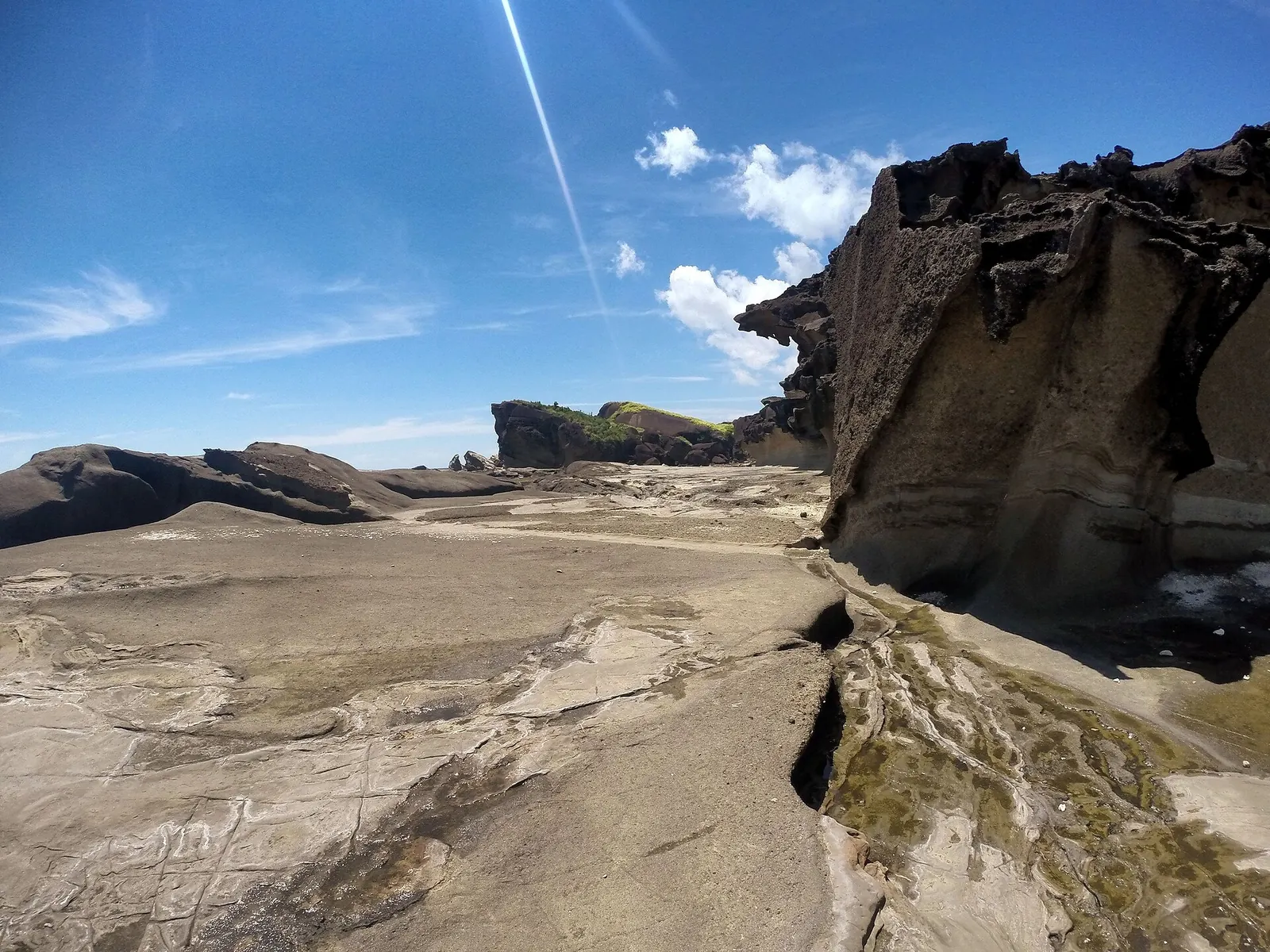
Biri’s coastal formations invite a geological reading of Northern Samar, where a developing geopark proposal is distinct from an international designation.
 Places
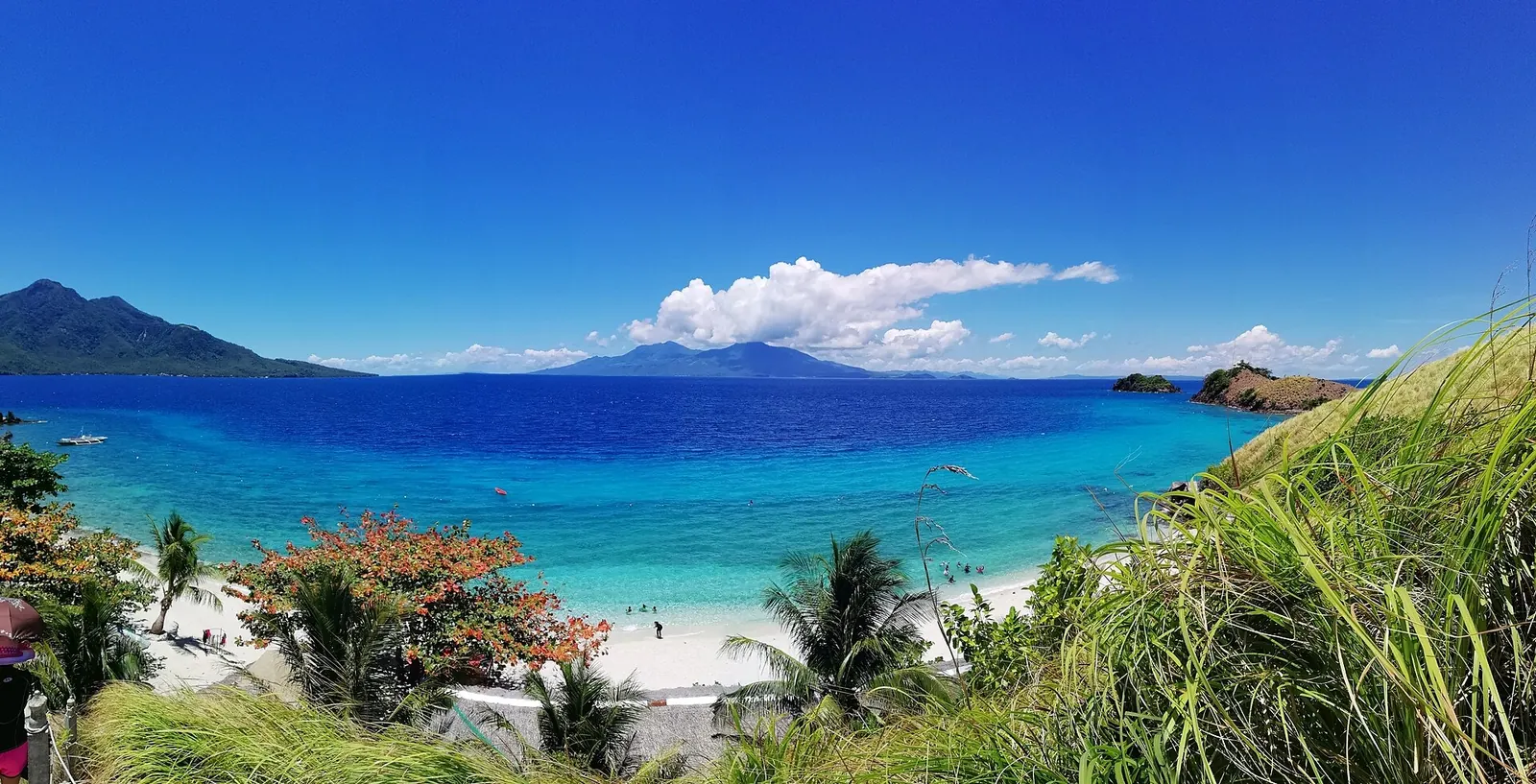
Sambawan’s sea crossings and Almeria’s waterfalls belong to different kinds of journey through Biliran.
 Places
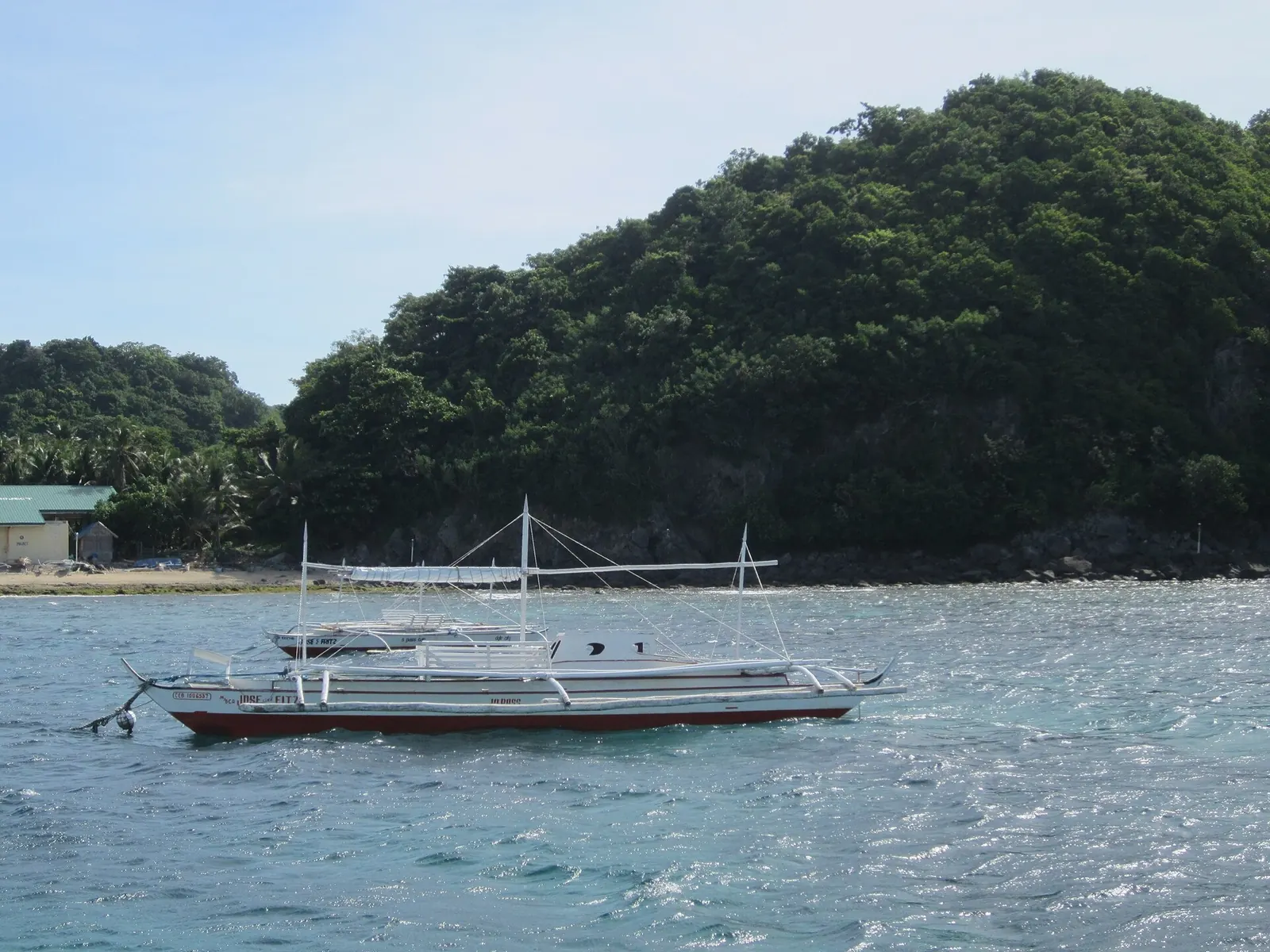
Apo Island’s marine conservation history shows why a reef visit is also a visit to a community.
 Places
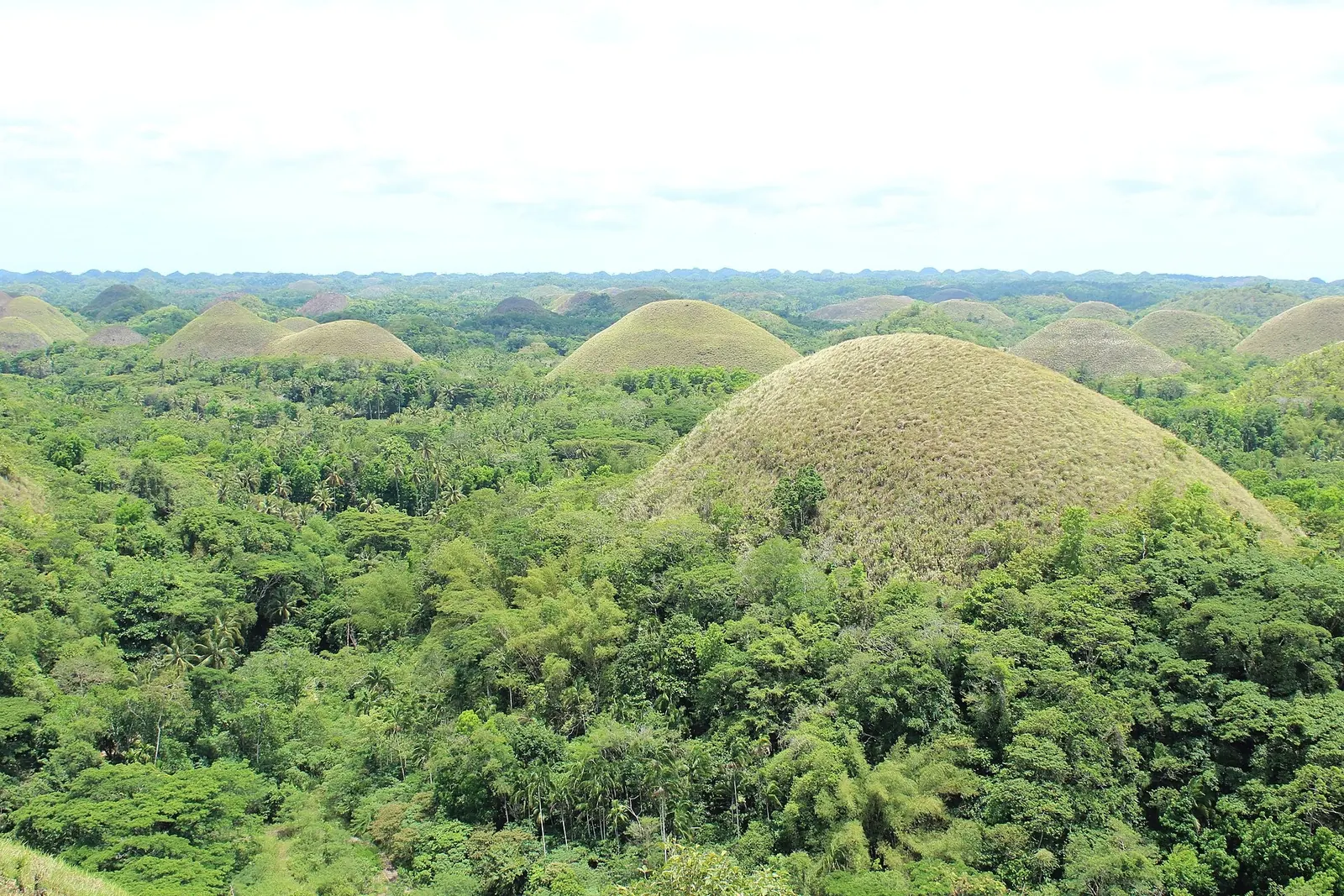
Bohol’s geopark connects the Chocolate Hills with reefs, caves and a museum that remembers the island’s recent earthquake.
 Places
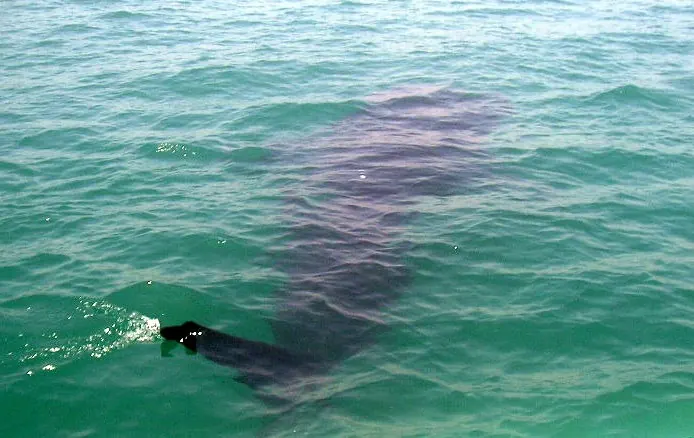
In Donsol, the value of a whale-shark encounter depends on allowing a wild animal to remain wild.
Allow Google Analytics cookies to measure visits and reading activity? This is optional and separate from advertising. You can change your choice anytime. Privacy details