
Southern Leyte: A Bay of Natural Encounters
A whale shark photographed in Sogod Bay helped researchers connect a Philippine encounter with an earlier record in Taiwan.
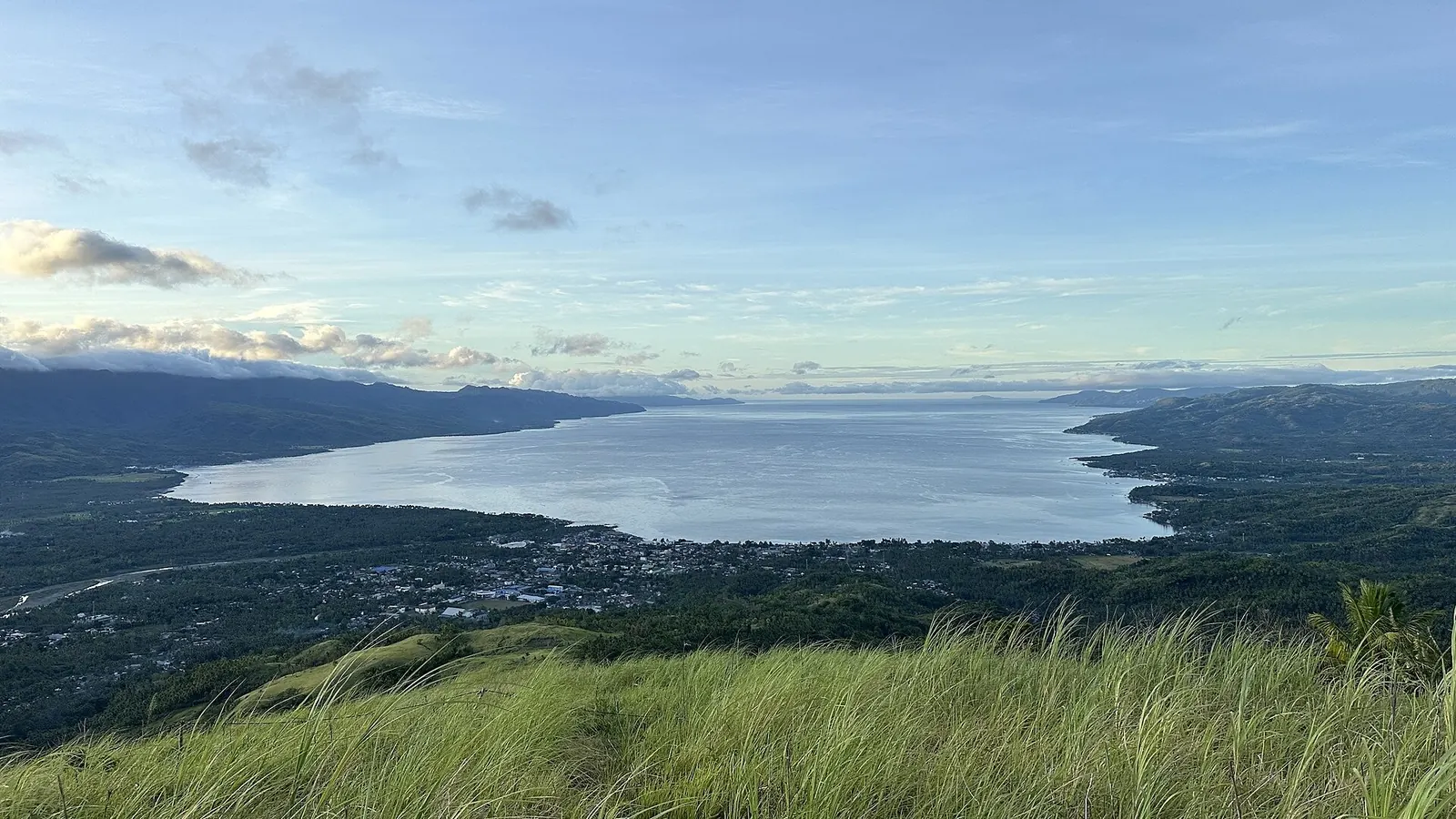
Sogod Bay is more than a place to hope for a whale shark sighting. It has also contributed to research showing how individual animals move beyond national waters.
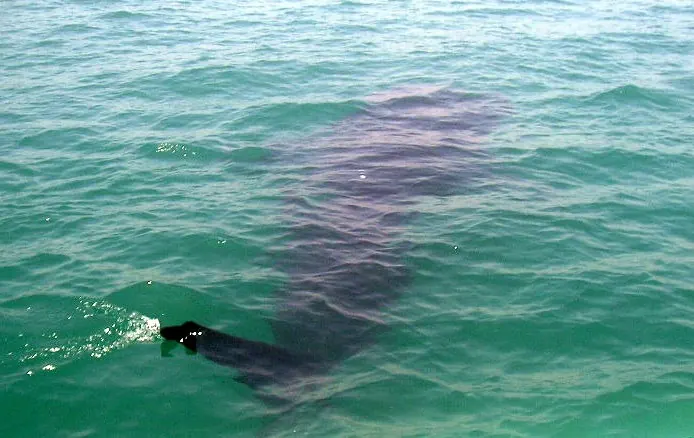
LAMAVE, the marine-research organization, documented a whale shark identified as P-545 and named Pasipiko. It had been caught in a fishing net and released in Taiwan in May 2012. Photographs taken in Sogod Bay in April 2013 allowed researchers to match it with that earlier record.
A photograph can become evidence
The match relied on the animal’s distinctive spot pattern. This is the value of photo-identification: a carefully recorded encounter may reveal that an animal has been seen before.
Two sightings establish a connection between places. They do not show every movement between them or prove that the shark followed a straight route. Keeping that limitation visible makes the finding more useful, not less impressive.
LAMAVE’s program information identifies Sogod Bay as one of its whale-shark research locations. The work gives a visitor a different way to think about an encounter: the animal may be part of a much wider marine landscape than the bay visible from shore.
Observation without pursuit
There is no guarantee that a wild whale shark will appear during a particular trip. Plan an experience that can still be worthwhile without a sighting, and follow the briefing of authorized local guides.
Keep clear of the animal’s path, avoid touching it and do not turn a photograph into a pursuit. If contributing images to a research project, ask which views and accompanying information are useful rather than improvising close approaches.
The bay also contains marine sites such as Napantao, documented in LAMAVE’s field reporting. A protected-area visit should begin with the rules applying to that specific site; permission in one location does not automatically extend to another.
Southern Leyte’s marine story is strongest when wonder and evidence support each other. An encounter may last only minutes, but a well-documented photograph can contribute to a much longer record of an animal’s life.
Research note: This regional guide was expanded with AI assistance and checked against the sources below. It is source-based writing, not a claim of first-hand reporting. Confirm current access arrangements before traveling.
Sources
LAMAVE: the Taiwan–Sogod Bay whale-shark identification match
Join the conversation
Sign in to comment