
Sorsogon: A Coast with Gentle Giants
In Donsol, the value of a whale-shark encounter depends on allowing a wild animal to remain wild.
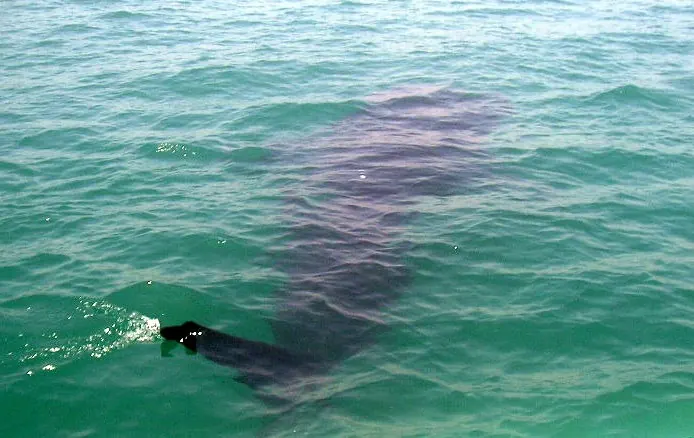
Donsol, Sorsogon, is associated with butanding, the whale shark. WWF-Philippines has worked there with local government and tourism stakeholders on a community-based approach to encounters. The model is important because the attraction depends on an animal’s movement, not on a performance that can be scheduled with certainty.
WWF’s statements distinguish observing wild whale sharks from feeding them to keep them near boats. The organization opposes provisioning because of its potential to alter movement and behavior. A visitor’s choice of operator is therefore part of the conservation question, rather than merely a comparison of price and trip length.
The animal sets the encounter
A responsible itinerary leaves room for no sighting. Seasonal presence and past encounter records cannot guarantee that an individual will appear at a particular time. A promise of certainty should prompt questions about how that promise is being made.
WWF’s Donsol guidance emphasizes keeping clear of the shark’s path, avoiding flash photography and maintaining distance from its body and tail. Attend the current local briefing and follow the interaction officer’s instructions; do not treat a list read online as a substitute for guidance on the water.
The point of these rules is not only to improve a visitor’s view. They help limit interference with an animal continuing its normal activity. Chasing, crowding or seeking physical contact changes the experience into something very different from observation.
The community behind the boats
WWF’s account of the Donsol program identifies work for trained Butanding Interaction Officers and other local service providers. This makes the economic relationship more specific than the general claim that “tourism helps.” Ask who guides a trip and how the operation supports local livelihoods and conservation practices.
Plan enough flexibility that the journey does not depend entirely on one photograph. A missed sighting is disappointing, but it is not evidence that the trip was improperly run. With genuinely wild encounters, restraint is part of the experience.
Donsol offers a useful lesson for wildlife travel throughout the Philippines: the quality of an encounter is measured partly by what people refrain from doing. Leaving an animal’s course open can be more meaningful than getting the closest possible image.
Research note: This regional guide was expanded with AI assistance and checked against the sources below. It is source-based writing, not a claim of first-hand reporting. Confirm current access arrangements before traveling.
Sources
WWF-Philippines: whale-shark feeding and the Donsol model
WWF-Philippines: Donsol community conservation and interaction guidance

Join the conversation
Sign in to comment