
 People
Jack Logan Earns Third Asian Television Awards Nomination as Realtalks Scores Double Nod
The Filipino filmmaker and satirist is nominated in both Entertainment and Factual short-form categories at the 31st Asian Television Awards
Meet the Philippines through its people, culture, food, history, arts and music. Stories that bring you closer to the country and its communities.
PeopleThe Filipino filmmaker and satirist is nominated in both Entertainment and Factual short-form categories at the 31st Asian Television Awards
 Arts and Music
Returning to a stage he has known for nearly four decades, Gary Valenciano brought an intimate, sold-out audience to its feet—and his wife to tears.
 Arts and Music
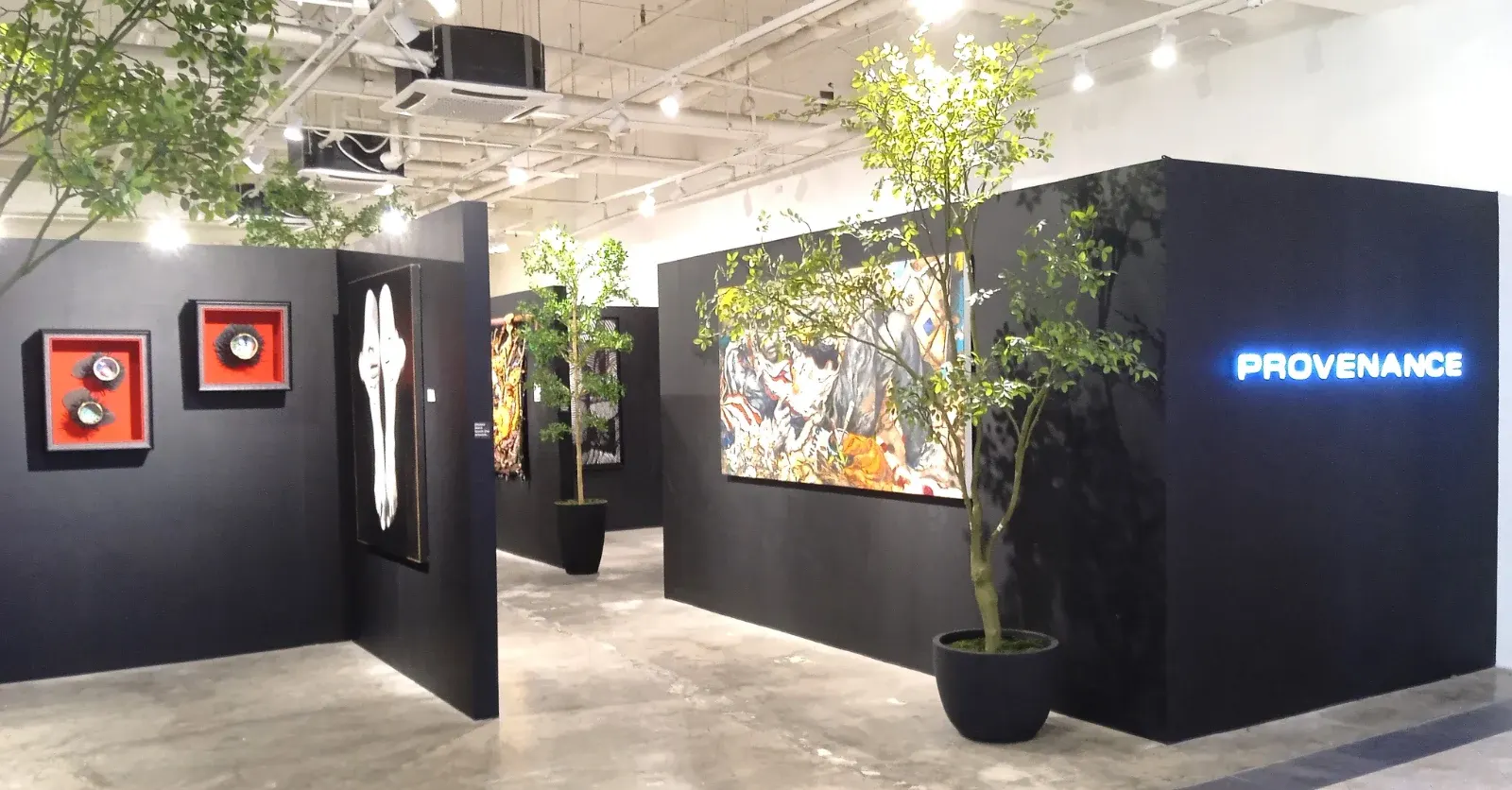
Time out to have moments for some art appreciation at one of Makati's poshest malls: Power Plant At Rockwell, thanks to Provenance Gallery.
 History
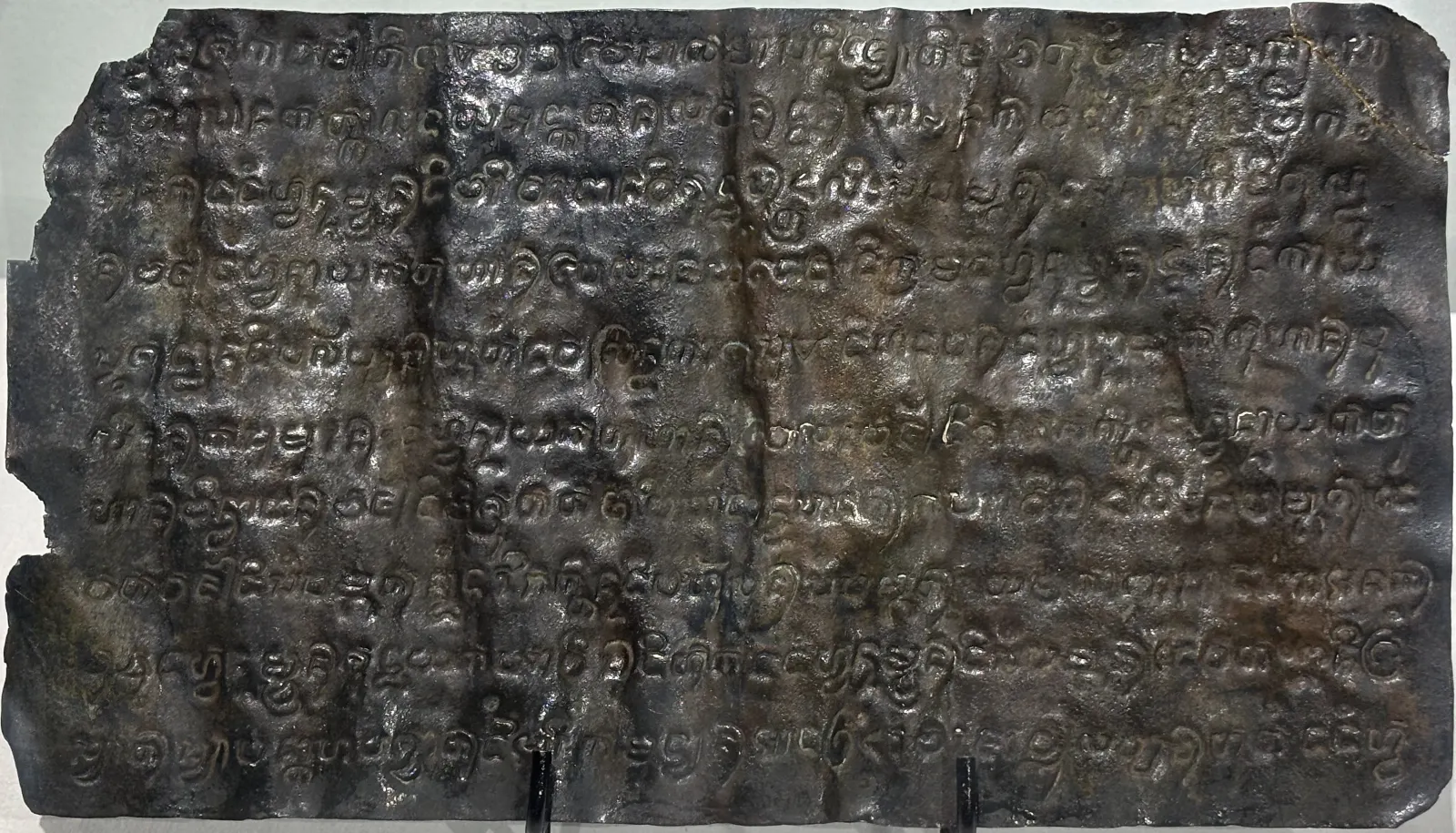
What the Laguna Copperplate Inscription tells us about life, power, and connection in tenth-century Luzon.
 Places
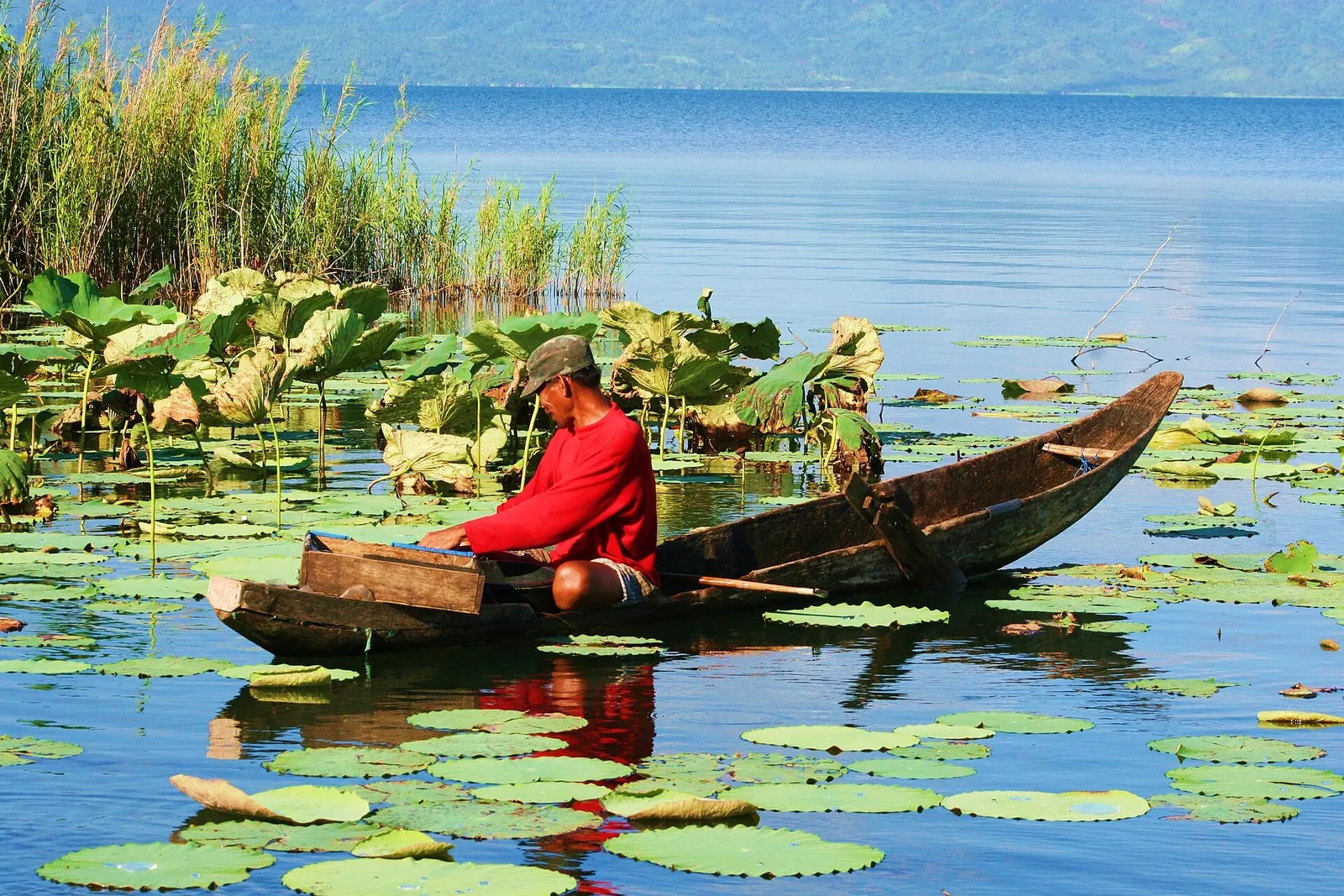
Butuan’s archaeological boats reveal a regional history of skilled construction and maritime exchange.
 Arts and Music
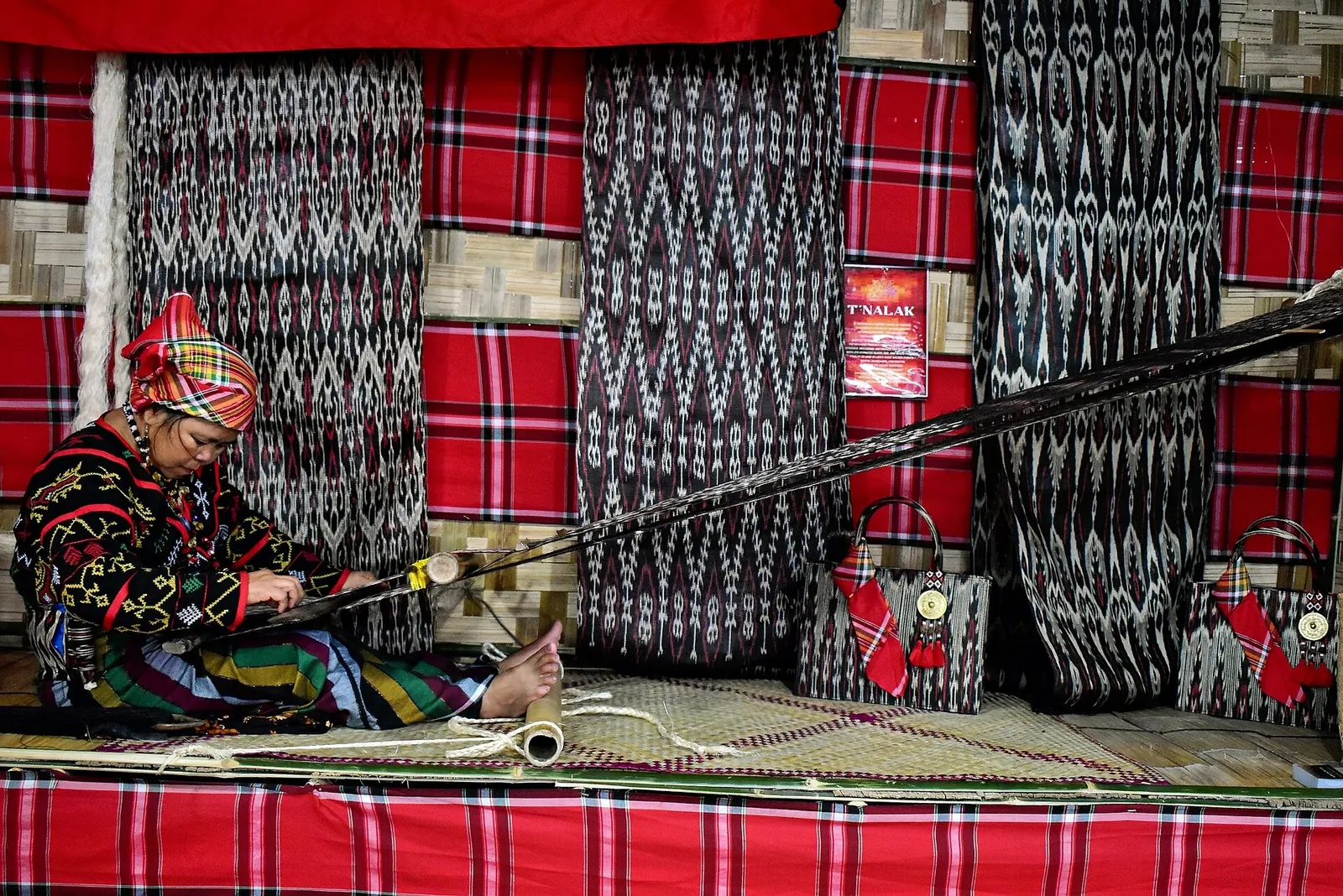
T’nalak weaving at Lake Sebu begins before the loom, with abaca fibers tied and dyed to establish the design.
 Food
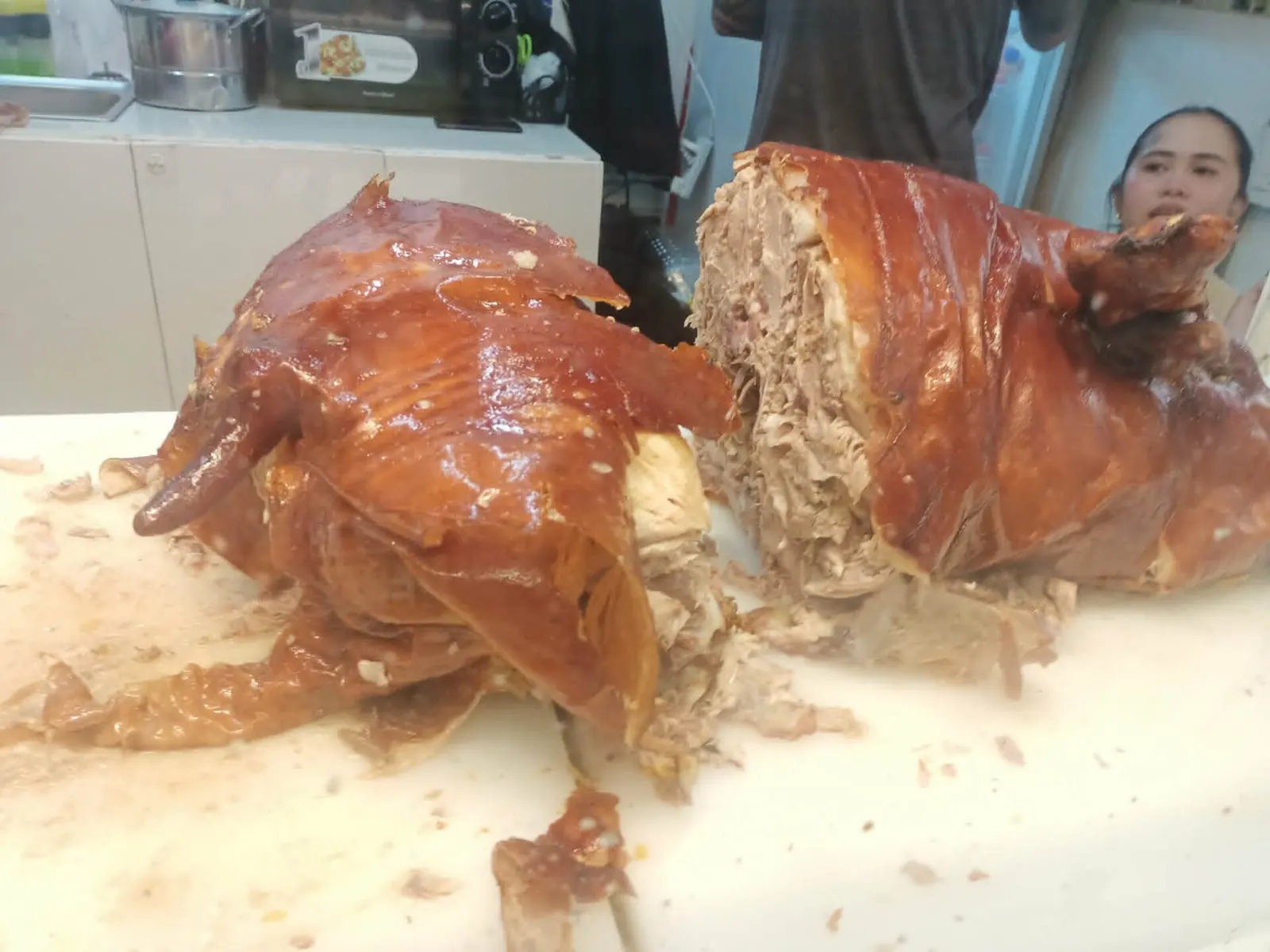
FoodCarcar’s lechon belongs to a wider food landscape of crisp pork, puffed-rice sweets and coconut confections.
 Culture
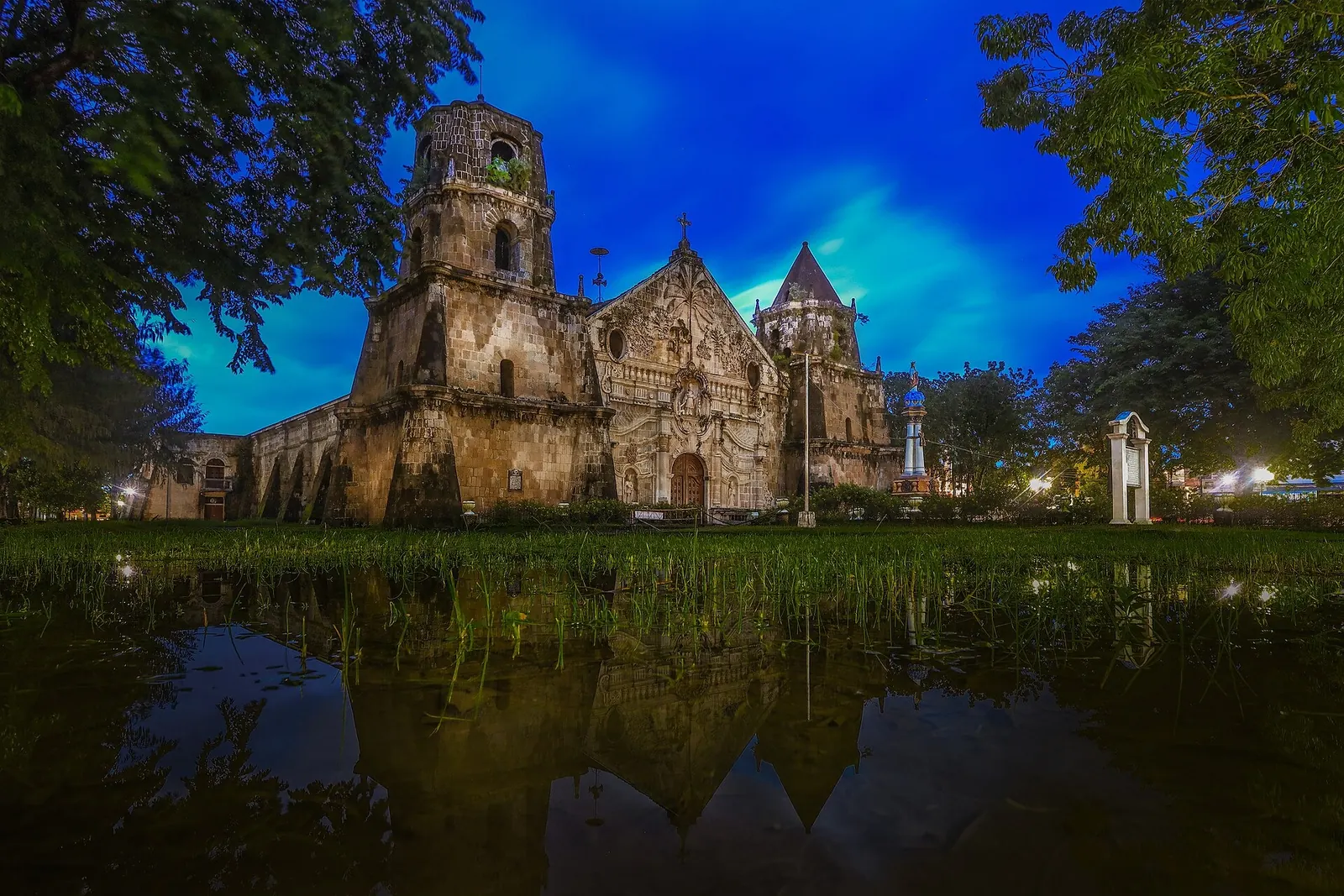
Iloilo’s food culture and Miagao’s church offer two different ways to understand how a place preserves its identity.
 Food
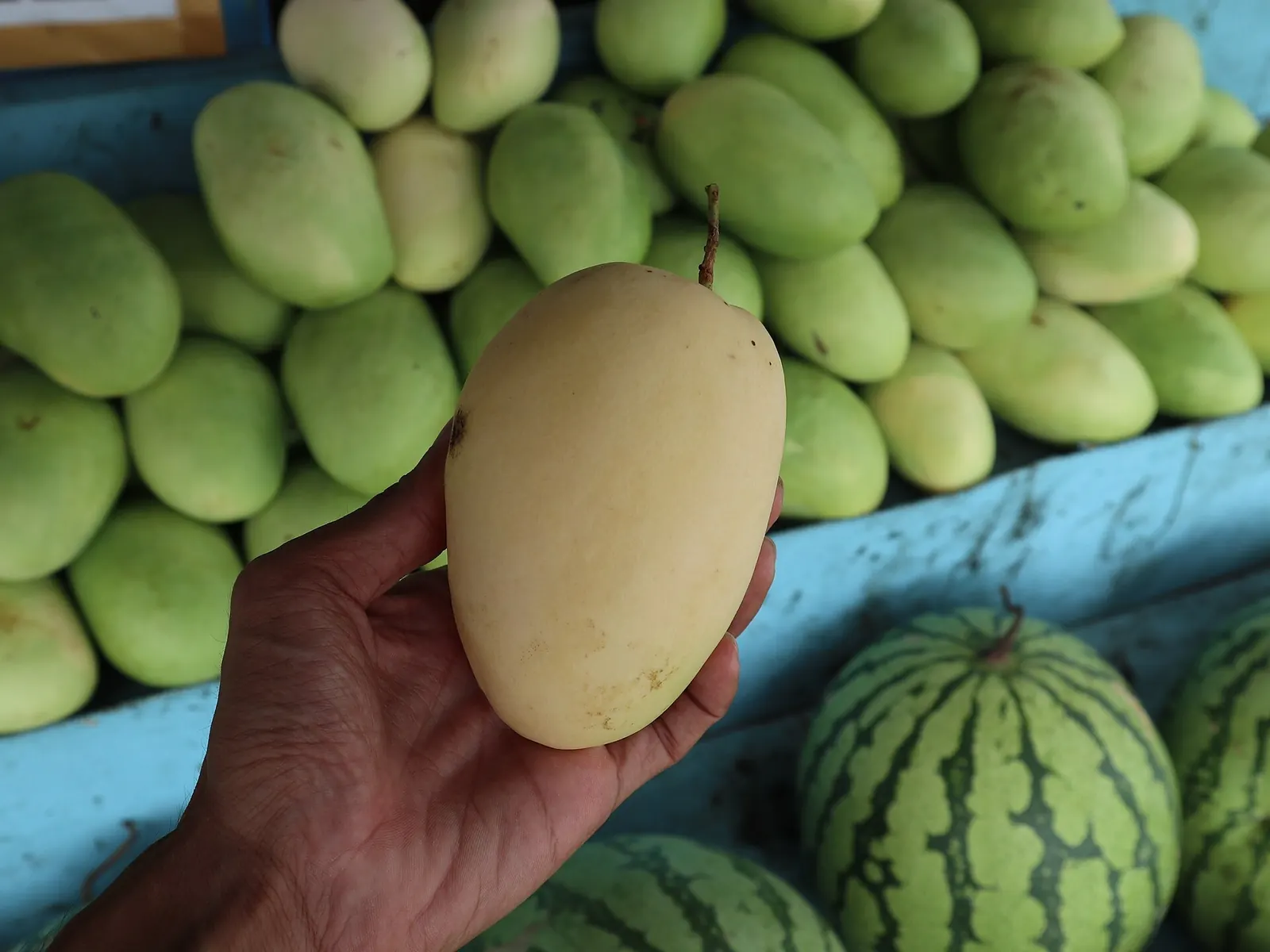
FoodThe geographical indication for Guimaras mangoes turns a familiar reputation into a more specific question of origin and product identity.
 Food
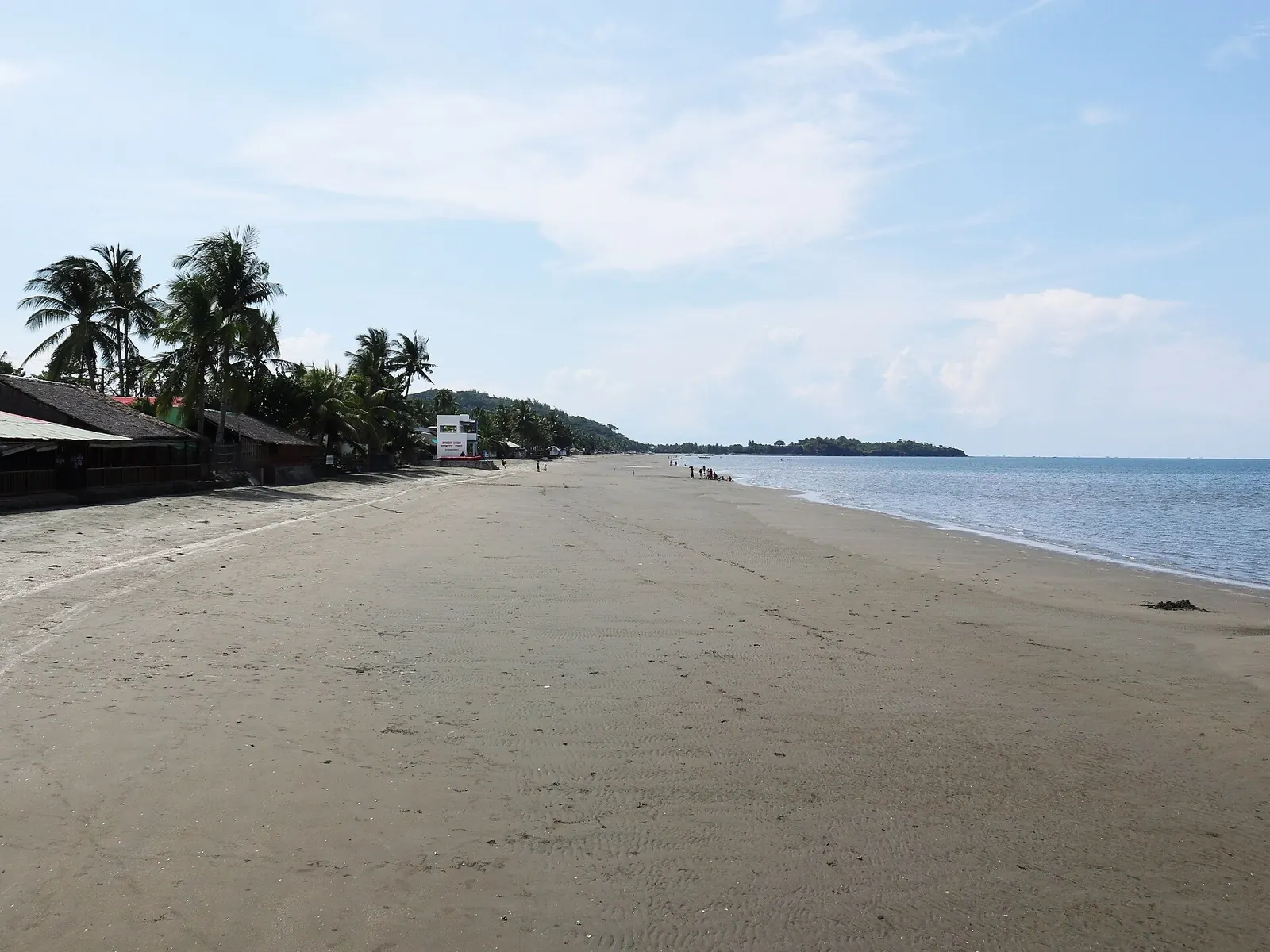
FoodOyster farming in Roxas City reveals the research and community work behind a province’s seafood reputation.
 Life
LifeThe patadyong weavers of Bugasong show how a slower visit can focus on skill, changing materials and the decisions behind a familiar cloth.
 Culture
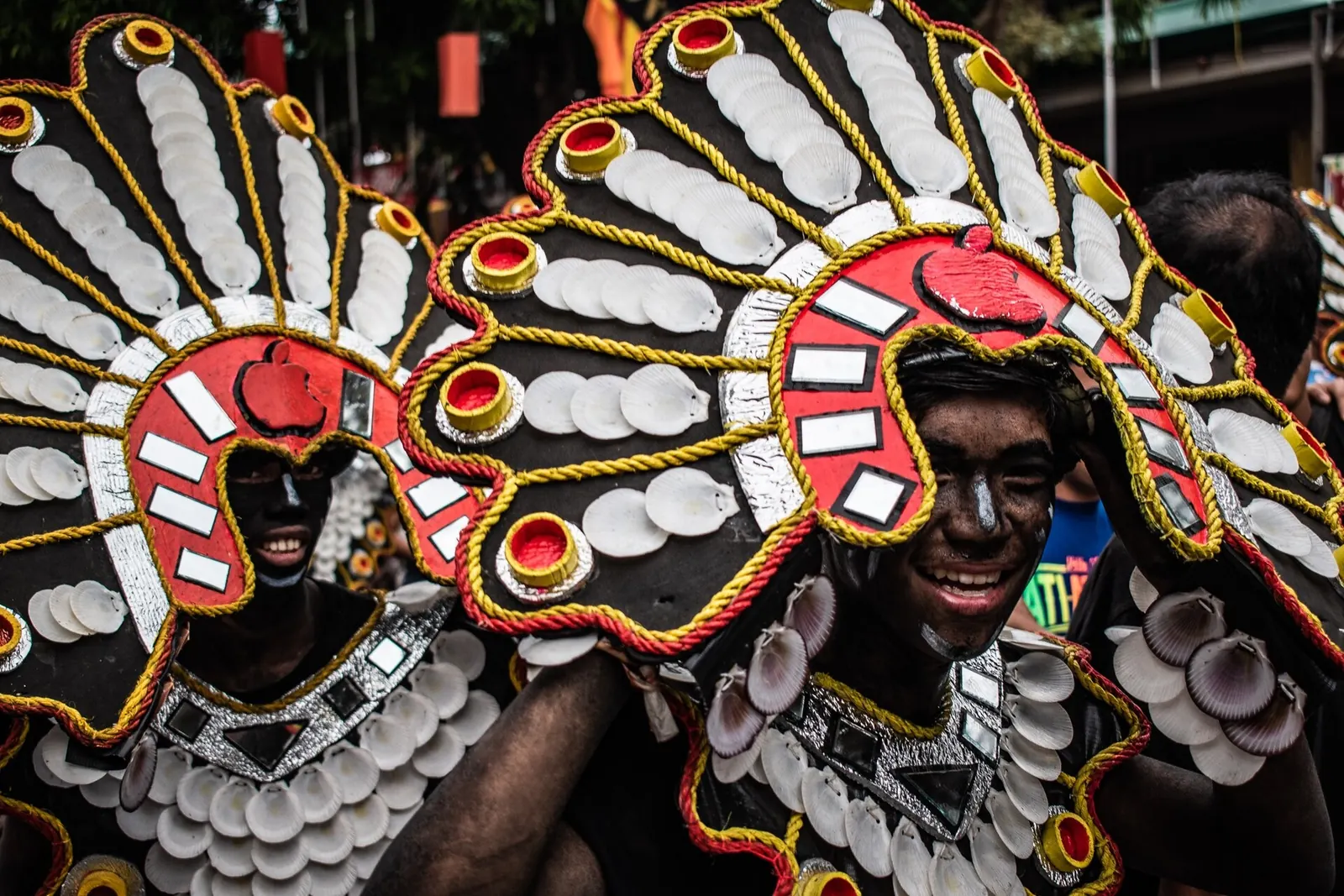
Piña weaving offers another way to know Aklan: through the patient transformation of pineapple leaves into cloth.
 Places
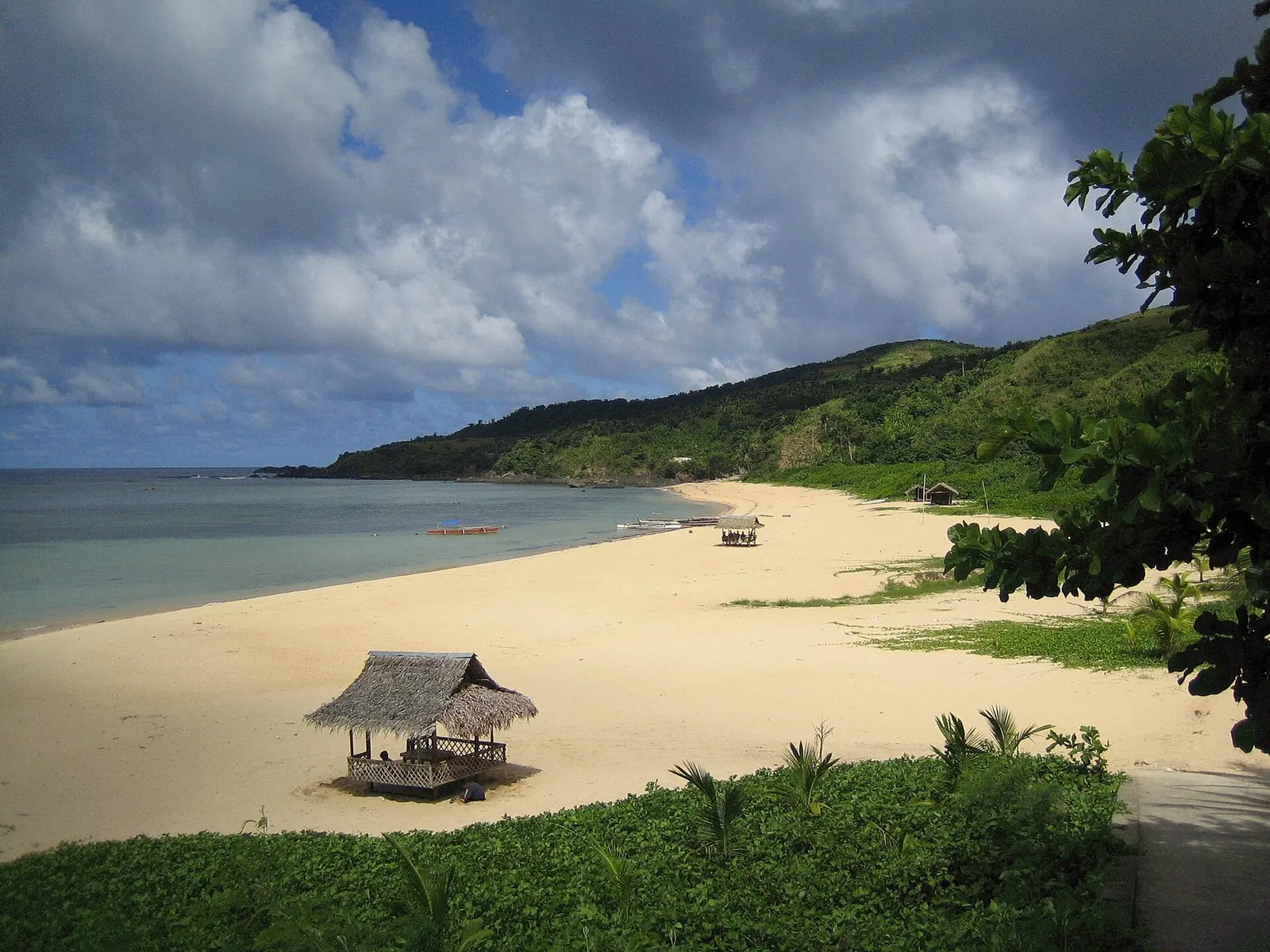
A small bronze bell and a group of islands offer an alternative introduction to a province often described only through cattle and coastlines.
 Places
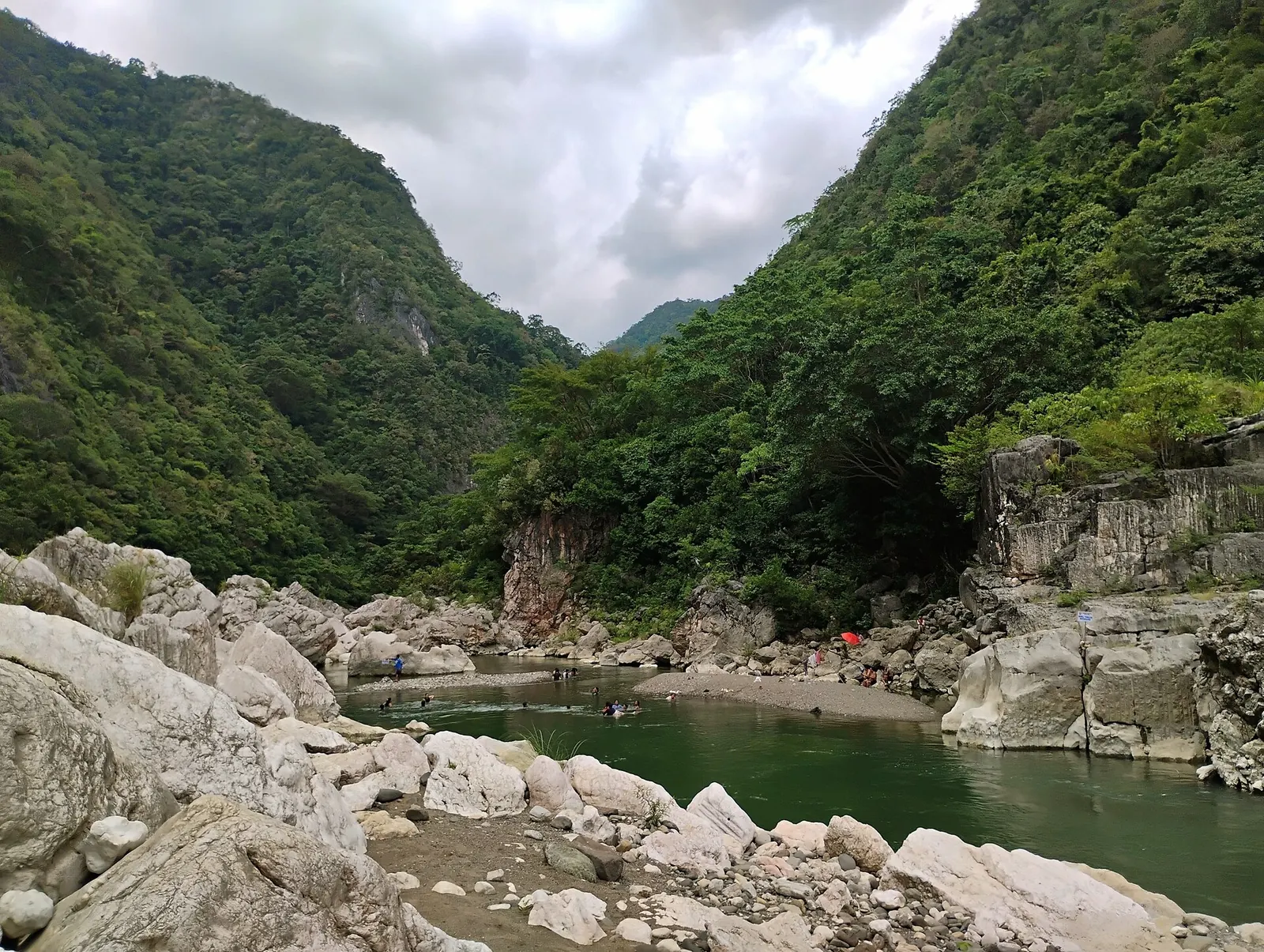
Behind Catanduanes’s coastal identity is an agricultural material connecting farmers with Philippine textiles and international trade.
 Arts and Music
The Angono–Binangonan petroglyphs connect an ancient marked landscape with the modern artist who brought it to museum attention.
 Culture
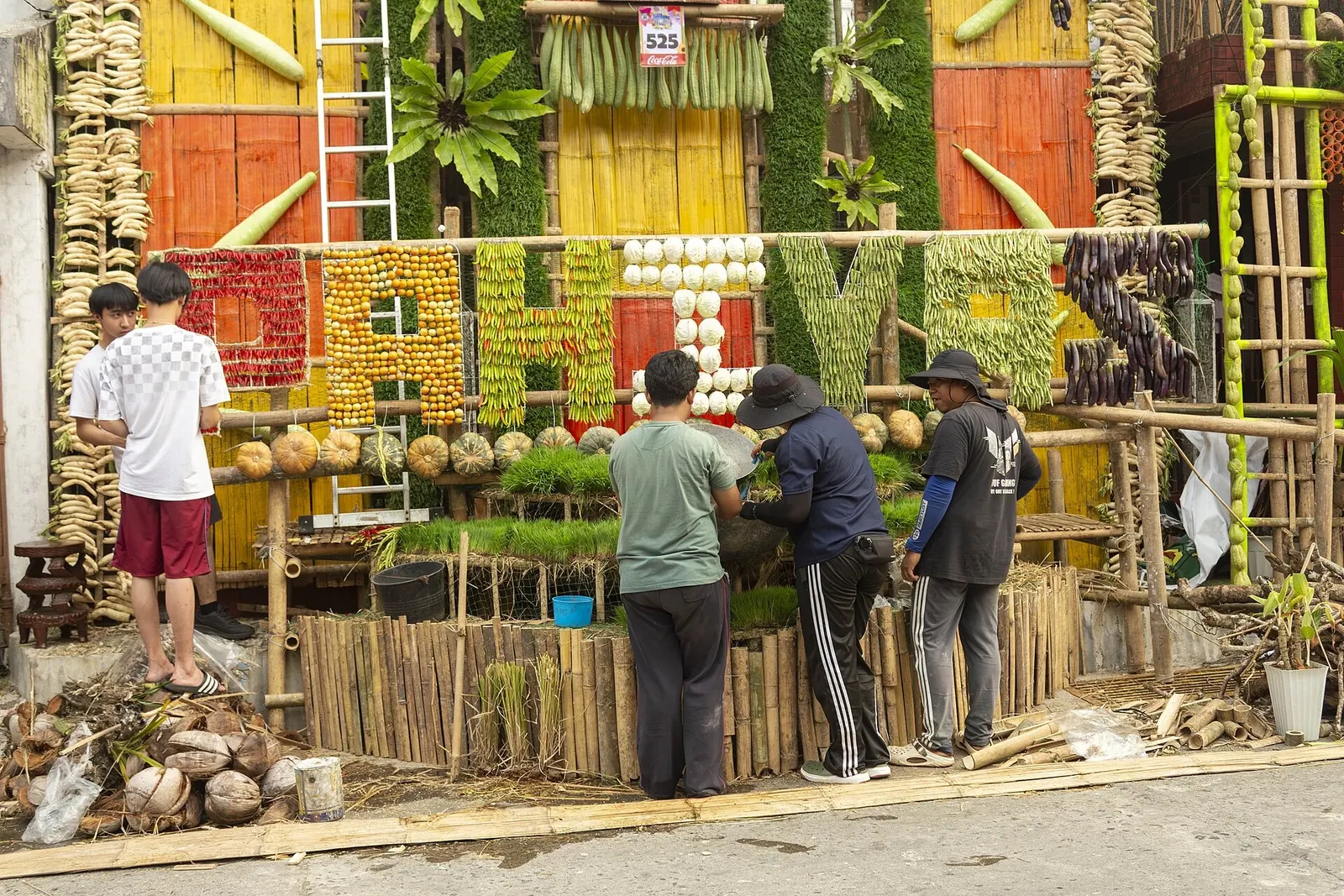
At Lucban’s Pahiyas, rice wafers and decorated houses express a harvest thanksgiving with a particular religious and local setting.
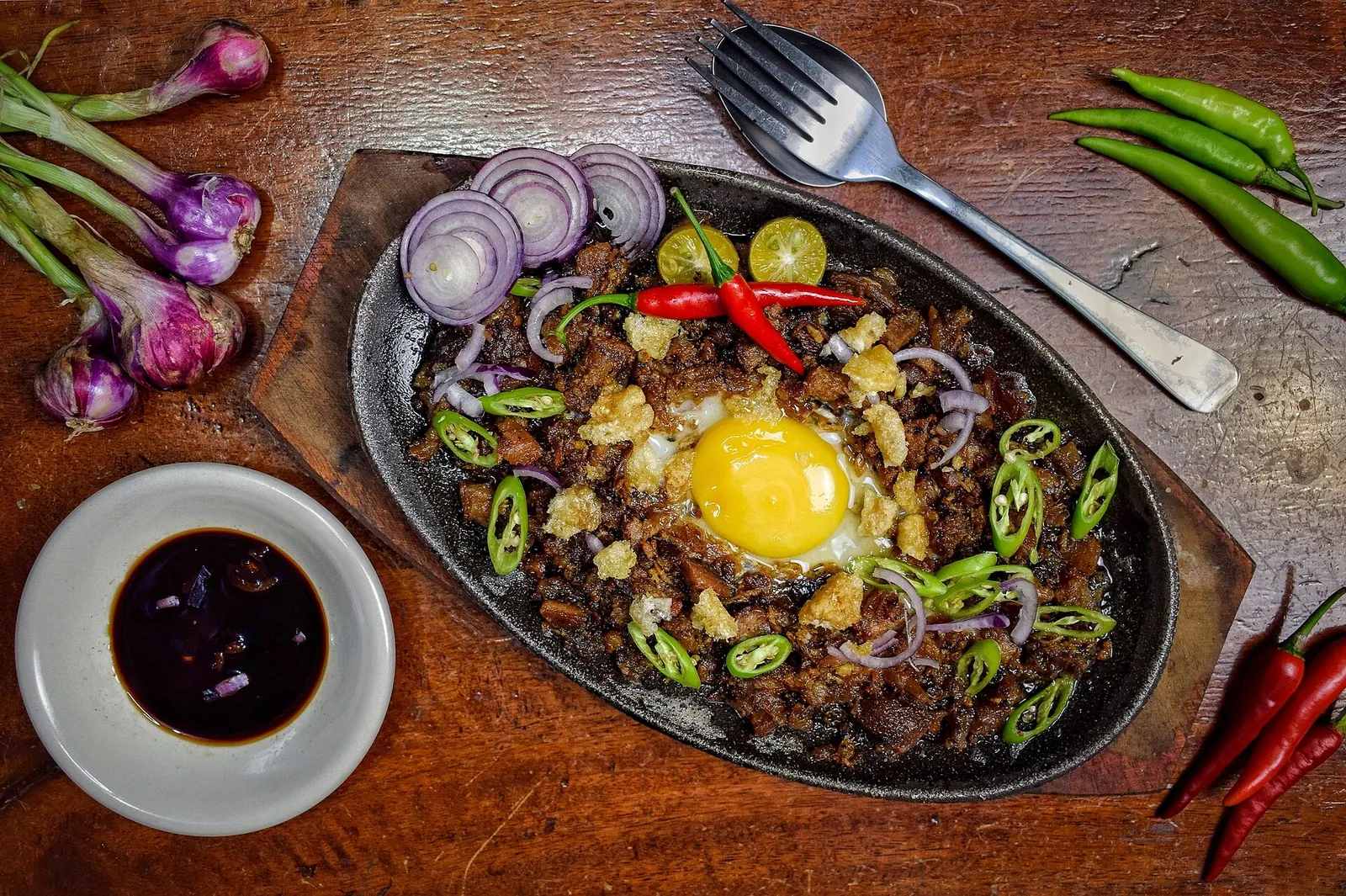 Food
FoodSisig offers a starting point for exploring Kapampangan cooking, provided one famous dish is allowed to open a wider conversation.
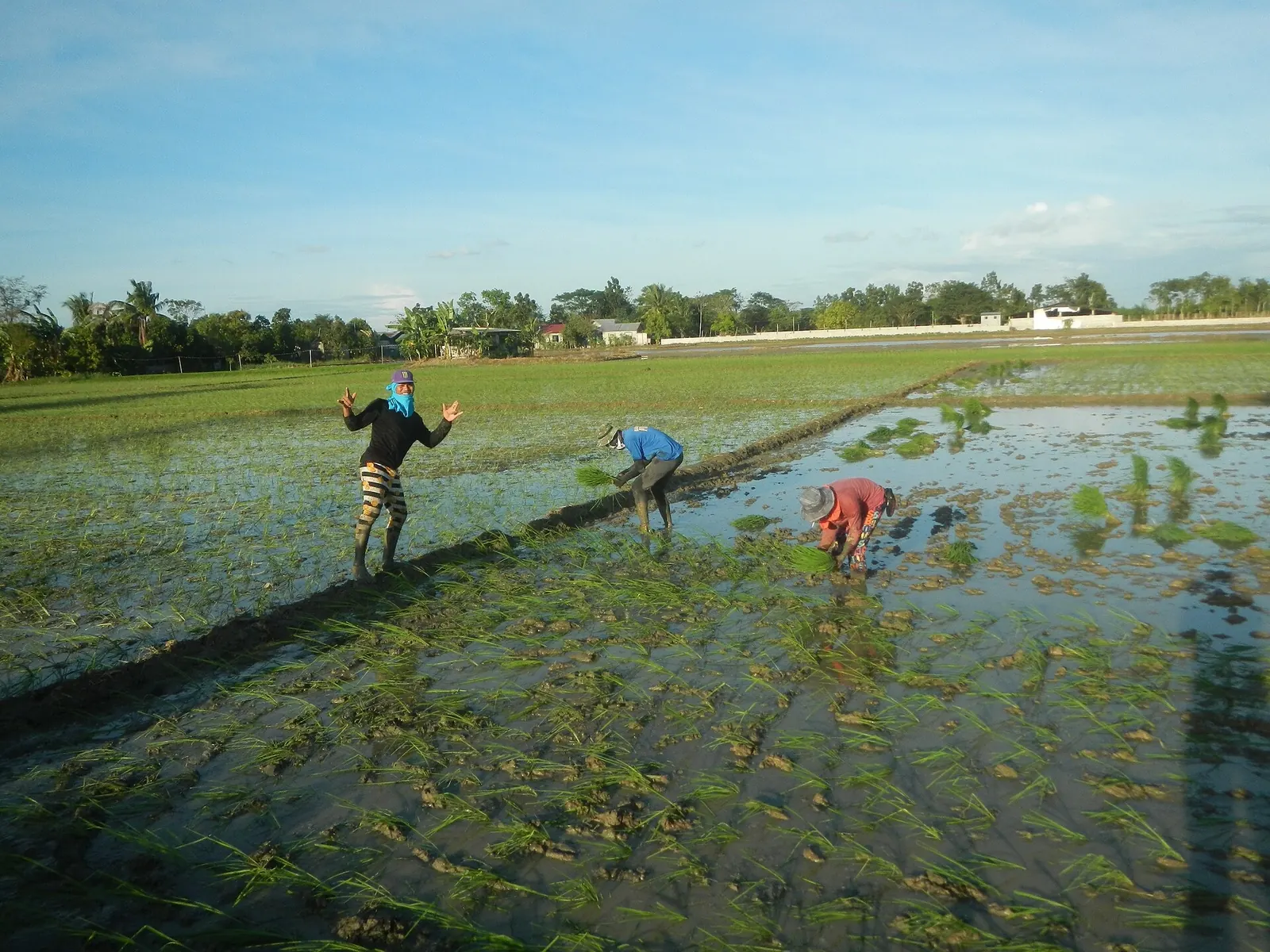 Life
LifeIn the Science City of Muñoz, rice and dairy institutions offer a way to understand farming beyond the view of a field.
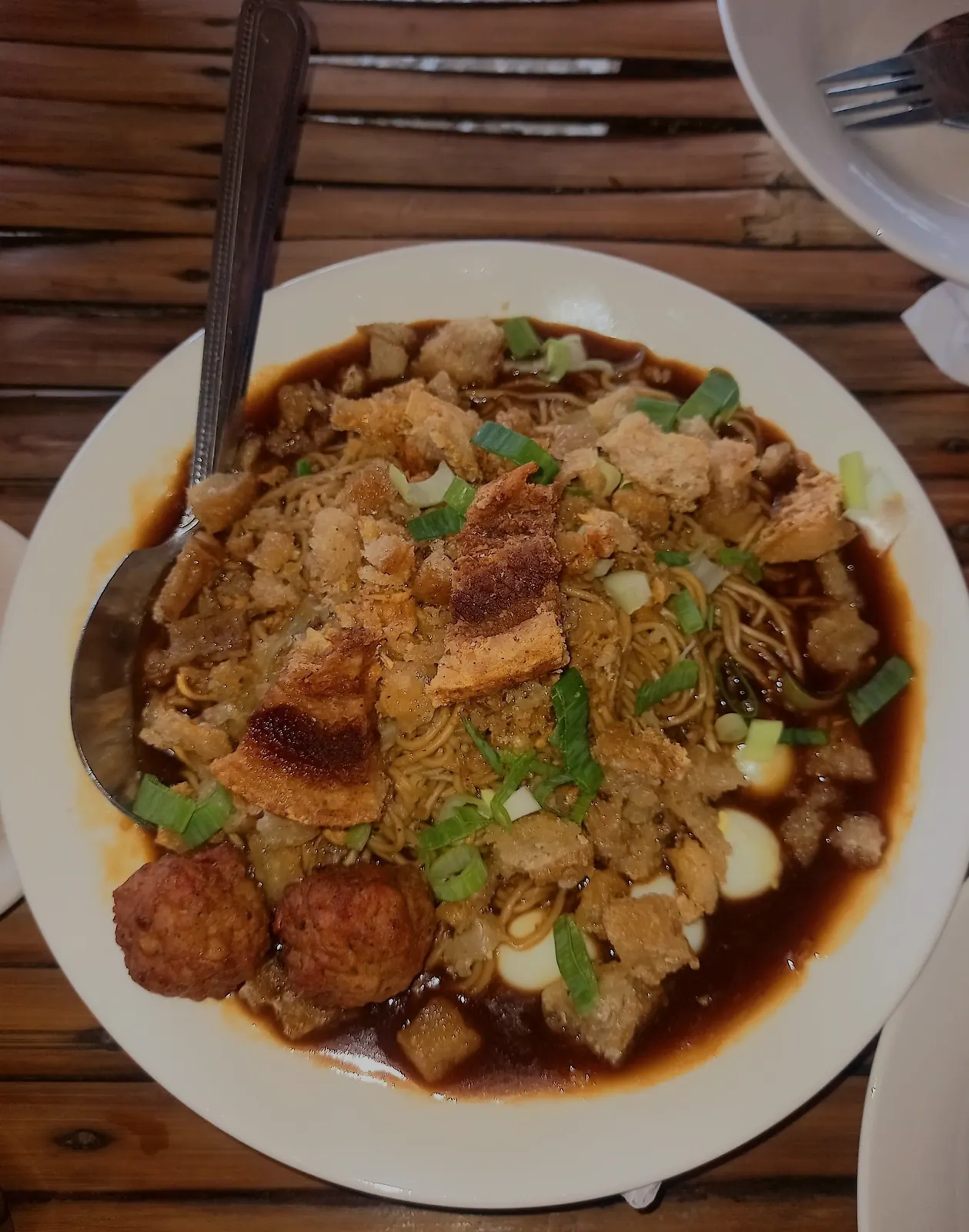 Food
FoodPancit Cabagan and banana-leaf-wrapped rice delicacies offer a useful introduction to Isabela’s food traditions.
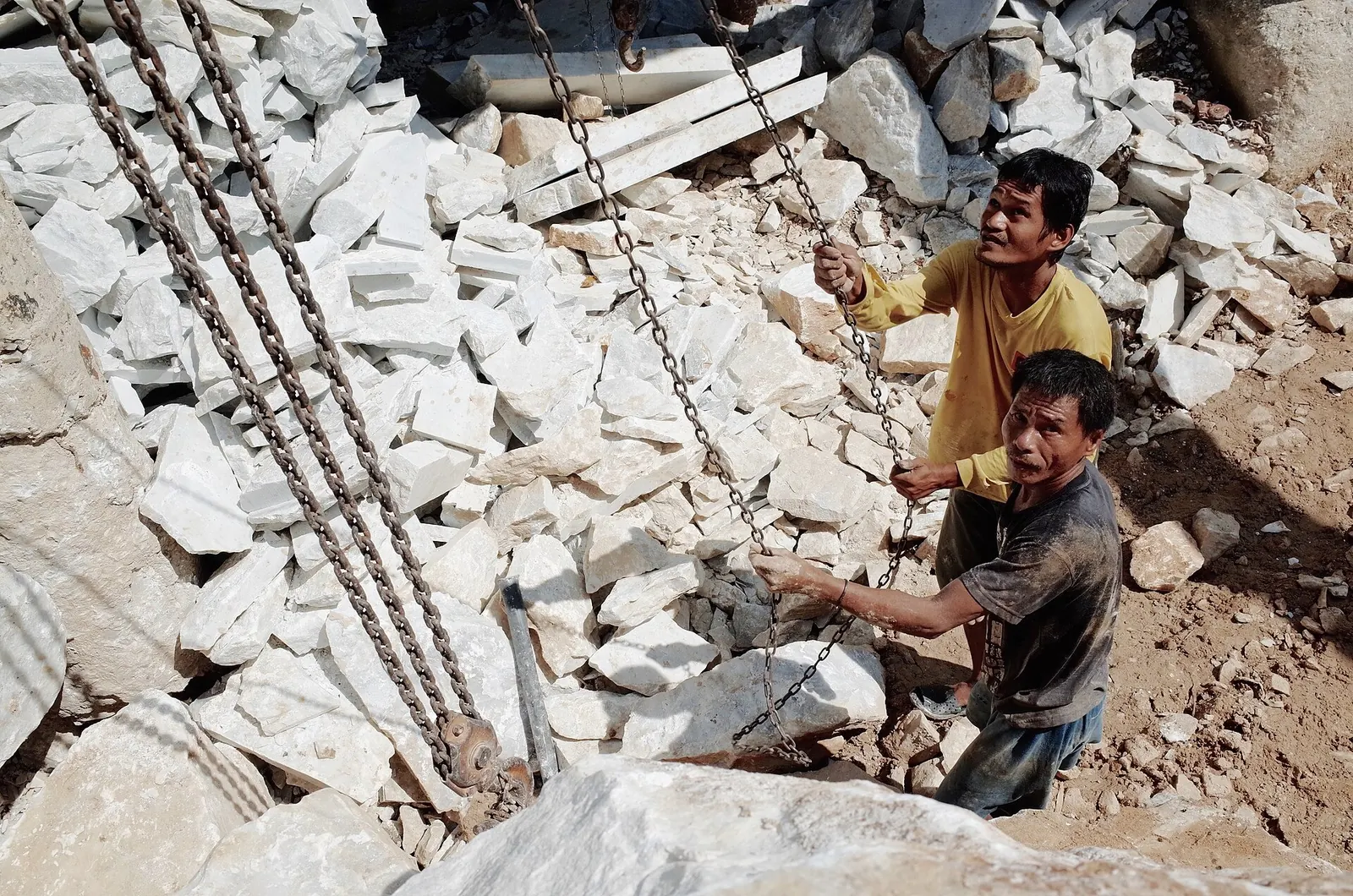 Arts and Music
Romblon’s signature stone belongs to geology, sculpture and an industry deciding how its craft will continue.
 Culture
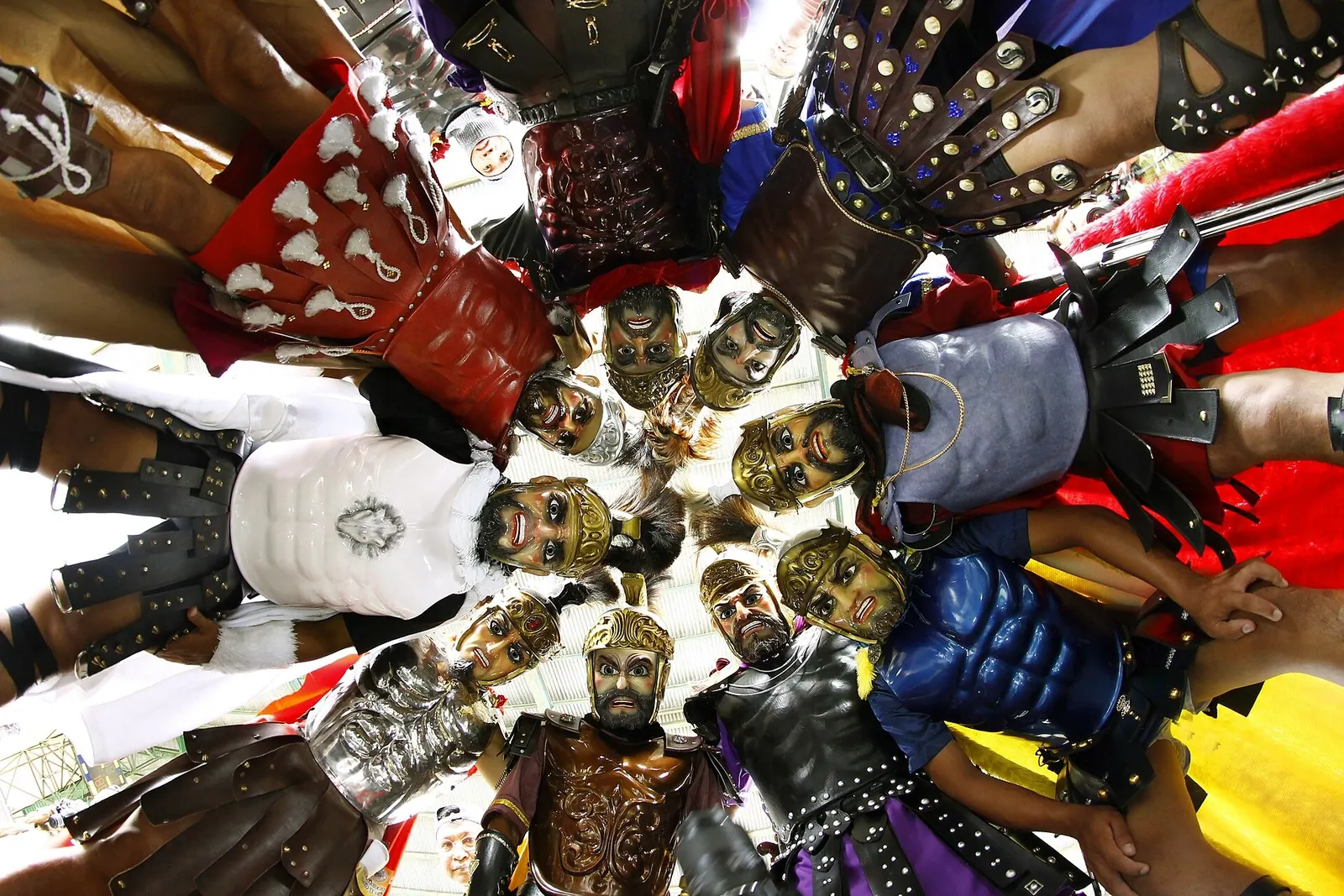
A closer look at Moryonan and the island’s shipwreck collections reveals two very different ways of remembering the past.
 Arts and Music
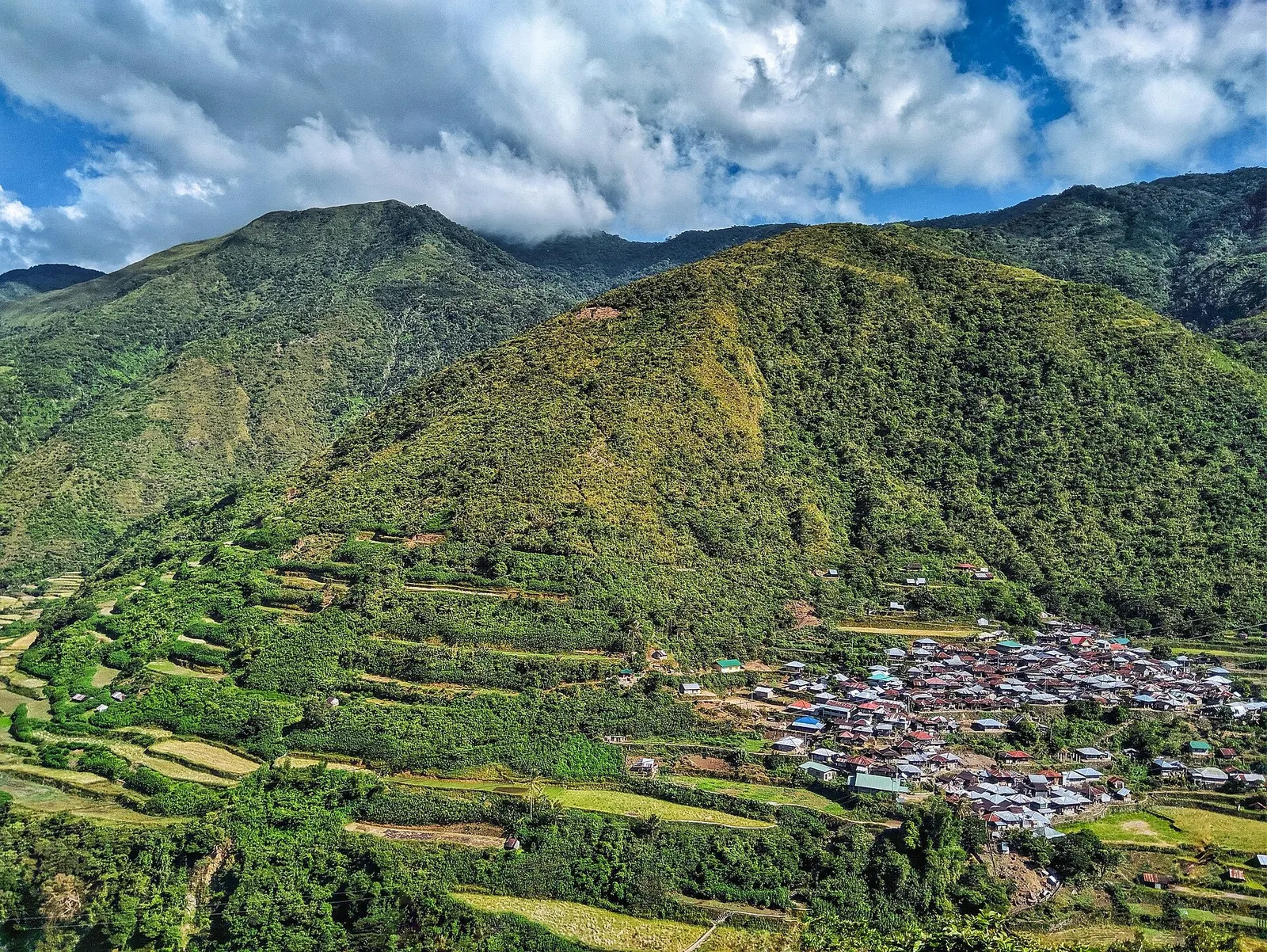
Batok is easier to appreciate when its techniques are understood alongside the particular communities and histories that give the marks meaning.
 Culture
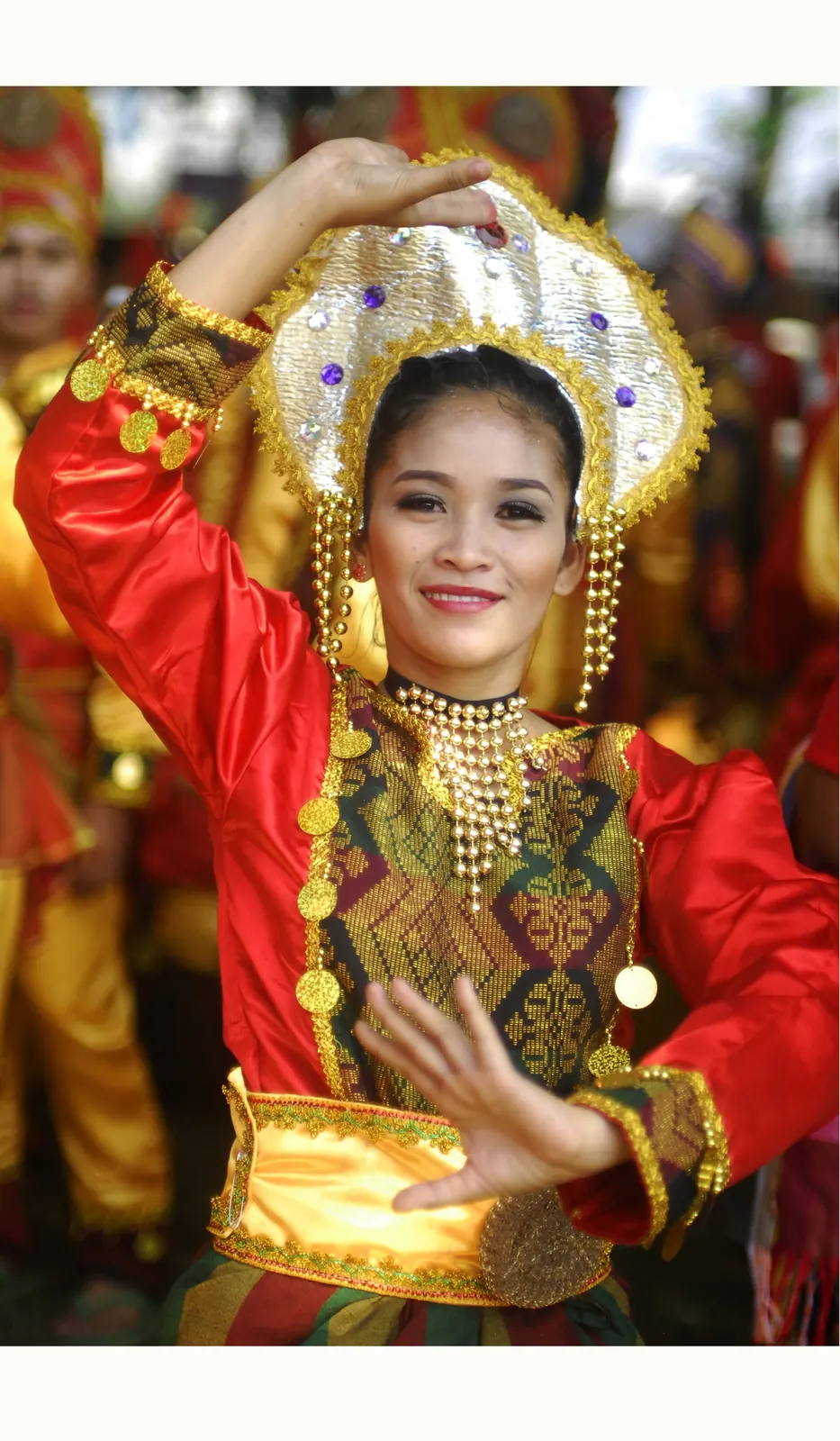
A pink mosque and the woven fabric called inaul reveal distinct parts of a cultural landscape that now spans two provinces.
 Culture
Torogan architecture and the Darangen epic offer two ways to understand the communities around Lake Lanao: through buildings and through the spoken word.
Allow Google Analytics cookies to measure visits and reading activity? This is optional and separate from advertising. You can change your choice anytime. Privacy details