
Agusan del Norte: Following the Water
Butuan’s archaeological boats reveal a regional history of skilled construction and maritime exchange.
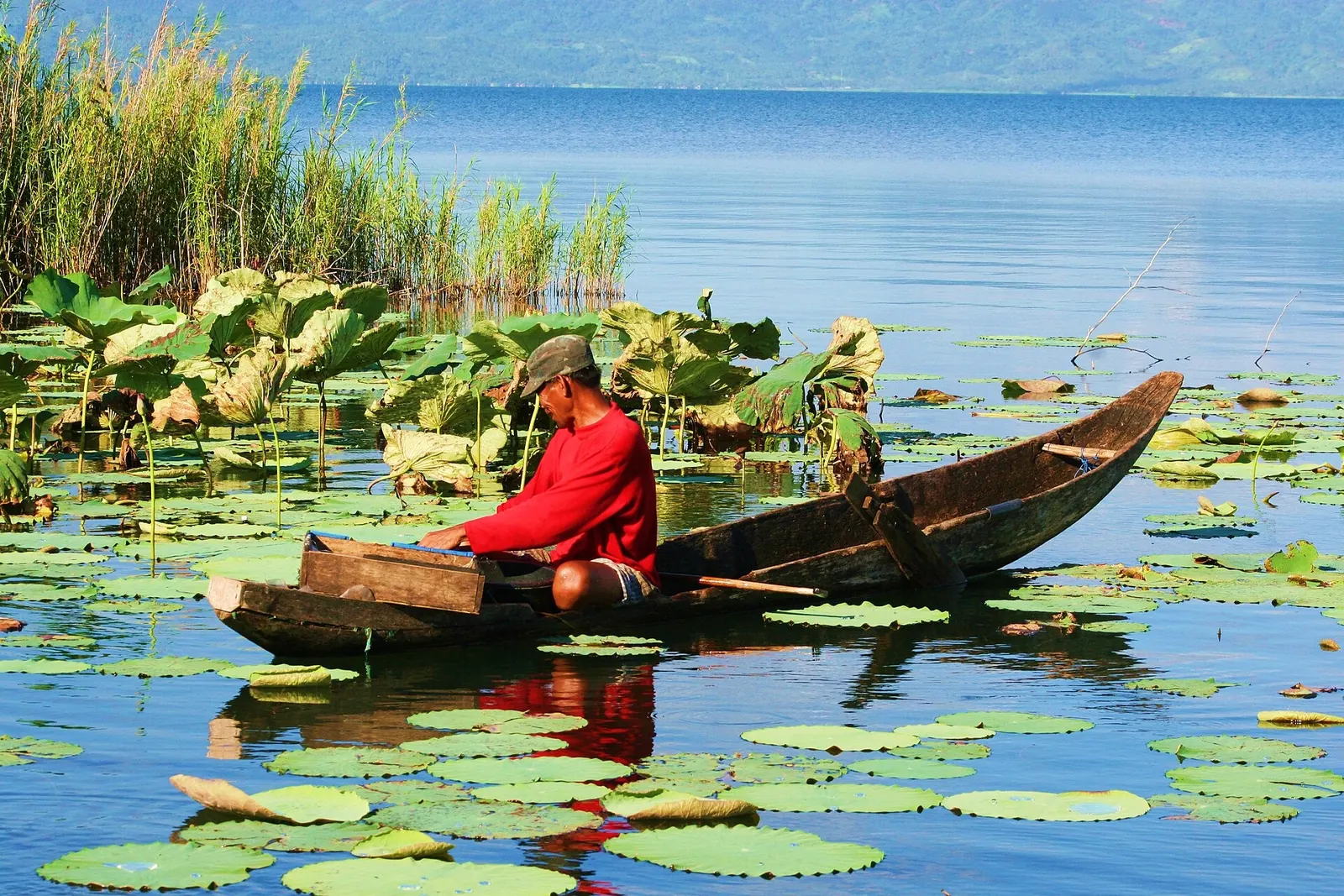
The lower Agusan area is an important starting point for understanding Philippine maritime history. In Butuan, archaeological boat remains show that sophisticated wooden vessels were being built long before Spanish colonization.
National Museum accounts place the studied Butuan boats broadly between the late eighth and early tenth centuries CE. This dating is more useful than repeating an undifferentiated age for every boat discovered at the sites.
How the boats were put together
The museum describes the craft as plank-built boats using a lashed-lug construction tradition. Their significance lies in the building method as well as their age.
Research connects them with techniques found elsewhere in Southeast Asia. This supports a picture of maritime relationships across the region rather than an isolated community separated from its neighbors by water.
The National Museum’s account of 2022 fieldwork adds another detail: sugar-palm fiber, locally associated with kaong, was investigated as a material used for ropes in this boatbuilding tradition. Researchers assessed collections and excavation sites and gathered information about local building practices.
An archaeological vessel is therefore more than an outline reconstructed for display. Wood, fiber, fastenings and the setting in which remains were found all contribute evidence.
Trade leaves more than boats
The museum’s heritage-program material also discusses imported ceramics found in Butuan, including Chinese wares dating from the tenth to fifteenth centuries. Boats and ceramics provide different kinds of evidence for movement, exchange and contact.
They should not be collapsed into a claim that every object arrived on one particular vessel. Their value comes from studying where and when each was found.
A visit to Butuan’s museum collections can provide context for travel in the surrounding Agusan del Norte area. Confirm current gallery and site access before setting out, and distinguish excavated remains from modern replicas.
The regional story is strongest when water is understood as a route connecting people. The Butuan evidence allows visitors to see technical skill, material choices and exchange networks behind the broad idea of an ancient trading community.
Research note: This regional guide was expanded with AI assistance and checked against the sources below. It is source-based writing, not a claim of first-hand reporting. Confirm current access arrangements before traveling.
Sources
National Museum: maritime relations and the dating of the Butuan boats
National Museum: 2022 Butuan conservation and boatbuilding fieldwork
National Museum: Butuan ceramics and maritime-heritage interpretation

Join the conversation
Sign in to comment