 History
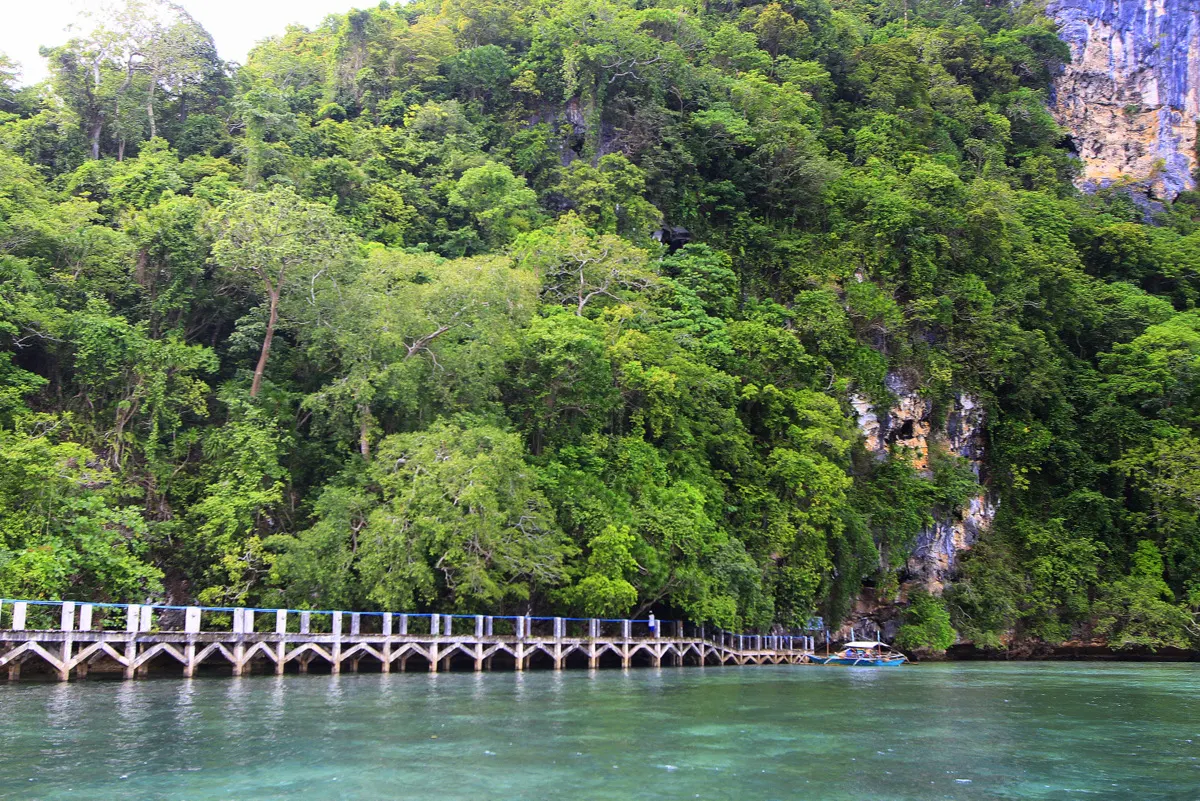
Tabon Cave: Reading the Philippines’ Deep Past in Stone, Bone and Clay
In southern Palawan, Tabon’s discoveries reveal skilled hands and long human histories. The evidence is richer than a single story of “the first Filipino.”
Explore Philippine history and the wider region through stories of heritage, historic places and the people and events that shaped life today.
HistoryIn southern Palawan, Tabon’s discoveries reveal skilled hands and long human histories. The evidence is richer than a single story of “the first Filipino.”
 History
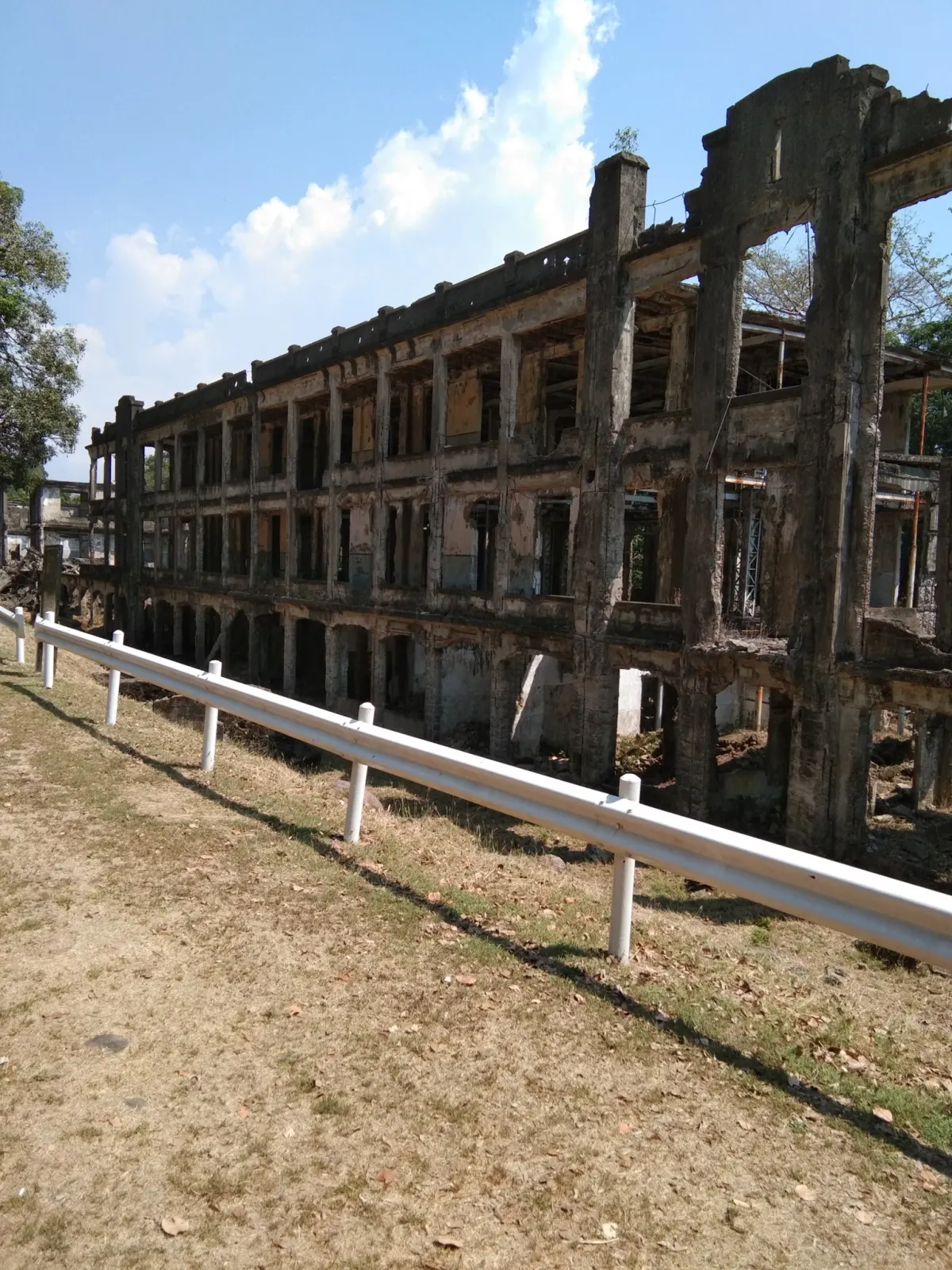
Beyond Corregidor’s guns and ruined barracks lies a human history of nurses, prisoners and return—and a reason to visit with care.
 History
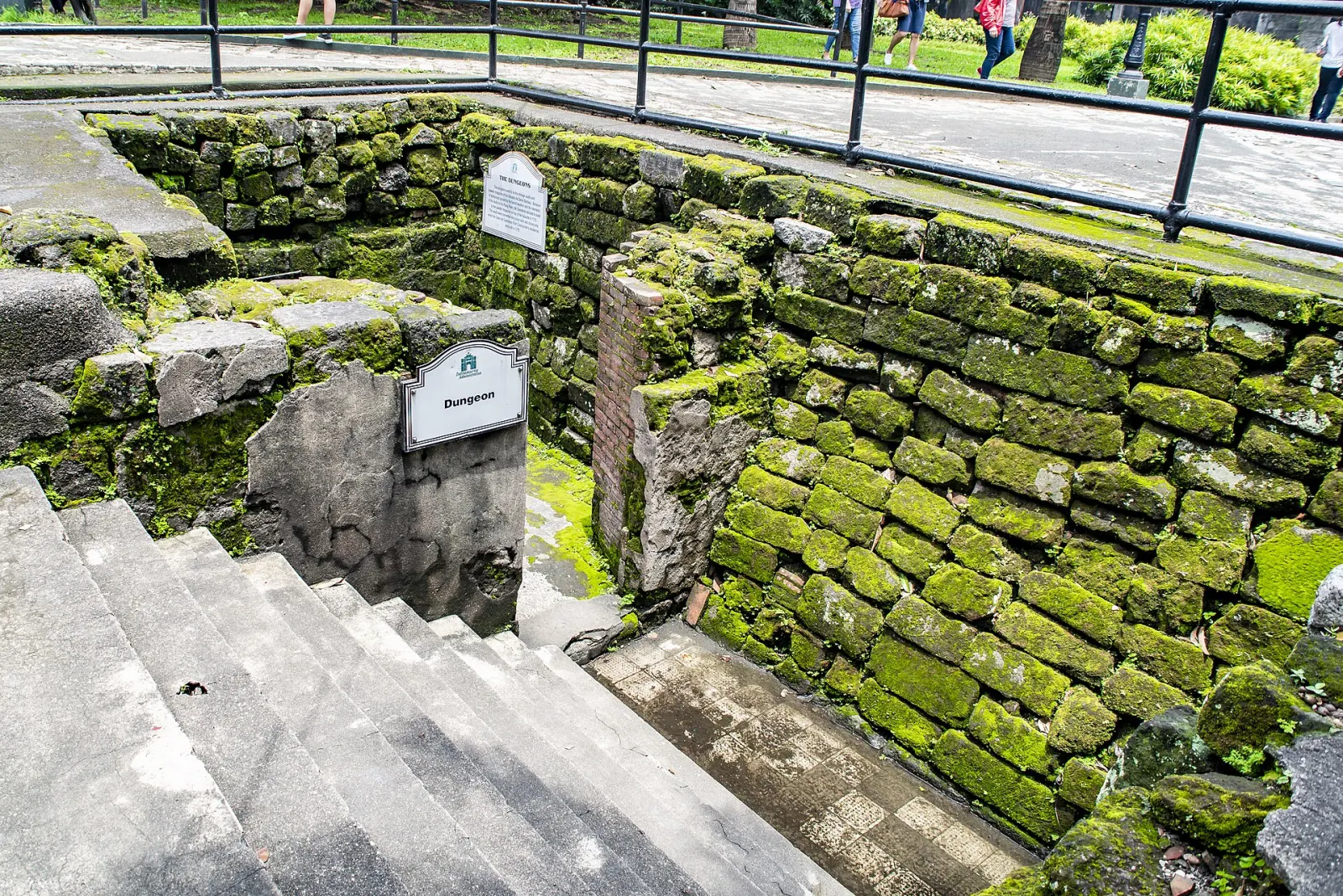
Behind Fort Santiago’s eerie reputation is a documented history of wartime imprisonment. Here is how to understand—and respectfully visit—the dungeons.
 History
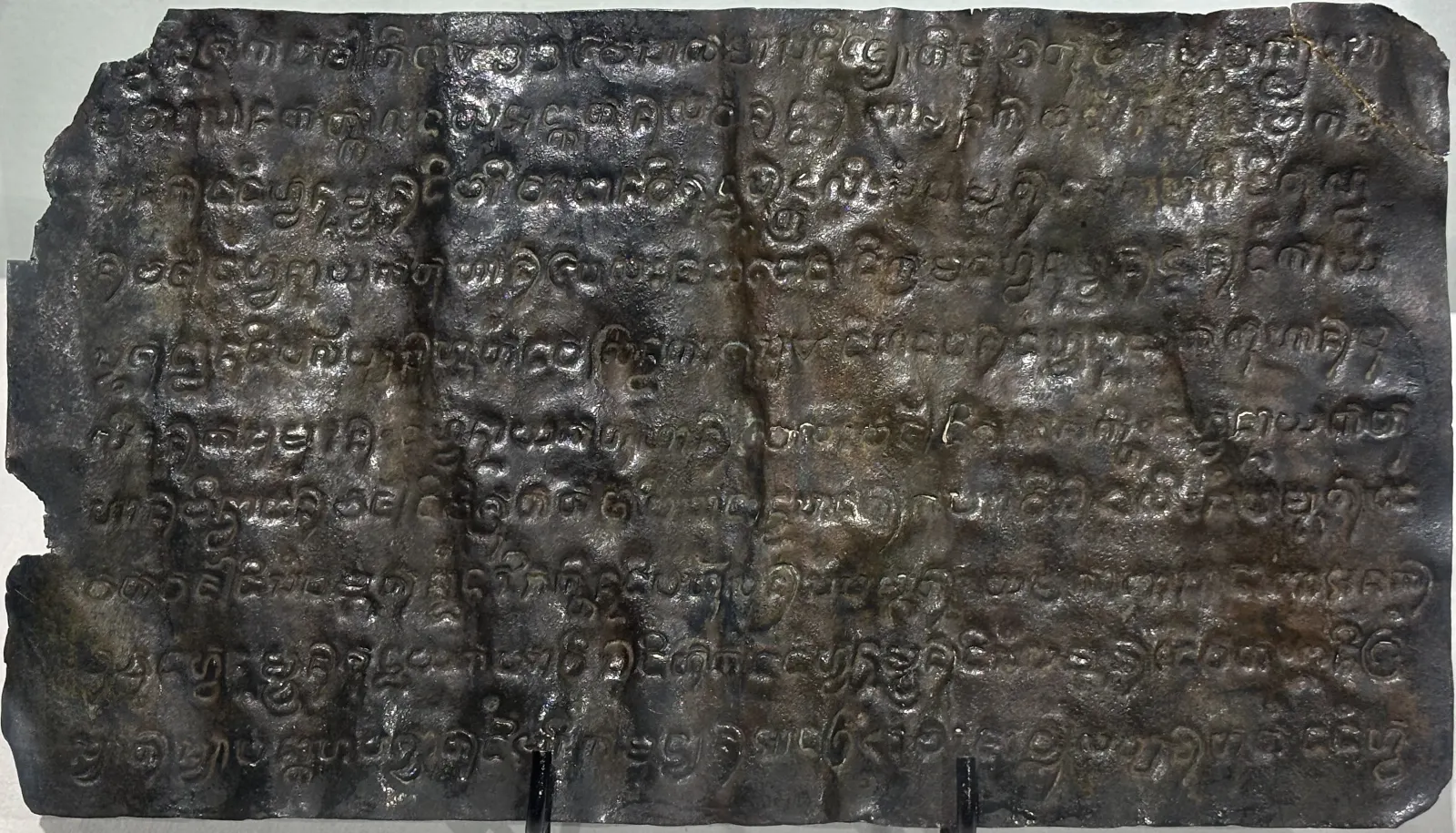
What the Laguna Copperplate Inscription tells us about life, power, and connection in tenth-century Luzon.
 History
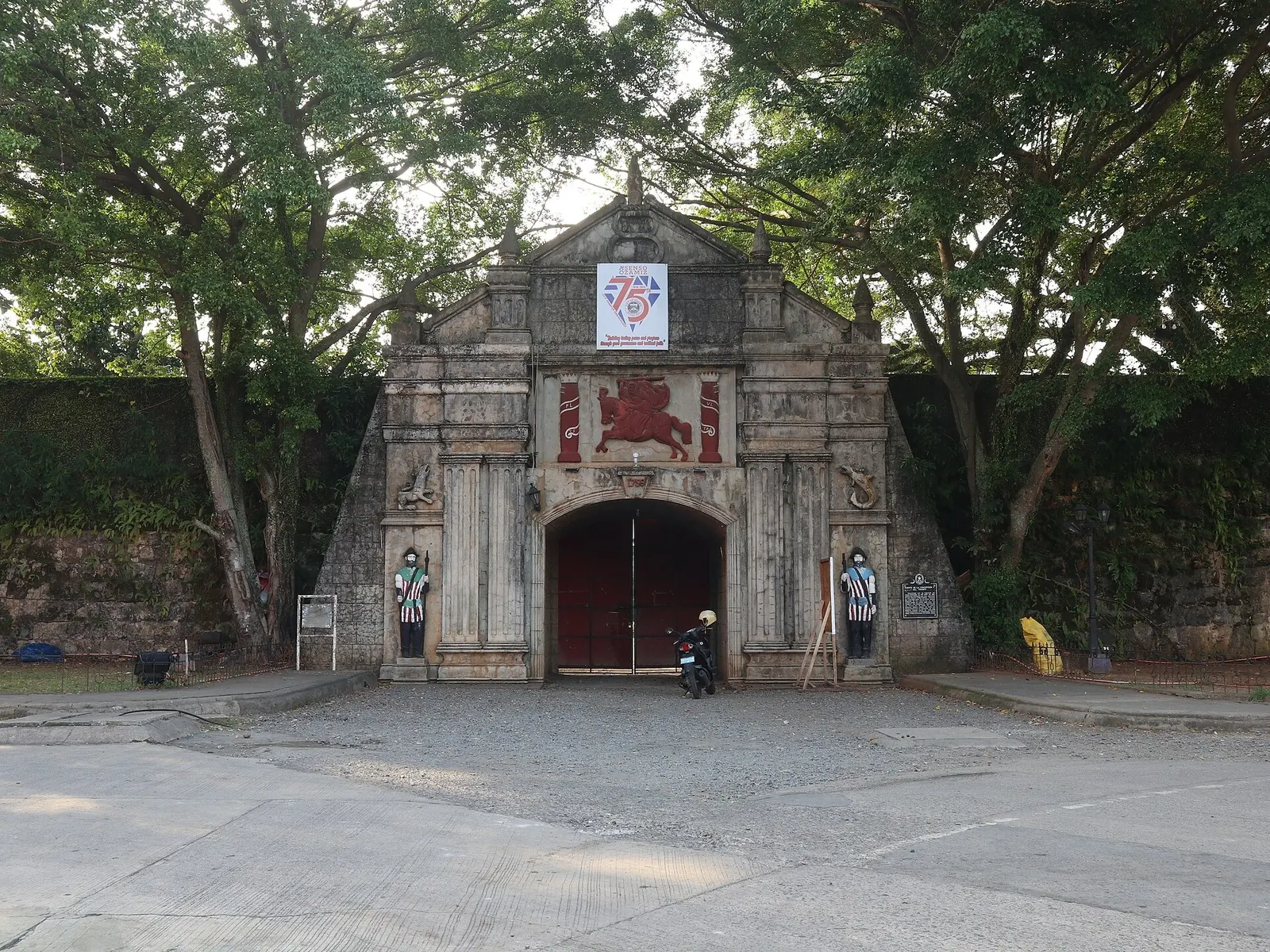
Ozamiz’s Cotta combines a defensive structure, a history of repair and a place of continuing devotion.
 History
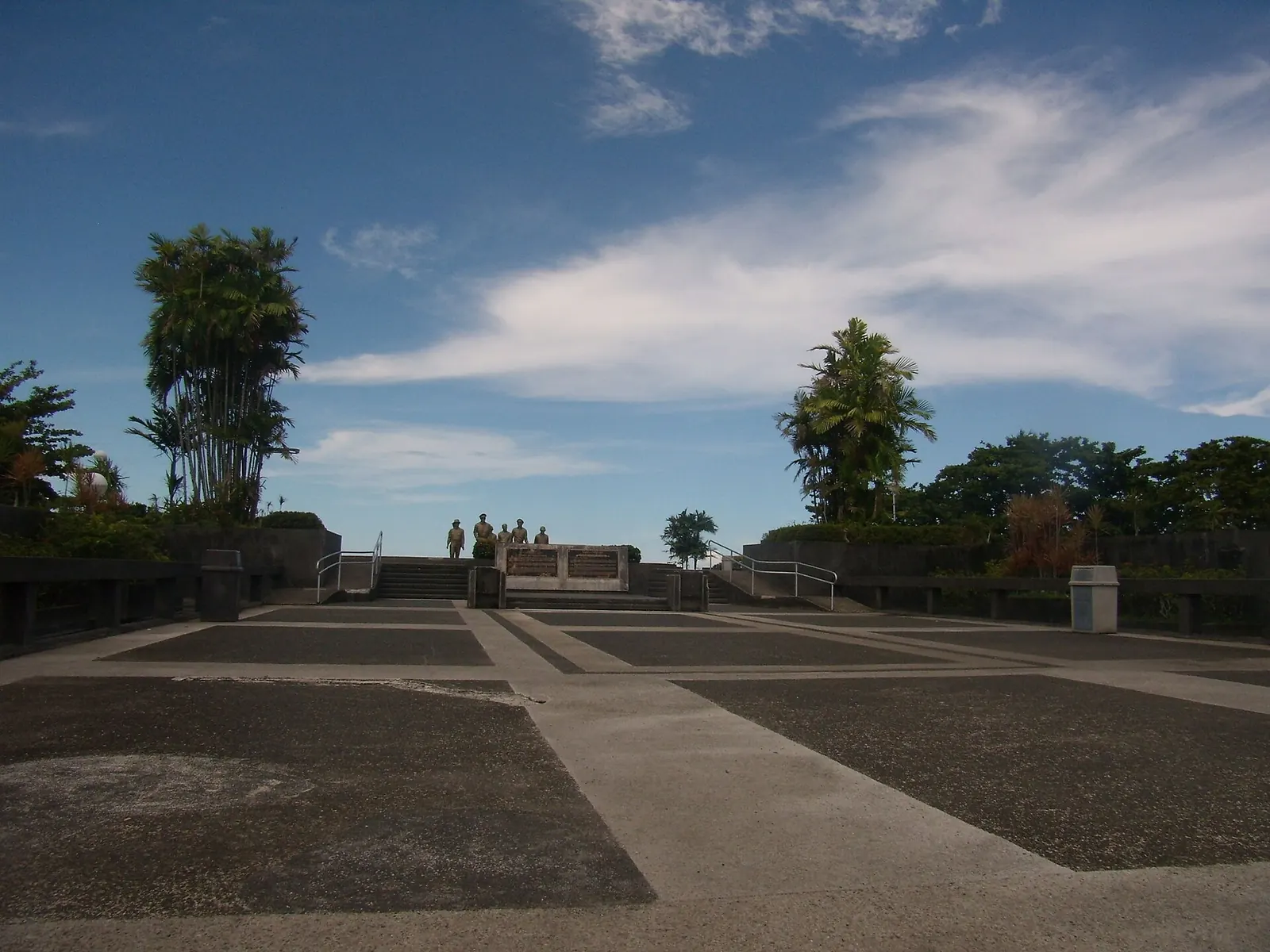
The landing at Palo, naval battles offshore and a temporary government headquarters tell related but distinct stories of October 1944.
 History
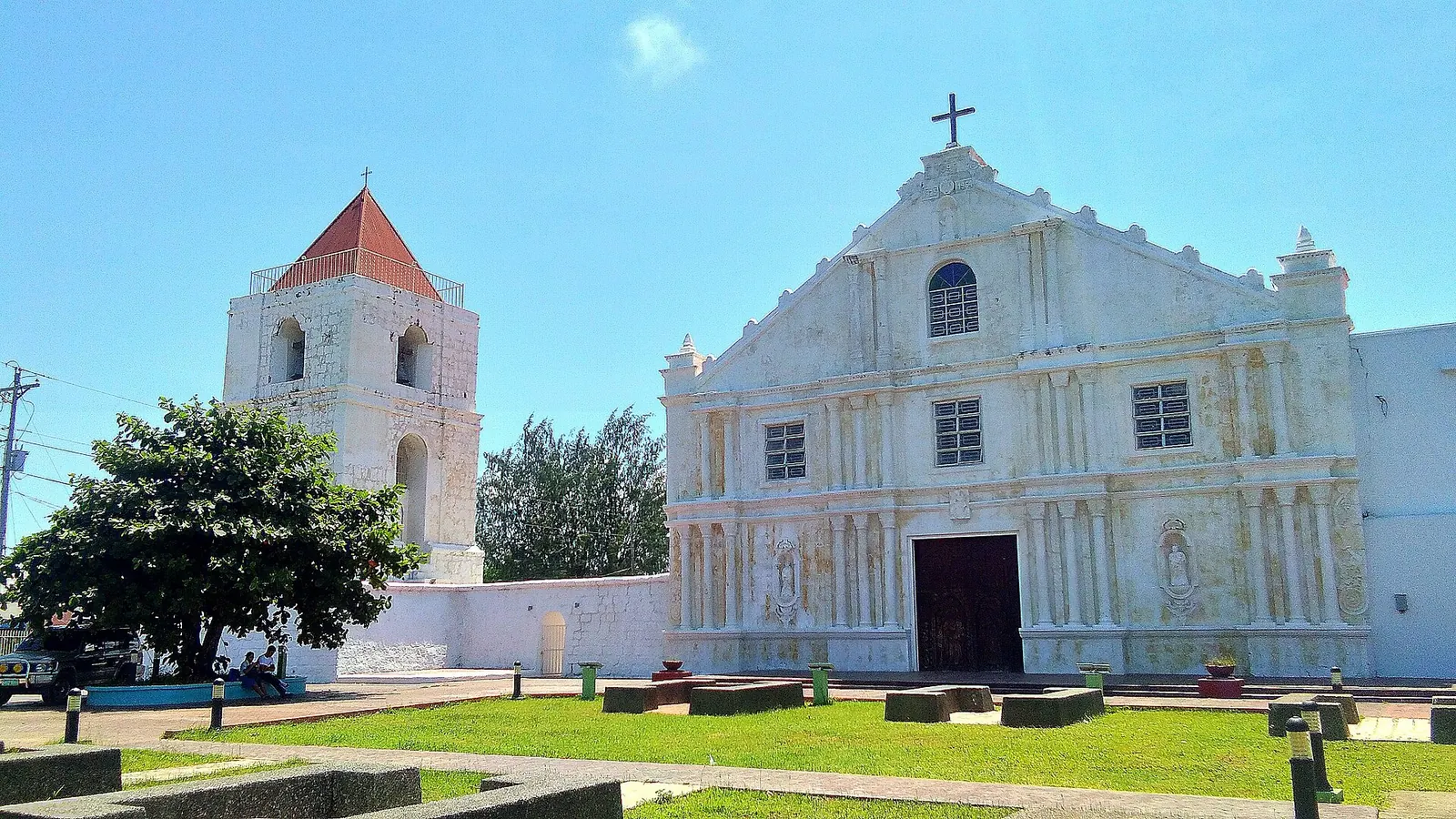
Homonhon’s encounter in 1521 and Guiuan’s restored church belong to different chapters of the province’s history.
 History
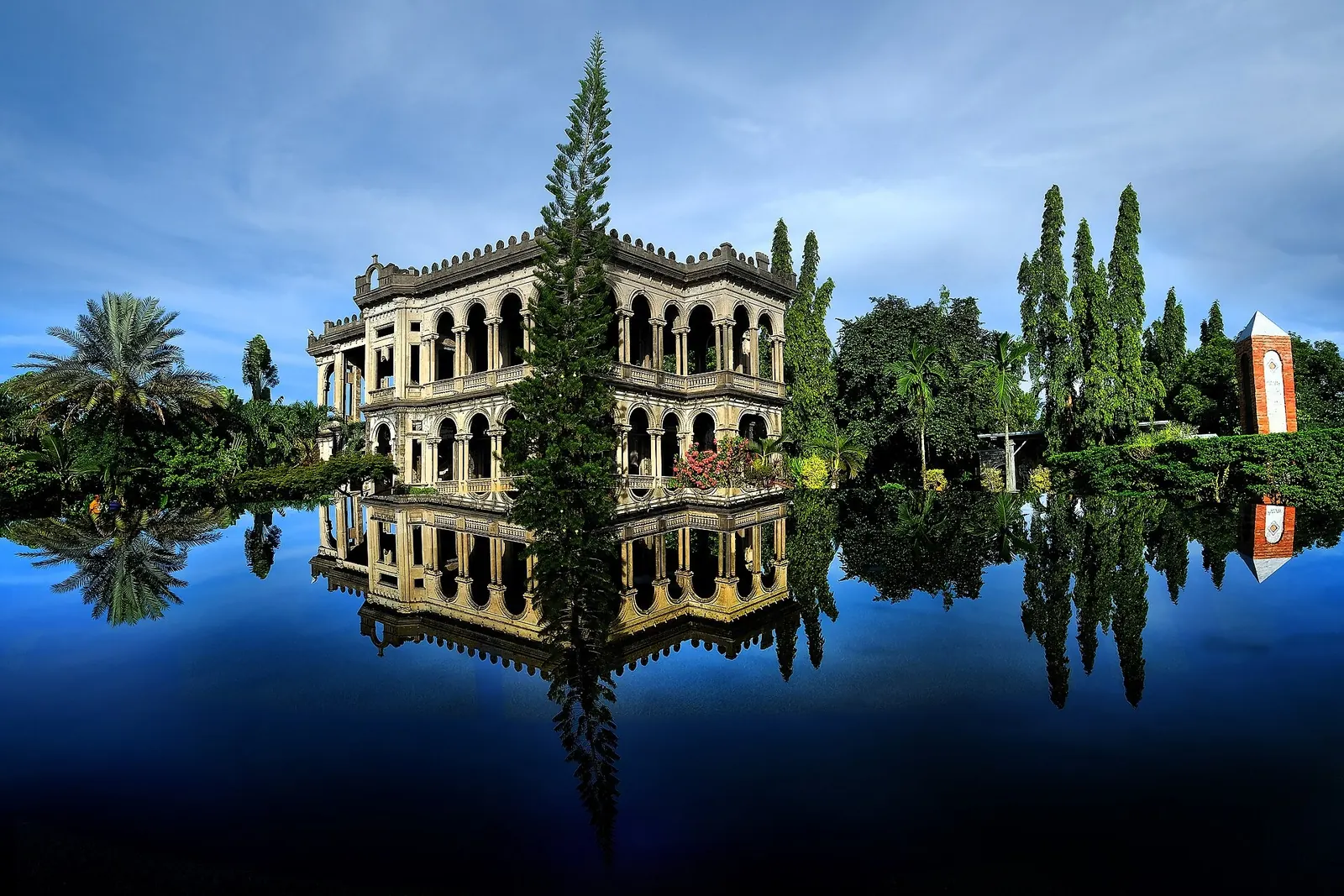
Talisay’s famous ruined mansion becomes more revealing when viewed alongside the sugar economy and surviving houses of neighboring Silay.
 History
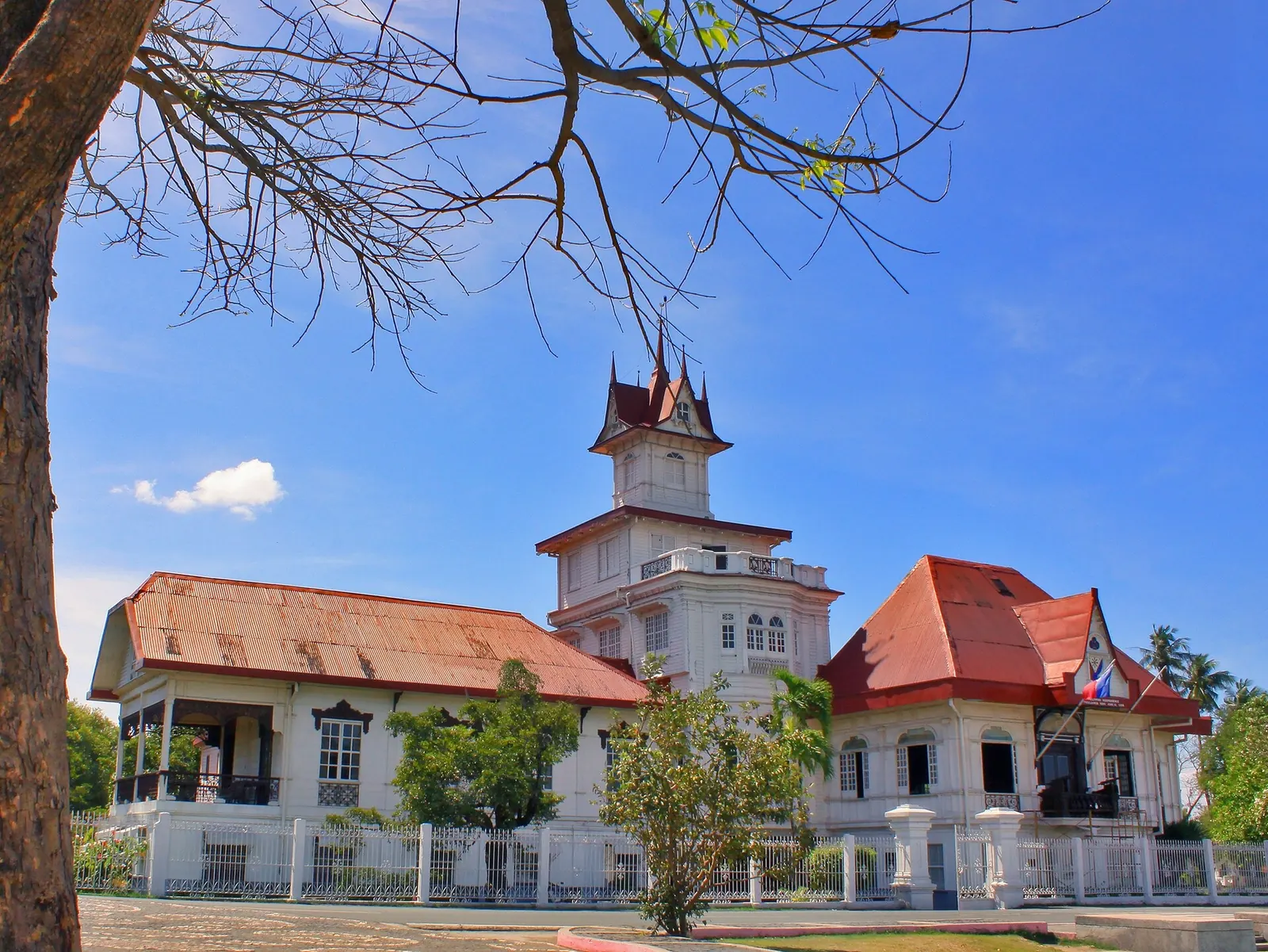
Kawit and Maragondon reveal different sides of the Philippine Revolution: a declaration of independence and a bitter internal conflict.
 History
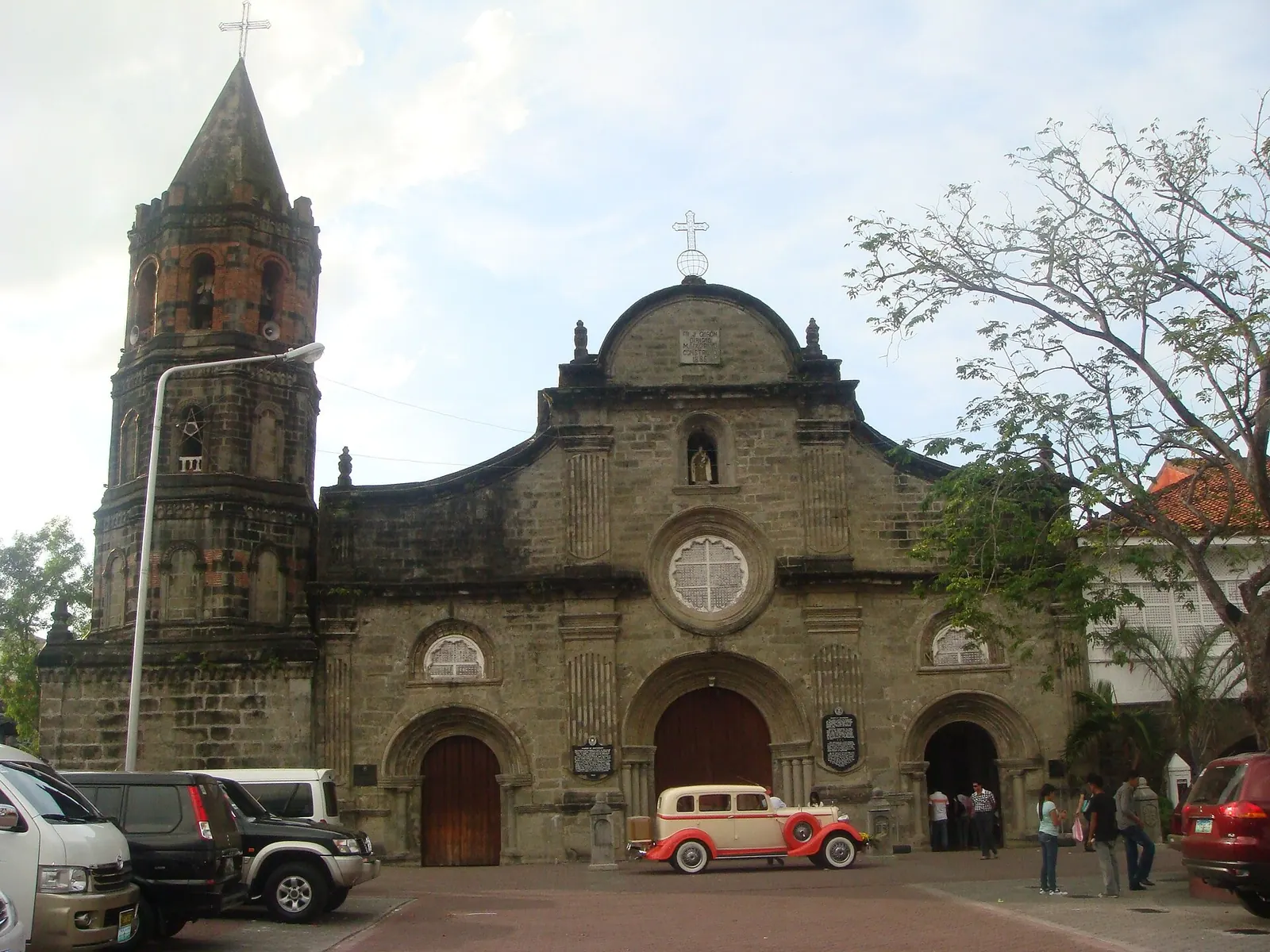
At Barasoain, a church, a congress and a constitution show how the Philippine Republic was given an institutional form.
 History
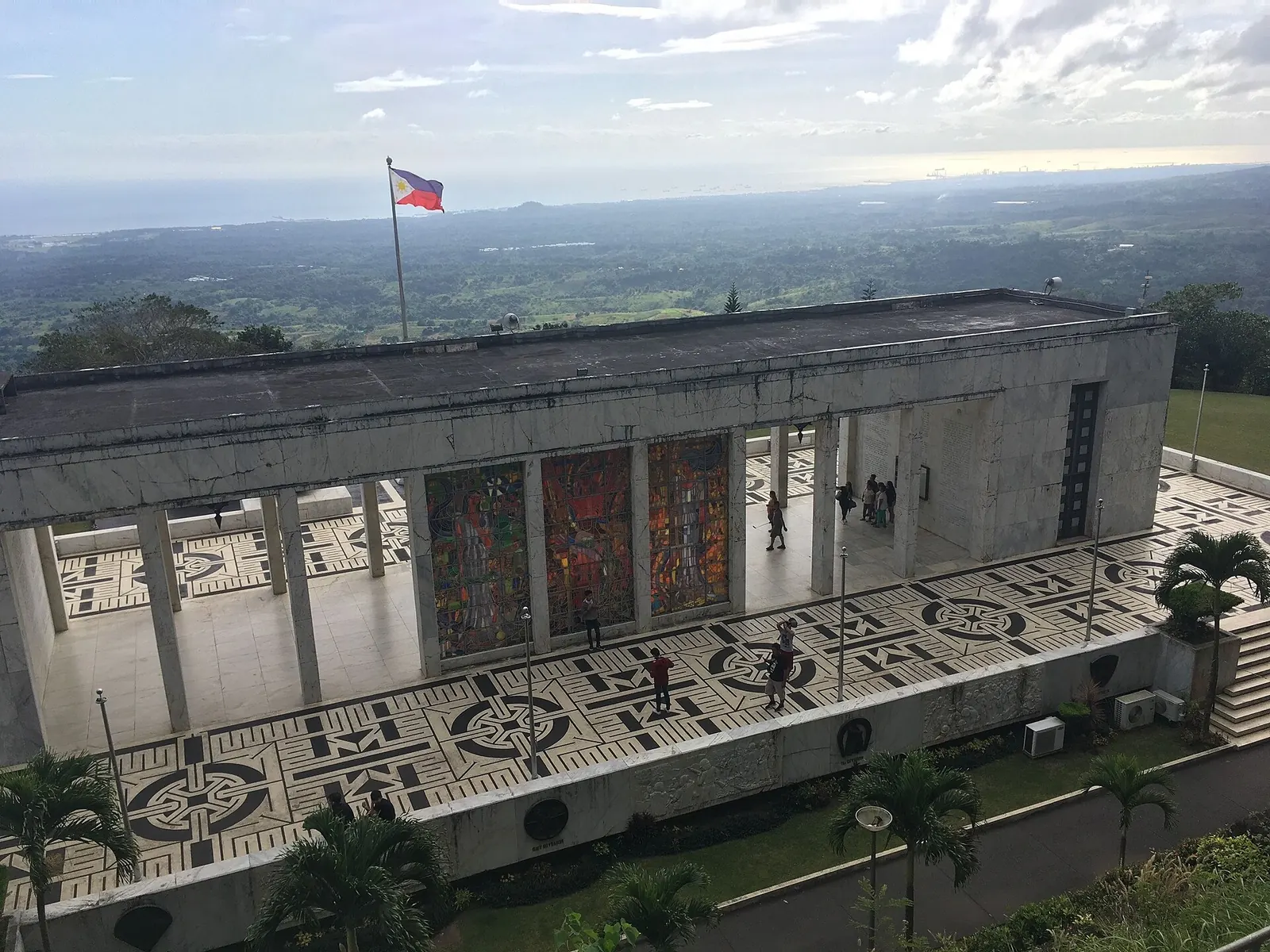
The peninsula’s memorials are best read as parts of a wartime sequence, rather than interchangeable monuments.
 History
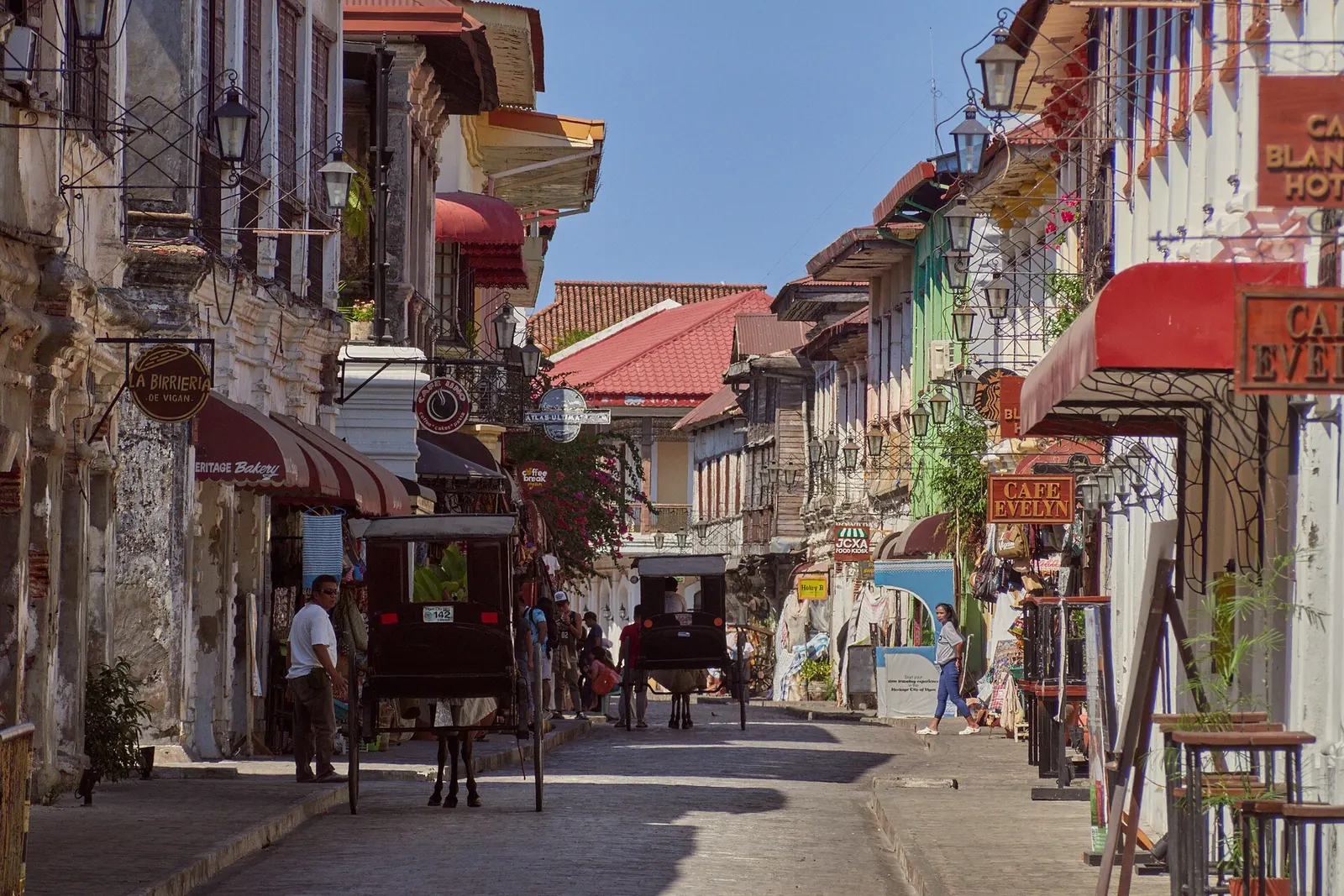
Vigan’s streets and museum collections explain a trading town shaped by several cultures—and by conflict as well as commerce.
 History
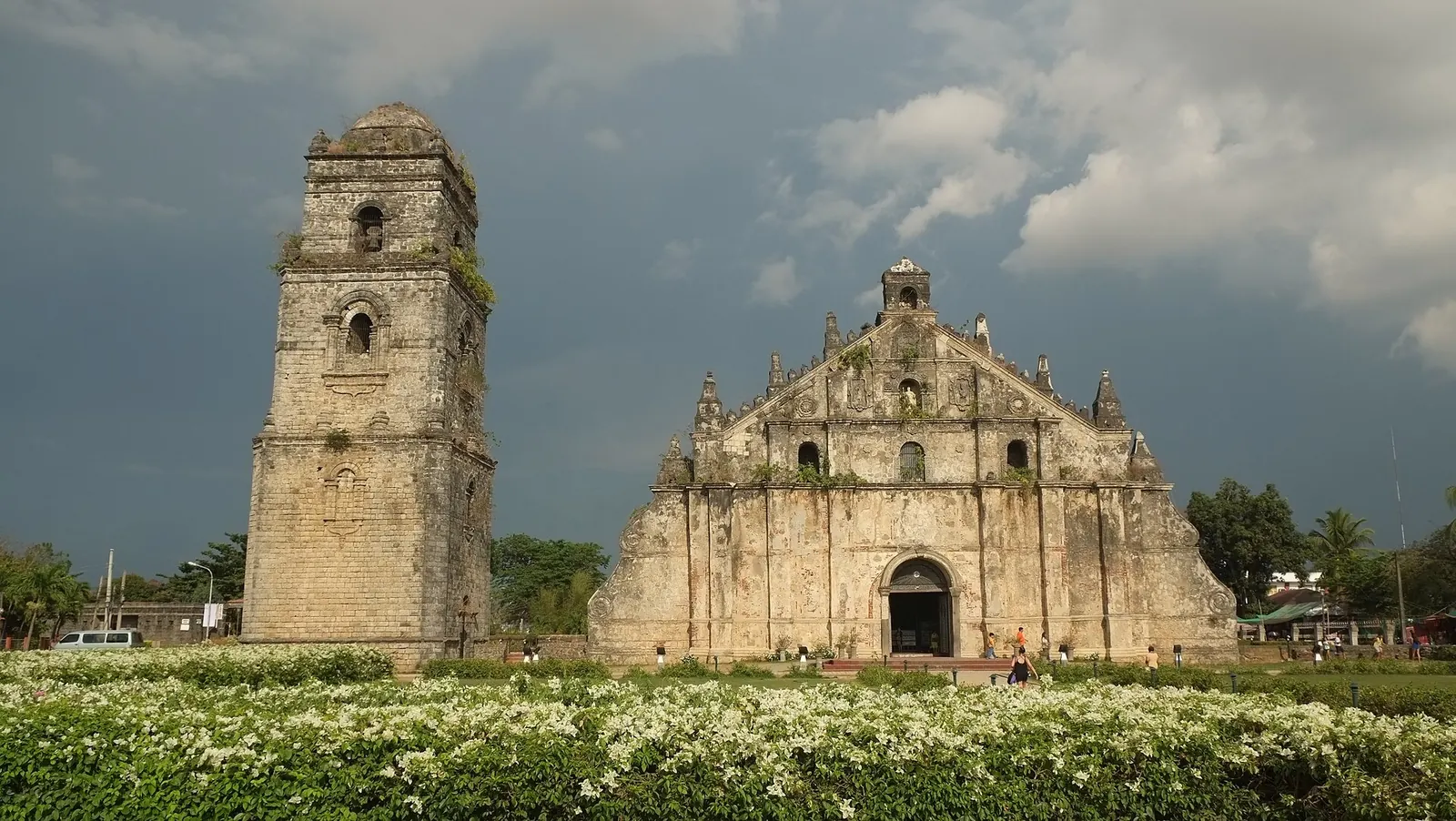
Paoay Church and Cape Bojeador Lighthouse reward a visit that asks what historic structures were built to do.
 History
One of Asia's major aviation hubs for several decades before its closure in 1998 but with a unique charm and character of its own.
Allow Google Analytics cookies to measure visits and reading activity? This is optional and separate from advertising. You can change your choice anytime. Privacy details