
Ilocos Sur: A Glimpse of the Past
Vigan’s streets and museum collections explain a trading town shaped by several cultures—and by conflict as well as commerce.
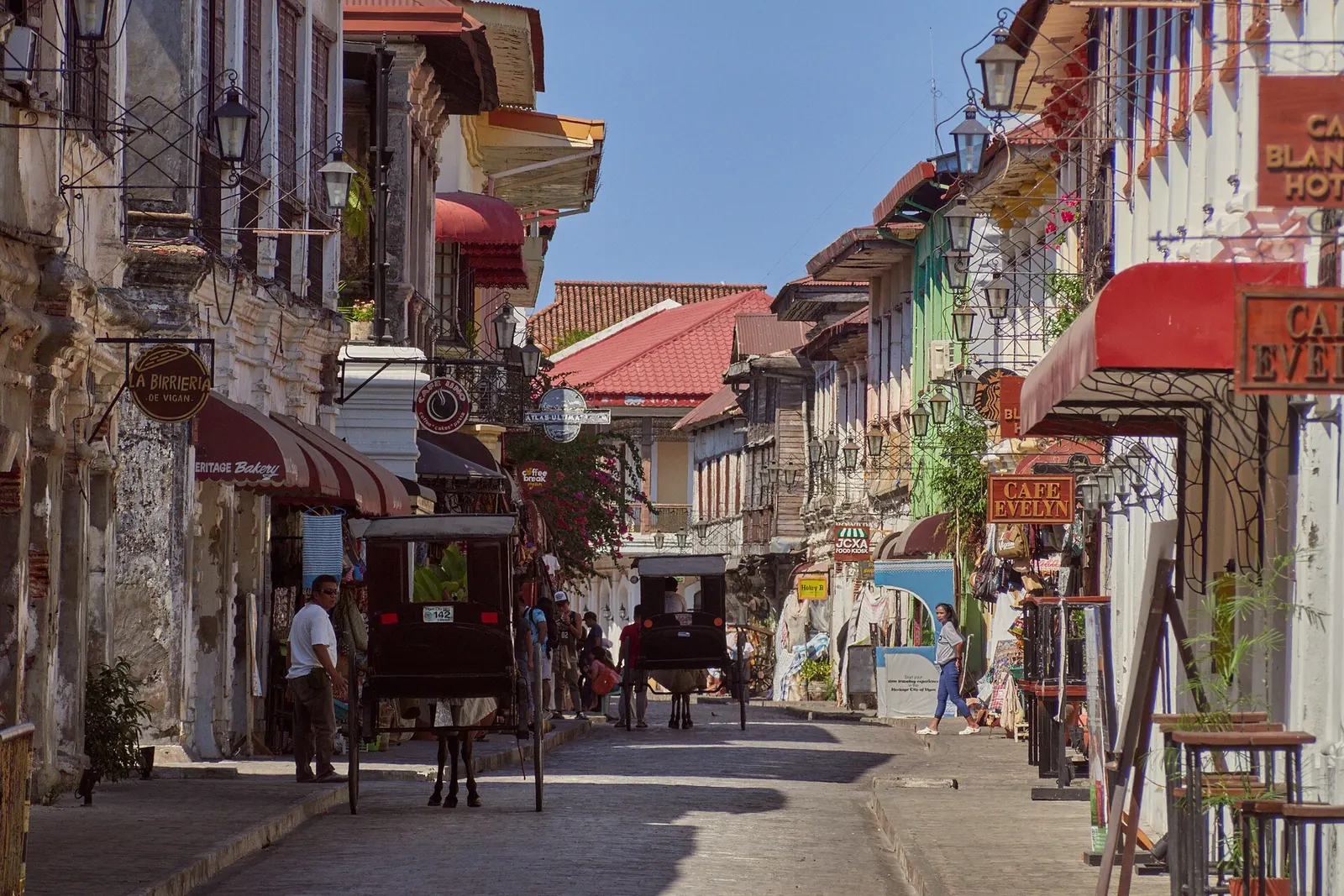
Calling Vigan a “Spanish town” leaves much of its architecture unexplained. UNESCO’s account of the city emphasizes the meeting of Philippine, Chinese and European influences. Its grid of streets and public spaces belongs to a colonial town plan, while the buildings show how that plan was adapted through materials, climate and the lives of their occupants.
Inscribed on the World Heritage List in 1999, the historic city is best understood as a townscape rather than one photogenic street. The relationship between plazas, houses and commercial spaces matters as much as an individual façade.
Looking above and below
UNESCO describes merchants using ground floors for shops, offices and storage, with living quarters above. Sliding window panels fitted with kapis shells helped ventilate upper rooms. These details suggest a useful way to walk: compare the functions of the lower and upper levels instead of looking only for decoration.
The buildings also require continuing care. Heritage status does not mean every interior is original or every structure is open to visitors. View a working shop as a business, a home as private space and a conservation area according to its posted instructions.
The past was not only picturesque
The National Museum’s Ilocos complex adds a necessary counterpoint to an attractive streetscape. Its Old Carcel building was a jail before becoming a museum. The collection includes Esteban Villanueva’s fourteen paintings of the 1807 Basi Revolt, an uprising connected to the colonial government’s wine monopoly.
That subject ties a familiar local drink to questions of production, control and resistance. It also invites careful looking at the paintings themselves: what episode does each show, whose actions receive attention and how does the sequence construct a story?
The nearby Burgos Museum is associated with the family of the martyred priest José Burgos and includes interpretation of Ilocano textile heritage. Check the museums’ current access arrangements before planning a visit, since conservation and exhibition schedules can change.
A rewarding day in Vigan combines observation with interpretation. The streets show the physical organization of a trading town; the collections introduce lives and conflicts that attractive architecture alone cannot explain. Together, they make Ilocos Sur’s past more substantial than a nostalgic backdrop.
Research note: This regional guide was expanded with AI assistance and checked against the sources below. It is source-based writing, not a claim of first-hand reporting. Confirm current access arrangements before traveling.
Join the conversation
Sign in to comment