
Cavite: Tracing a Historic Past
Kawit and Maragondon reveal different sides of the Philippine Revolution: a declaration of independence and a bitter internal conflict.
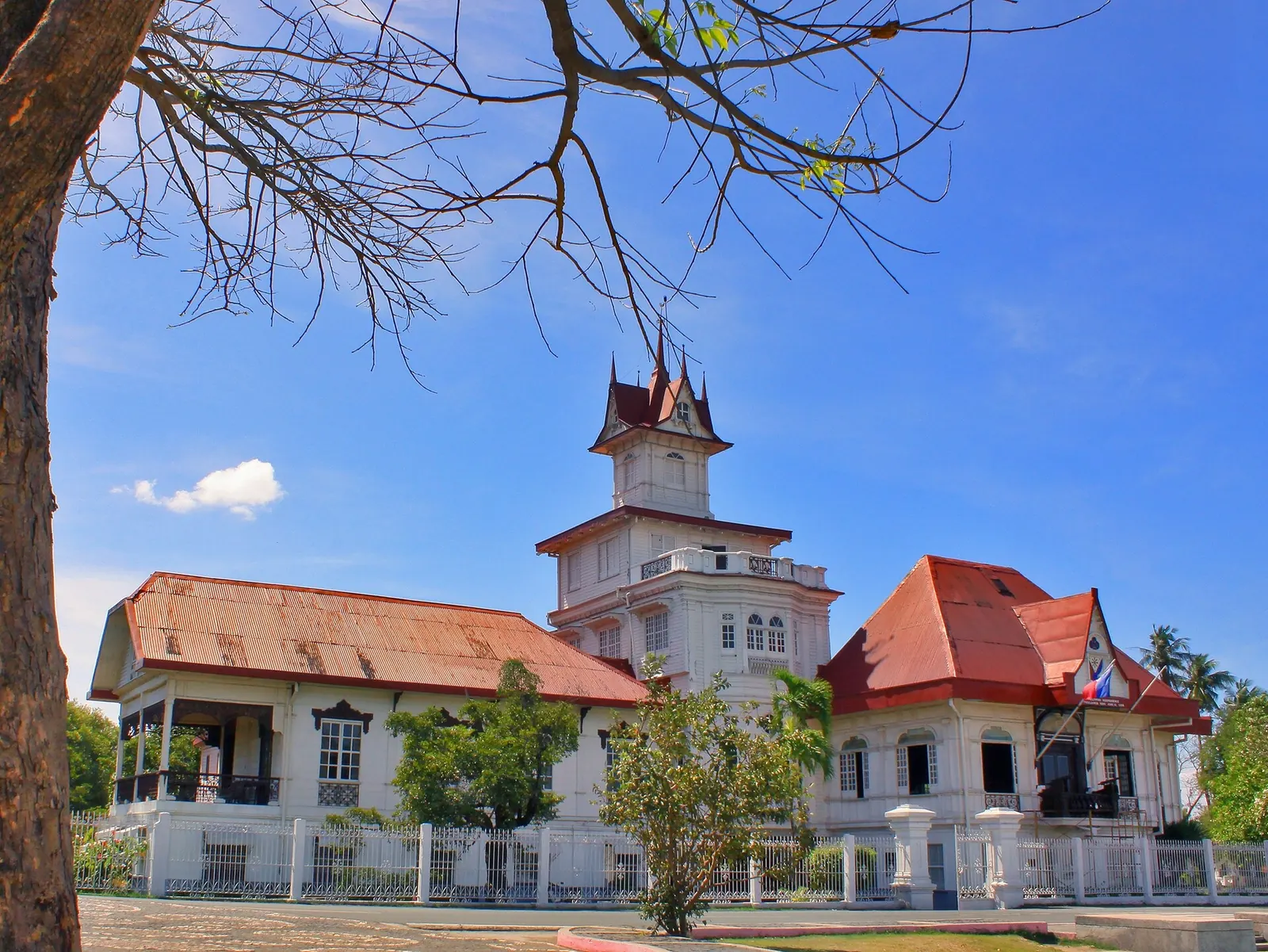
At the Aguinaldo Shrine in Kawit, one small architectural detail corrects a familiar image. The NHCP’s marker locates the June 12, 1898 proclamation of independence at the center window of the original Aguinaldo house. That wording matters: visitors should not automatically identify every feature of the later building with the exact setting of the ceremony.
The marker records Ambrosio Rianzares Bautista reading the declaration. It also identifies Julián Felipe’s Marcha Nacional Filipina, played by the band of San Francisco de Malabon, as the music now known as the national anthem. The event involved a document, witnesses, a flag and musicians—not only one leader.
Read a ceremony as a collective act
A useful visit follows those elements separately. What did the declaration say? Who read and witnessed it? How did music and the flag communicate the claim being made? These questions turn a familiar national image into a more detailed historical occasion.
The June declaration should also be distinguished from the inauguration of the First Philippine Republic in Malolos in January 1899. Independence and the institutional organization of a republic belong to a connected sequence rather than a single moment.
A more difficult history in Maragondon
The Bonifacio Trial House marks another part of Cavite’s revolutionary history. The NHCP records that Andrés and Procopio Bonifacio were tried there by a court-martial in May 1897. Its account identifies Teodorico Reyes as the owner of the house, built in 1889.
Including this site prevents a heritage journey from becoming only a procession of victories. The revolution also involved disputes over authority and violence within its own ranks. Museum interpretation and documentary evidence can help visitors examine those conflicts without reducing them to a simple competition between heroes.
Kawit and Maragondon are separate destinations; plan travel time and current museum access accordingly. At both, distinguish the surviving building, later alterations and commemorative interpretation. Cavite’s historic landscape is most revealing when it is allowed to contain disagreement as well as celebration. The tension between those stories is part of understanding how a nation emerged.
Research note: This regional guide was expanded with AI assistance and checked against the sources below. It is source-based writing, not a claim of first-hand reporting. Confirm current access arrangements before traveling.
Sources
NHCP registry: site of the independence proclamation

Join the conversation
Sign in to comment