
Marinduque: Masks, Faith and Island Life
A closer look at Moryonan and the island’s shipwreck collections reveals two very different ways of remembering the past.
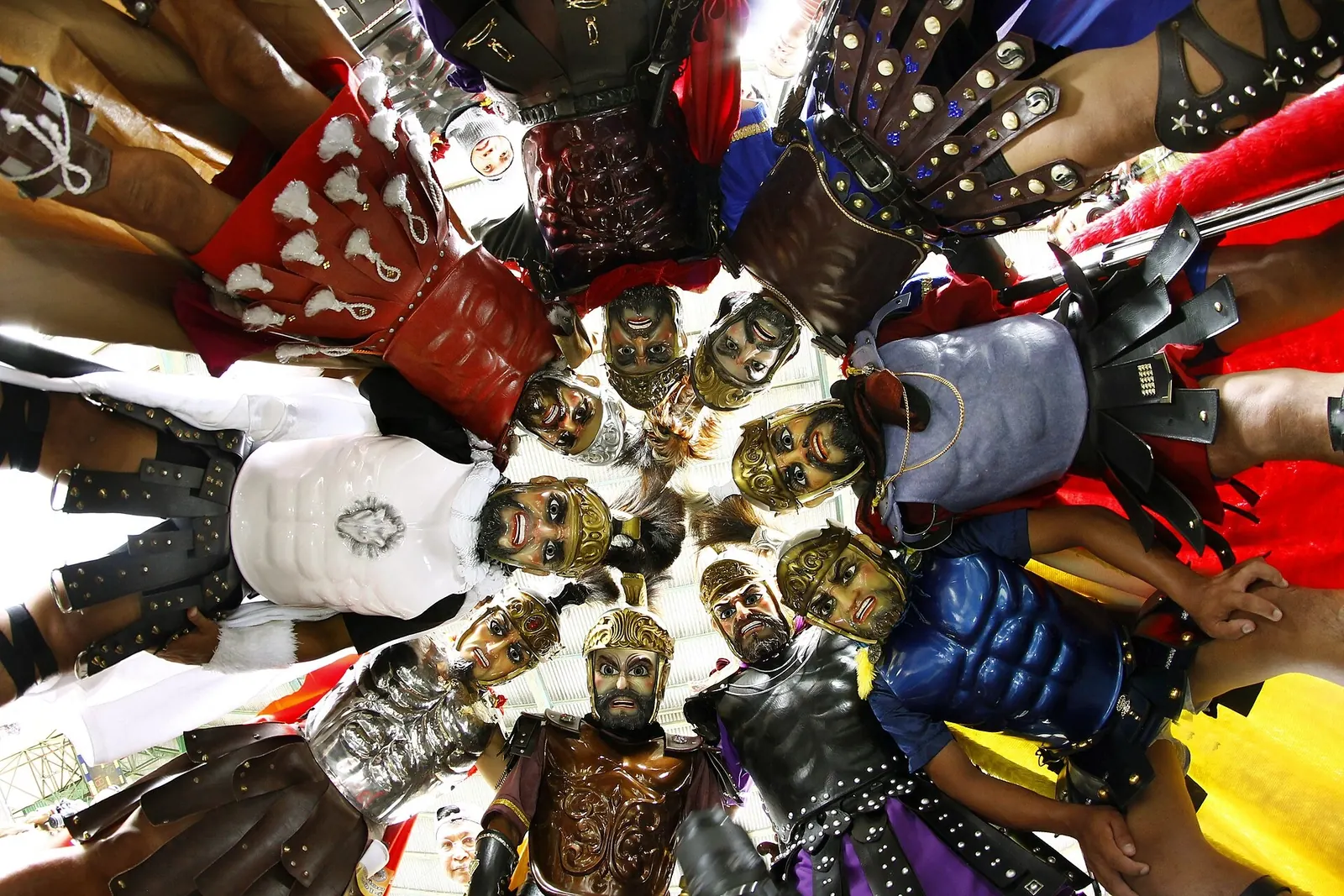
A Moryonan mask can look theatrical before its religious meaning becomes clear. In Marinduque, the National Museum describes the Holy Week observance as an expression of panata: a devotional commitment that may involve petition or thanksgiving. Participants wear elaborate masks and costumes recalling Roman soldiers. The face covering is part of the observance, not simply a prop supplied for visitors.
That distinction changes how the event should be approached. A good photograph may capture a striking costume, but it cannot explain an individual participant’s reason for wearing it. Questions about that commitment should be invitations to speak, rather than assumptions about what every devotee believes.
Reading the mask
The museum’s Moryonan exhibition draws attention to the carved wooden face, its exaggerated expression and the costume surrounding it. Looking at these elements separately makes the craftsmanship easier to appreciate. How has the carver shaped the brow? How does the wearer see through the mask? What does the full costume add that an isolated souvenir mask leaves out?
Outside Holy Week, a museum visit offers a way to learn about the practice without expecting a live observance. The National Museum’s Marinduque facility is in Malusak, Boac, in a building with a history of educational and civic uses. Its collections extend beyond the festival most readily associated with the island.
The island beneath the water
The Submerged History exhibition considers material recovered off Gaspar Island in Gasan and from a wooden wreck at Laylay, Boac. The Gaspar discoveries include Chinese Zhangzhou ceramics, a type produced during the middle of the sixteenth to the middle of the seventeenth century. These objects connect Marinduque to maritime exchange beyond its shoreline.
A ceramic’s production period is not automatically the exact date a vessel sank. Keeping those kinds of evidence separate makes archaeology more interesting, not less: cargo, timber and the circumstances of discovery answer different questions.
Taken together, the masks and maritime collections offer a richer introduction than a festival calendar alone. One concerns a tradition people continue to enact; the other reconstructs connections from objects left behind. Both reward attention to the people, work and evidence behind an island’s familiar images.
Research note: This regional guide was expanded with AI assistance and checked against the sources below. It is source-based writing, not a claim of first-hand reporting. Confirm current access arrangements before traveling.
Sources
National Museum: Moryonan, Art and Devotion
Join the conversation
Sign in to comment