
Tarlac: Faith, Memory and a Slower Pace
At Capas, understanding the final stages of the Death March gives a memorial visit the time and attention it deserves.
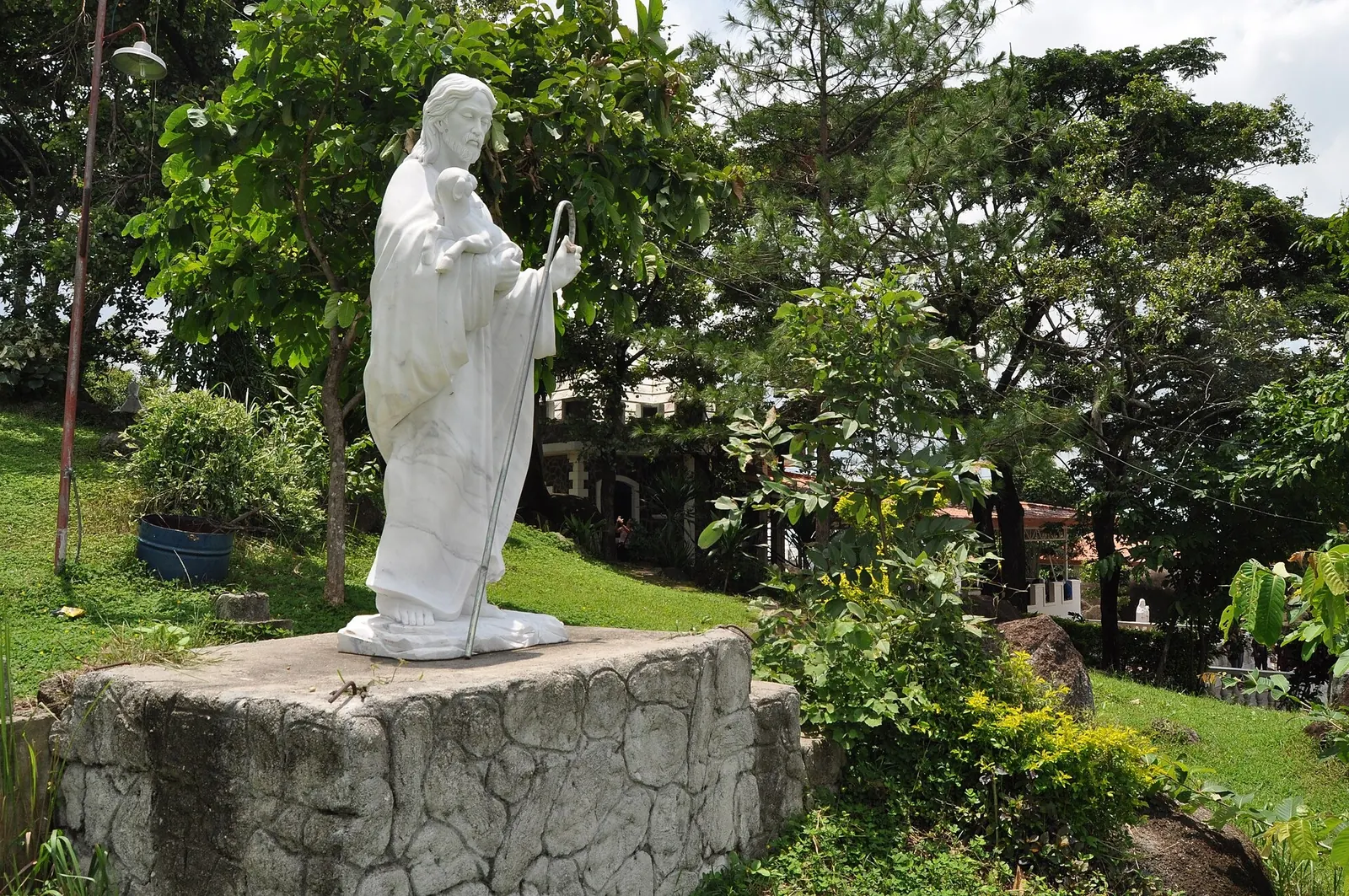
Capas National Shrine in Tarlac commemorates a place where wartime suffering continued after the journey from Bataan. The shrine occupies the former Camp O’Donnell site, associated with the imprisonment of Filipino and American soldiers in 1942. It should not be understood as merely a finish line at which an ordeal ended.
The Philippine Veterans Affairs Office identifies the shrine in Barangay Aranguren, Capas, and records its designation under Proclamation 842 in December 1991. The date of designation belongs to the modern memorial; the camp’s wartime history belongs to a different period.
The journey included a train
The NHCP’s account of the Death March describes more than continuous walking from one end to the other. Prisoners were forced north from Bataan, crowded into railway cargo cars at San Fernando, and then made to walk again after reaching Capas. The final destination was Camp O’Donnell.
That sequence helps explain why memorials appear in several provinces and why the railway is part of the story. Different sites mark different stages of captivity. A map of the route can be more informative than relying on the name “Death March” alone.
The historical account also describes civilians risking themselves to offer food and drink. Remembering them widens the story beyond military units and commanding officers. Local communities encountered the passing prisoners as people in urgent need, not as a later historical symbol.
Time for remembrance
PVAO’s commemorative material describes the shrine’s obelisk and annual acts of remembrance. A visit can begin by reading the site’s interpretation before photographing the monument. Ask what each memorial element is intended to recall, and distinguish recorded names from any broader estimate of deaths.
Check access arrangements and give ceremonies space. This is a place where quiet observation is an appropriate part of the experience. If visiting other parts of Tarlac on the same day, avoid treating the shrine as a rushed scenic stop between activities.
The value of a visit lies in connecting geography with human experience: a railway station, a road and a camp became successive settings of captivity. Understanding those connections makes remembrance more precise and the landscape harder to pass without reflection.
Research note: This regional guide was expanded with AI assistance and checked against the sources below. It is source-based writing, not a claim of first-hand reporting. Confirm current access arrangements before traveling.
Sources
PVAO: Capas National Shrine site background, 2025

Join the conversation
Sign in to comment