
Siquijor: Folklore, Faith and Island Life
Healing traditions and Lazi’s religious architecture reveal a living community beyond the island’s supernatural reputation.
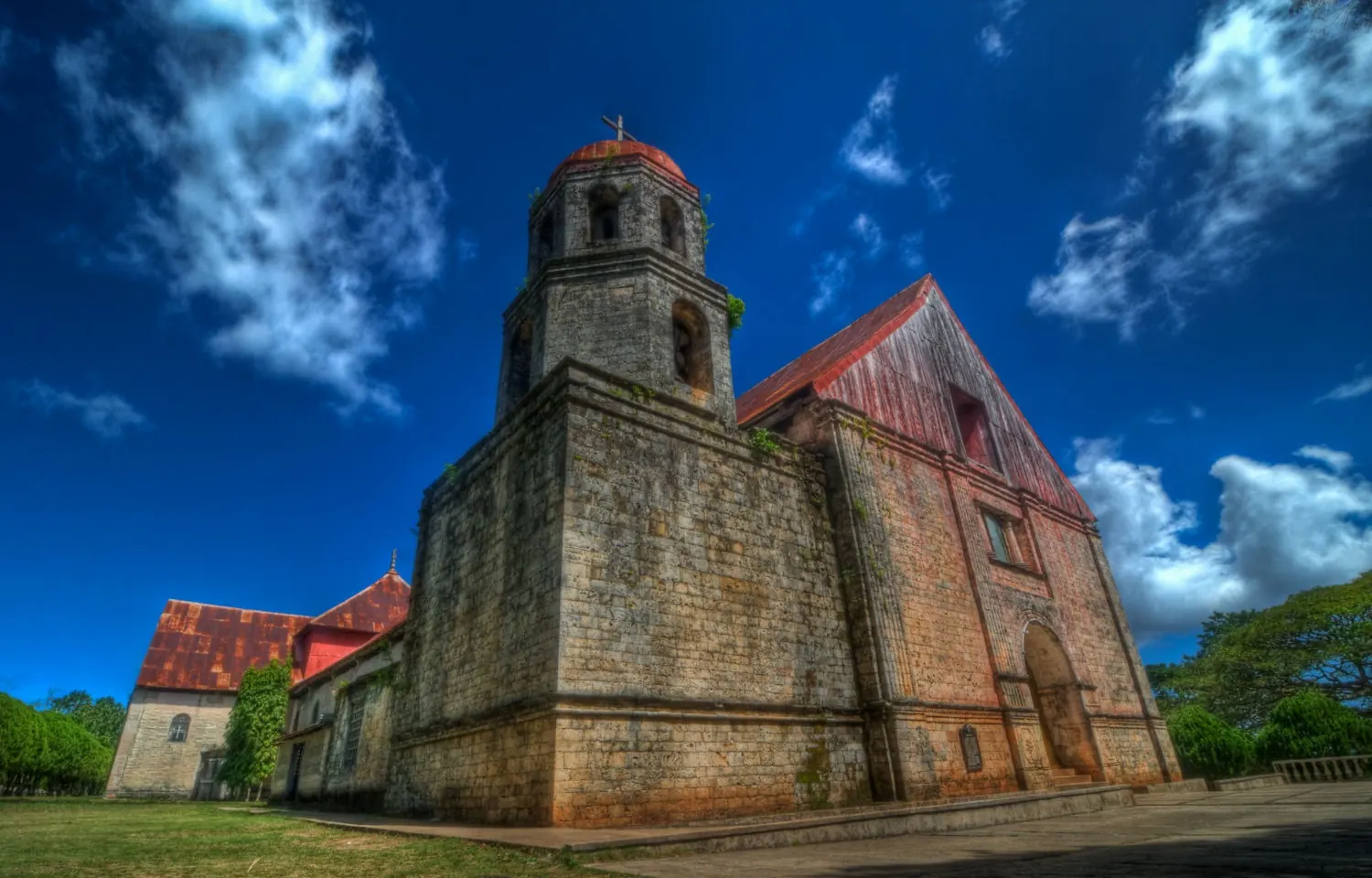
Siquijor is frequently introduced through tales of mystery. A more careful visit begins with the people who practice its traditions and the settings in which those traditions continue.
The Philippine Information Agency’s reporting on the 2026 Healing Festival describes Holy Week activities at Mount Bandilaan and the province’s effort to connect cultural heritage with sustainable tourism. Such an event can be understood as a gathering of knowledge, belief and community life without presenting every associated claim as a medical fact.
Understanding a practice is different from proving a treatment
A study reported by the Philippine Council for Health Research and Development examined the use of herbal home remedies in several Siquijor communities. Participants discussed availability, cost and inherited knowledge as reasons for their choices.
That kind of research documents what people do and why. It is not, by itself, a clinical trial demonstrating that a preparation cures an illness.
Visitors can ask practitioners how knowledge is learned, what local names are used for plants and which parts of a practice may be shared publicly. Permission matters before photographing a person, recording a demonstration or presenting a private ritual online. Herbal preparations should not be assumed safe simply because they are described as natural, or used as a substitute for needed medical care.
Lazi’s recorded history
Lazi provides a different, documented route into the island’s religious life. The National Historical Commission dates the establishment of its parish to 1857, the completion of San Isidro Labrador Church to 1884 and its bell tower to 1885. Construction of the convent followed between 1887 and 1891.
The marker also identifies the contribution of Filipino artisans working with stone and wood. This shifts attention from a building’s size to the labor and skills that made it.
Visit as a guest in a place of worship, with services taking priority over sightseeing. Architecture, devotion and healing traditions need not be forced into one exotic narrative.
Siquijor becomes more understandable when its residents are allowed to explain their own practices and when historical evidence, personal belief and medical claims are kept distinct.
Research note: This regional guide was expanded with AI assistance and checked against the sources below. It is source-based writing, not a claim of first-hand reporting. Confirm current access arrangements before traveling.
Sources
PIA: Siquijor’s healing traditions and sustainable tourism, April 2026
Join the conversation
Sign in to comment