
Maguindanao: A Landscape of Faith and Culture
A pink mosque and the woven fabric called inaul reveal distinct parts of a cultural landscape that now spans two provinces.
A reader using an older map of Maguindanao will encounter an important change. The Philippine Statistics Authority records that the division into Maguindanao del Norte and Maguindanao del Sur was ratified on September 17, 2022. The familiar name remains useful when discussing a wider cultural history, but it no longer describes a single present-day province.
That distinction helps locate the places in this story. Masjid Dimaukom, commonly known as the Pink Mosque, stands in Datu Saudi Ampatuan, Maguindanao del Sur. It should not be confused with other prominent mosques in the Bangsamoro region simply because travel photographs present them together.
Reading a landmark beyond its color
The provincial tourism office dates the mosque’s completion to 2014 and explains its pink color through ideas of peace and love. Its domes and minaret make a striking image, but the building’s main purpose is worship. A useful account therefore begins with its location and function, rather than treating it as an unrestricted photography stop.
For a visitor, the relevant questions are whether guests are welcome at a particular time, which spaces are accessible, and what clothing and photography rules apply. Ask the custodians directly. An invitation into one mosque should not be generalized into permission at every religious site.
Inaul is made on a loom
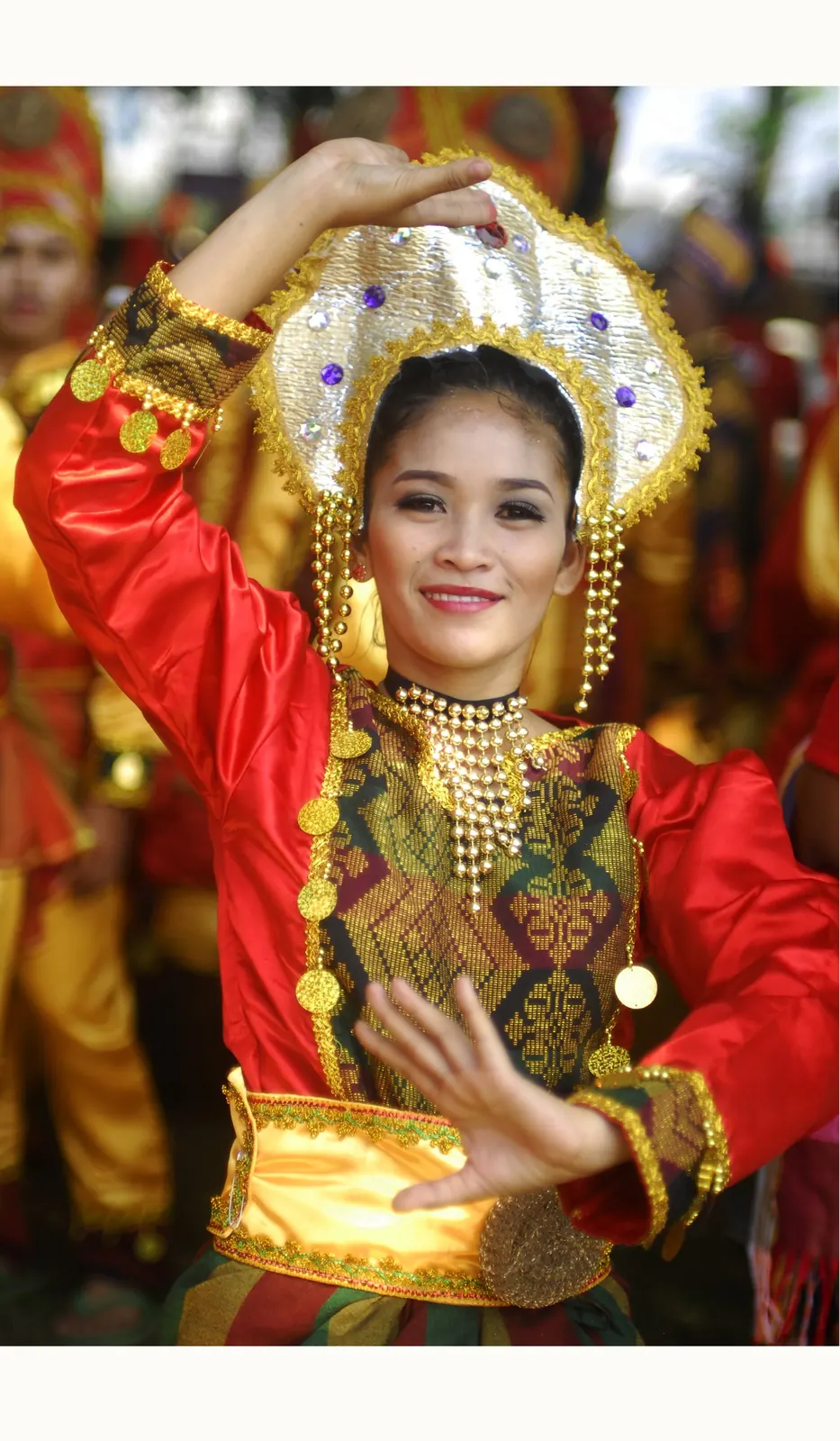
Inaul offers another kind of visual literacy. The Bangsamoro Commission for the Preservation of Cultural Heritage describes it as Maguindanaon handwoven fabric, including cloth made into a malong, or tube garment. Its documentation identifies both backstrap and fixed horizontal looms and discusses cotton, rayon and lustrous threads used by weavers.
Those details change the questions worth asking about a piece of cloth. Who wove it? Which material gives it its sheen? Was it intended to be worn as a complete garment, or adapted for another use? Knowing the answers connects the finished object with a process and a maker.
The mosque and the textile need not be forced into one symbolic explanation. One is a place of communal worship; the other is a craft with its own techniques and uses. Together they show why learning about Maguindanao requires attention to specific forms, names and communities. Updated geography provides the starting point, while local knowledge gives the landscape its meaning.
For travel planning, consult current destination advice and local arrangements separately from this cultural overview; older guidebooks may use both outdated provincial names and outdated access information.
Research note: This regional guide was expanded with AI assistance and checked against the sources below. It is source-based writing, not a claim of first-hand reporting. Confirm current access arrangements before traveling.
Sources
Philippine Statistics Authority: the 2022 provincial division
Maguindanao del Sur tourism office: Pink Mosque
Bangsamoro cultural heritage commission: Inaul of Maguindanao
Join the conversation
Sign in to comment