
Bataan: A Landscape of Remembrance
The peninsula’s memorials are best read as parts of a wartime sequence, rather than interchangeable monuments.
Bataan’s place in Second World War history rests on events that should be distinguished from one another: the defense of the peninsula, the surrender on April 9, 1942, and the captivity that followed. A visit becomes more meaningful when those stages are understood before approaching a memorial.
The Philippine Veterans Affairs Office’s historical account identifies Major General Edward P. King with the surrender of the exhausted Filipino and American defenders. It also records the suffering of prisoners in the Bataan Death March. The end of organized defense on the peninsula did not mean the end of danger for the people taken captive.
From battlefield to memorial
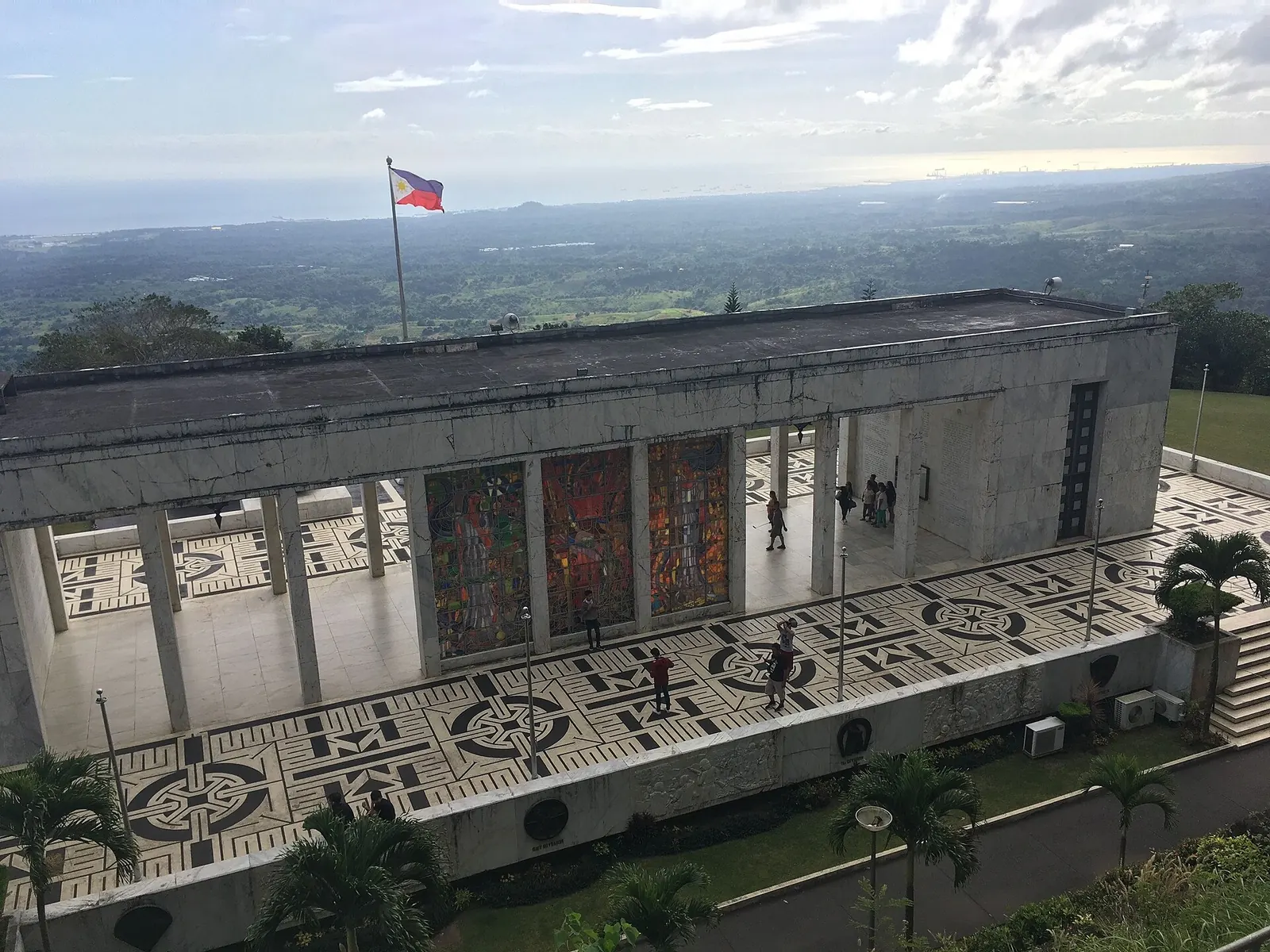
Mount Samat National Shrine, also known as Dambana ng Kagitingan, is in Pilar. The NHCP registry records the laying of its cornerstone on April 14, 1966. That date belongs to the creation of the memorial, not to the battle it commemorates.
This distinction is worth making at any historical site. A monument can be built decades after an event and still stand in a landscape associated with it. Its design tells us something about later remembrance, while maps, documents and testimony help explain what happened during the war itself.
PVAO’s account of the shrine describes its memorial cross and museum interpretation. Allow time for that interpretation rather than treating the cross only as a distant landmark. The strongest questions concern people: who defended the peninsula, what conditions they faced and how families preserved the memory of those who did not return.
Reading dates with care
Avoid compressing the entire campaign into one commemorative day. April 9 is central to national remembrance, but a military campaign, forced movement and imprisonment unfold over longer and different timelines. Nor should an uncertain casualty estimate be presented as an exact count without identifying its source.
For a visit, check which parts of the shrine are currently accessible and respect ceremonies or quiet remembrance taking place. Bataan’s landscape can be beautiful, but its memorials ask for more than admiration of the view. They provide an opportunity to connect a national story with the individuals who endured it.
Research note: This regional guide was expanded with AI assistance and checked against the sources below. It is source-based writing, not a claim of first-hand reporting. Confirm current access arrangements before traveling.
Sources
PVAO: Philippine historical overview, Battle of Bataan
Join the conversation
Sign in to comment