
Fort Santiago’s Dungeons: The History Behind the Silence
Behind Fort Santiago’s eerie reputation is a documented history of wartime imprisonment. Here is how to understand—and respectfully visit—the dungeons.
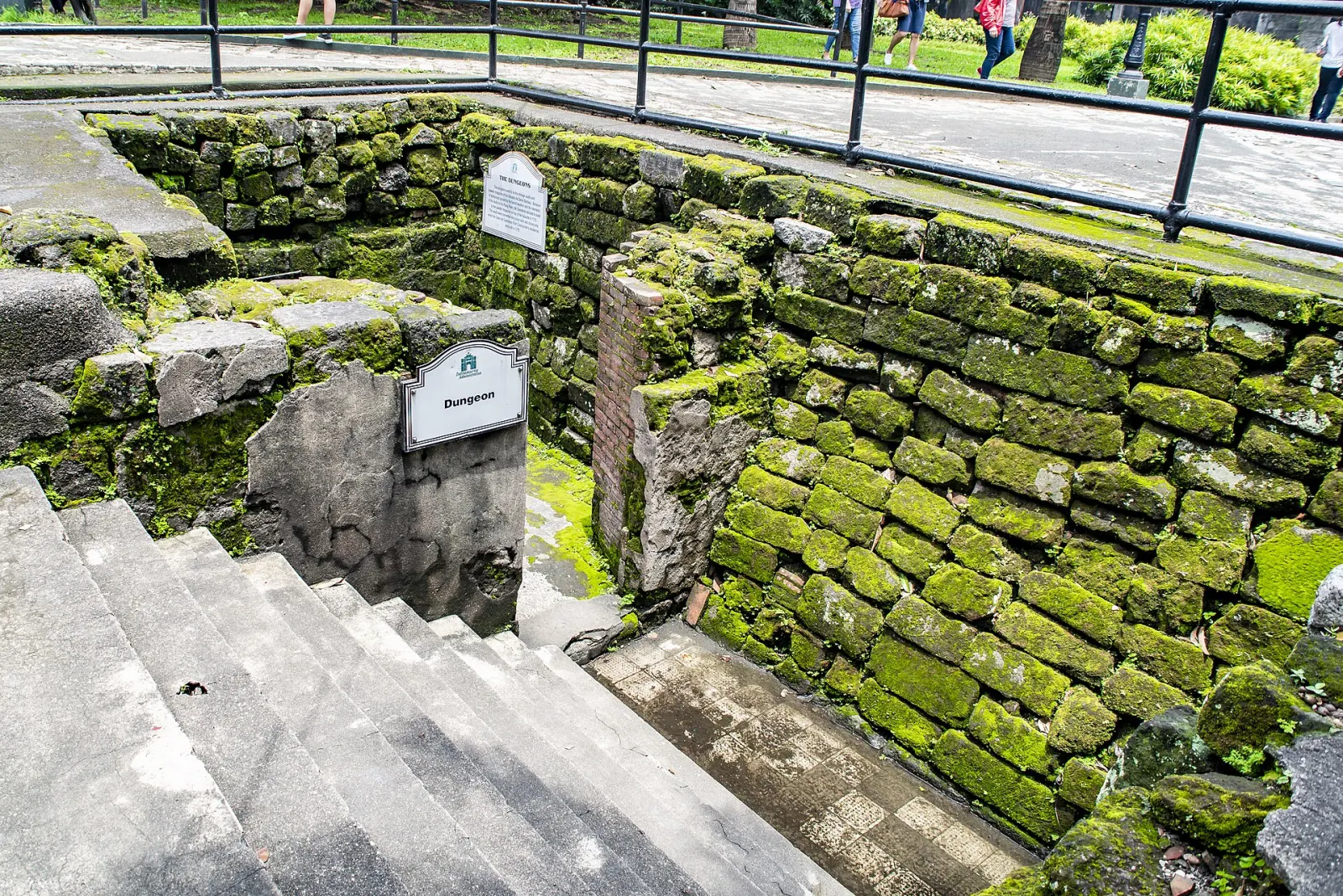
There is an easy way to tell a story about a dungeon: begin with darkness and let the imagination supply the rest. At Fort Santiago in Manila, the documented history asks for closer attention. The chambers are part of a place where confinement, occupation and war left lives interrupted and families bereaved.
Their unsettling reputation may draw a visitor inside. Understanding what happened there—and separating it from a frequently repeated legend—is the more meaningful reason to stay and read.
From gunpowder storage to prison cells
The Intramuros Administration’s account of the dungeons identifies the chambers as former powder magazines, originally intended for storing gunpowder. During the Second World War, they became cells for detained guerrillas and civilians.
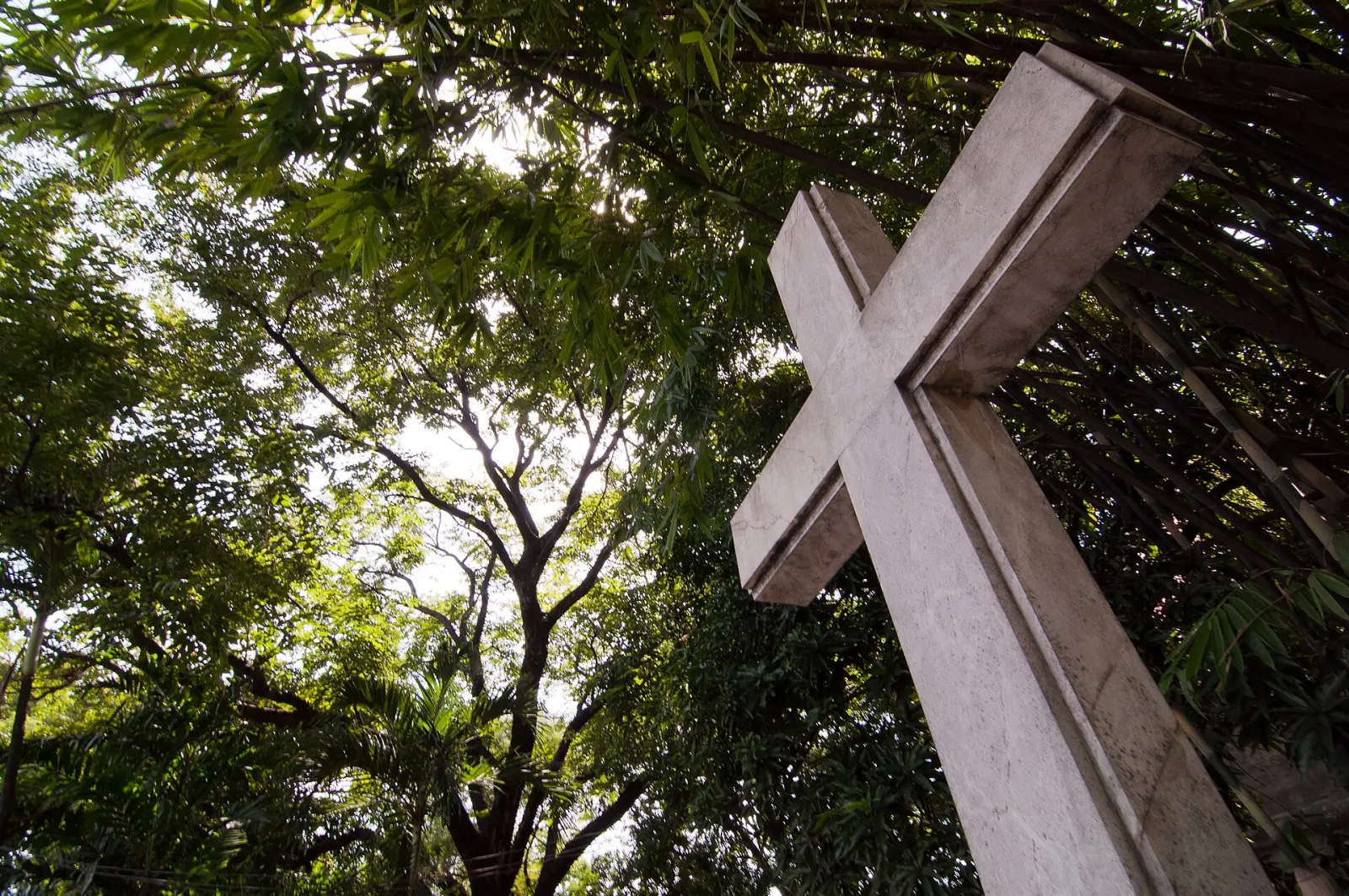
The agency describes prisoners abandoned during the 1945 Battle of Manila and deaths associated with lack of food, poor ventilation and unsanitary conditions. A white marble cross near the dungeons marks a mass grave. These details give the space a human history that deserves more than a passing association with fear.
The story about prisoners and the rising tide
One familiar account claims that prisoners were deliberately drowned as river water entered the dungeons at high tide. The Intramuros Administration directly rejects that story. Its Fort Santiago walking guide states that archaeological evidence places the chambers above the river level, contradicting the regular tidal-flooding account.
Correcting the legend does not diminish the suffering that occurred in the fort. It helps distinguish evidence from a story made memorable by repetition. The historical record is already grave enough without adding a mechanism of death that the site’s administrators say is unsupported.
Rizal’s cell is a different chapter
Fort Santiago also holds the memory of José Rizal, but visitors should not collapse every prison story into the same room or period. The NHCP registry entry for his prison cell records his detention there from November 3 to the morning of December 29, 1896. That is a different historical episode from the wartime use of the dungeons decades later.
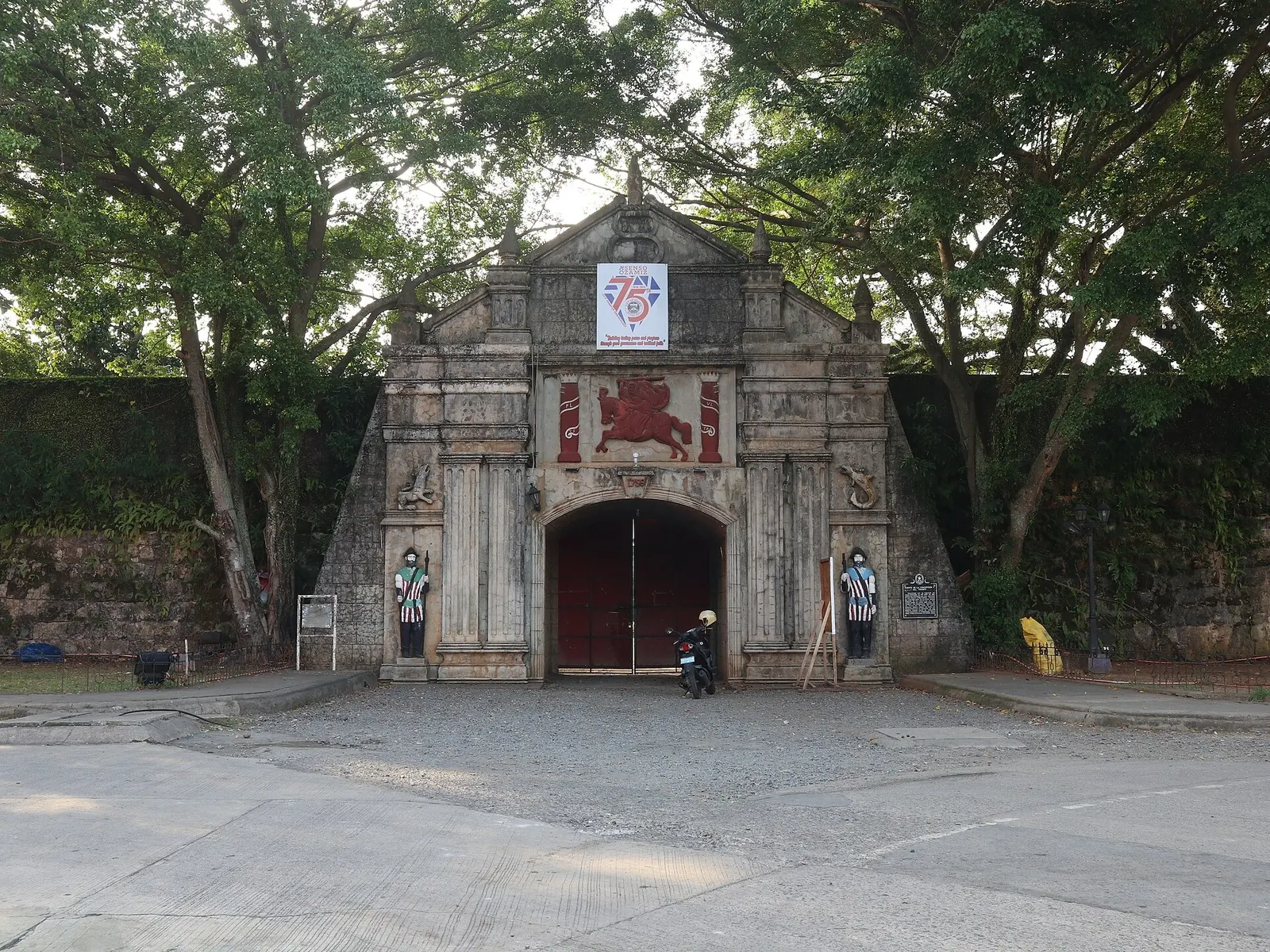
Reading the markers in sequence helps. The fort’s exhibits, Rizal shrine, wartime memorials and dungeon chambers each explain a part of the site. Taken together, they show how the same complex acquired different uses under different authorities.
Fort Santiago hours and an admission budget
The Intramuros Administration’s hours and fees page, checked October 26, 2026, lists Fort Santiago at 8 a.m.–10 p.m. Monday–Friday, with regular last entry at 8 p.m.; and 6 a.m.–10 p.m. Saturday–Sunday, with regular last entry at 8:30 p.m. It mentions possible later entry for certain Klook bookings; do not rely on that exception without confirmation.
Listed admission is ₱75 regular or ₱50 for students, senior citizens and persons with disabilities. Two regular admissions therefore cost ₱150; two regular admissions plus two eligible discounted admissions total ₱250. These are admission-only calculations, excluding transport, food or separately charged activities. Confirm eligibility and current rates before travel.
These hours apply to the fort. Ask staff specifically whether the dungeons and Rizal shrine will be accessible during your visit; the fort’s evening closing time does not establish the hours of every interior space.
A suggested sequence for reading the site
Begin with the site map and the historical markers that identify the fort’s different periods. Read the Rizal material as a nineteenth-century chapter, then approach the wartime chambers and memorial with the Second World War chronology in mind. This is a suggested reading sequence, not a prescribed walking route; follow the paths and openings available that day.
If an interior is closed or unsuitable for your mobility needs, ask staff which exterior markers or exhibits can supply the context. The aim is to understand the place, not to enter every chamber. Keep enough time to read the memorial rather than treating it as a final photograph on the way out.
Conduct in the memorial spaces
Inside, give other visitors room to move and read. Keep voices low around memorial spaces, follow barriers and photography instructions, and avoid staging a frightening scene for a video. A place associated with real loss deserves conduct that recognizes the people behind the story.
What the silence can hold
A visit need not end with a claim about ghosts. It can end with names, dates and a clearer understanding of what imprisonment meant here. Ask what the evidence tells us, whose experience a marker records and which assumptions arrived with us before we entered.
Fort Santiago’s dungeons are powerful because they belong to history. The most lasting response to their silence may be the decision to remember that history accurately.
Explore more stories from Philippine history. Fort hours and admission figures checked October 26, 2026; historical references reviewed October 22. Confirm dungeon-specific access with staff on the day.
Join the conversation
Sign in to comment