
Misamis Occidental: A Fort, a Coast and Local Memory
Ozamiz’s Cotta combines a defensive structure, a history of repair and a place of continuing devotion.
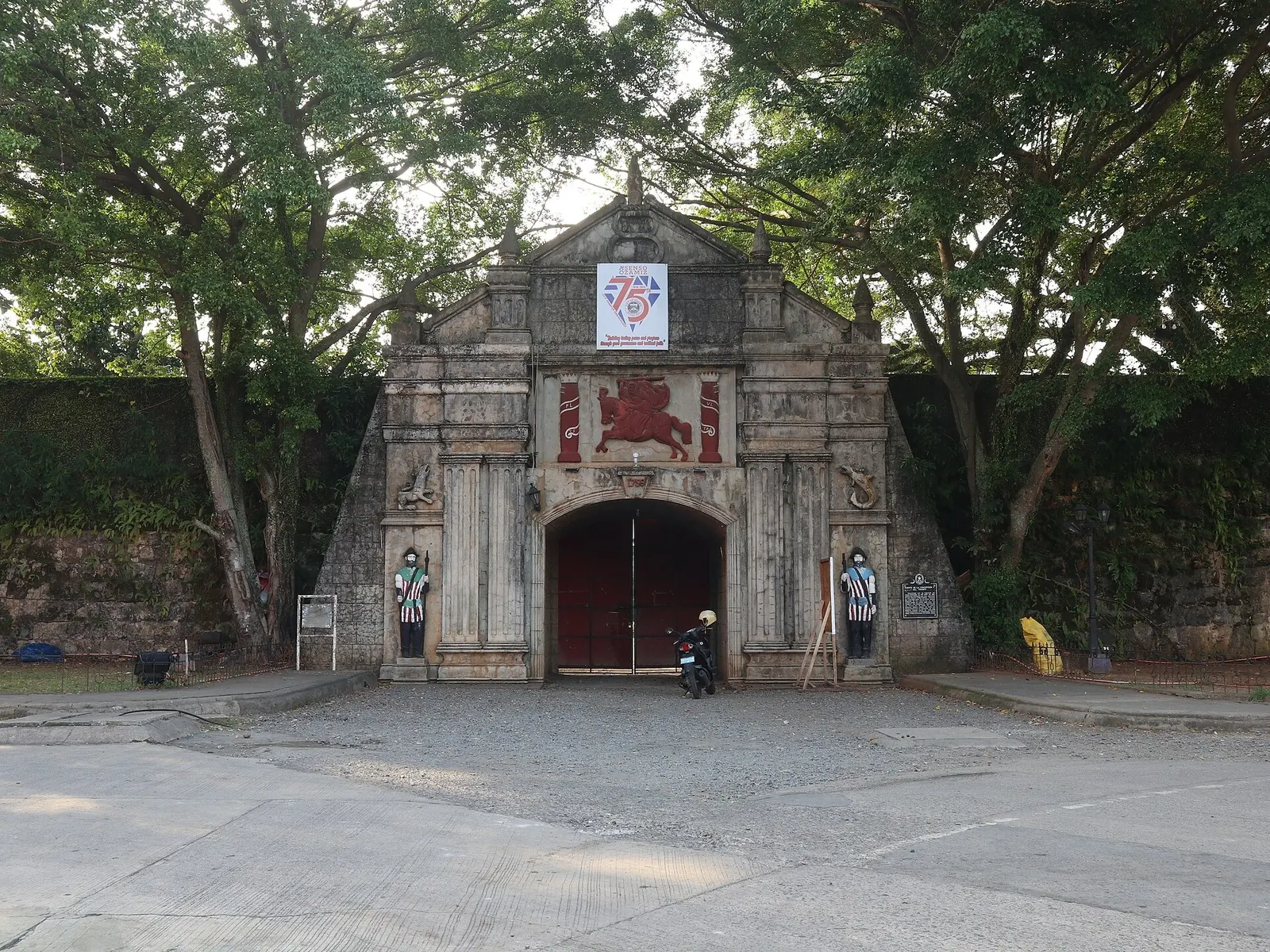
The Cotta in Ozamiz is formally identified by the National Historical Commission as Fuerte de la Concepcion y del Triunfo. Its history includes military use, earthquake damage and religious devotion rather than a single uninterrupted role.
The historical marker dates its construction to 1756. It describes a rectangular fort built from coral material, with four bastions named San Fernando, San Jose, Santiago and San Ignacio.
Read the structure in layers
A bastion is part of a fort’s defensive arrangement, not merely a decorative corner. Looking at the relationship between walls, corners and the surrounding area can help visitors imagine the structure’s original purpose without assuming that every visible element is original.
The commission’s record identifies later use as a Philippine Constabulary headquarters during the American and Japanese periods. It also records earthquake damage in 1955 and restoration in 2002.
Those changes are central to the site’s meaning. A surviving fort is often a record of adaptation and repair. Describing it simply as an eighteenth-century building risks erasing the work that allowed it to remain in use.
A place of devotion as well as defense
The same marker records the veneration of the Immaculate Conception, locally known as the Virgen sa Cota, and the gathering of devotees on July 16. The Cotta’s public life therefore extends beyond military interpretation.
Observe how people use the place before treating it as a backdrop. Religious activity may require quiet, space and limits on photography. A visitor interested in architecture should be able to share the site respectfully with someone who has come to pray.
The fort was declared a National Historical Landmark on March 13, 2002. That designation concerns the particular site; it should not be used as an unsupported claim that every nearby structure has the same legal status.
Read the marker during a visit and compare its chronology with the physical details and any conservation information available. The result is a more grounded encounter with Ozamiz: a fort whose significance lies in the changing needs, memories and devotions of the people around it.
Research note: This regional guide was expanded with AI assistance and checked against the sources below. It is source-based writing, not a claim of first-hand reporting. Confirm current access arrangements before traveling.

Join the conversation
Sign in to comment