
Puerto Princesa’s Underground River: The Forest Behind the Wonder
Palawan’s famous river is more than a cave excursion. Understanding its forest, tides and wildlife makes the journey deeper—and the planning clearer.
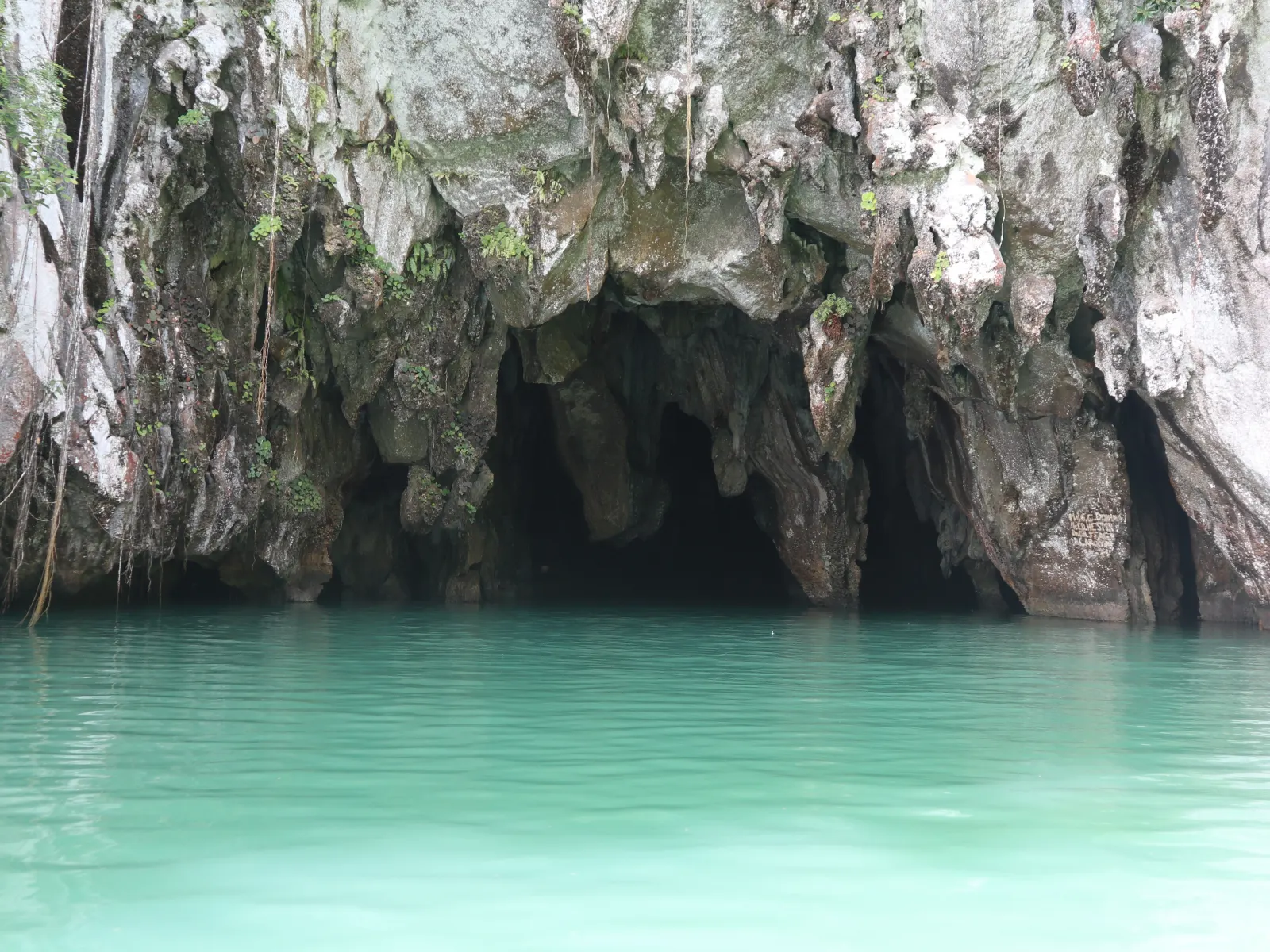
The name points your attention underground. It invites you to imagine a boat, a dark opening and limestone formations overhead. Yet much of what makes Puerto Princesa’s Underground River remarkable is outside the frame: forested slopes, water moving through a watershed, coastal habitats and the sea receiving the river at its mouth.
For travelers coming to Palawan for the first time, the boat trip is an understandable priority. The more rewarding visit begins by recognizing that the cave is one part of a protected landscape. What happens above ground helps determine what can survive below it.
Where the river fits in Palawan
Puerto-Princesa Subterranean River National Park lies on Palawan’s western side, northwest of the city center. It is the protected area commonly associated with the visitor gateway of Sabang, rather than an attraction in downtown Puerto Princesa.
UNESCO’s World Heritage description identifies an approximately 22,202-hectare property containing an 8.2-kilometer underground river. The river reaches the sea directly, with tidal influence and brackish water in its lower portion. The site was inscribed on the World Heritage List in 1999 for its exceptional landscape and conservation significance.
The full length of the river should not be mistaken for the distance included in an ordinary visitor excursion. A system can be extensive while only part of it is appropriate for a guided public route. When comparing packages, ask what the actual boat journey covers instead of reading the headline measurement as a tour promise.
A landscape connected by water
As the U.S. Geological Survey explains, karst is a landscape shaped by the dissolution of rock, commonly limestone or dolomite. The cave’s visible chambers and formations belong to that larger system of water moving through rock. Looking only at individual shapes can obscure the process that connects them.
The Convention on Wetlands’ account of the park describes a linked landscape of limestone caves, mangroves, lowland rainforest and freshwater swamps. It also notes the river’s use by local communities for domestic and agricultural purposes before its water reaches the underground section. The park became a Ramsar Wetland of International Importance in 2012.
This is a different way to value the destination. The river is not a self-contained spectacle switched on for arriving boats. It participates in a living landscape that also supports livelihoods. Protecting the famous chamber while neglecting the watershed would misunderstand the thing visitors came to see.
For a reader used to thinking of a national park as a fenced viewpoint, that connection is especially useful. Conservation boundaries may protect relationships between habitats, not simply a collection of attractive spots within them.
Darkness is habitat
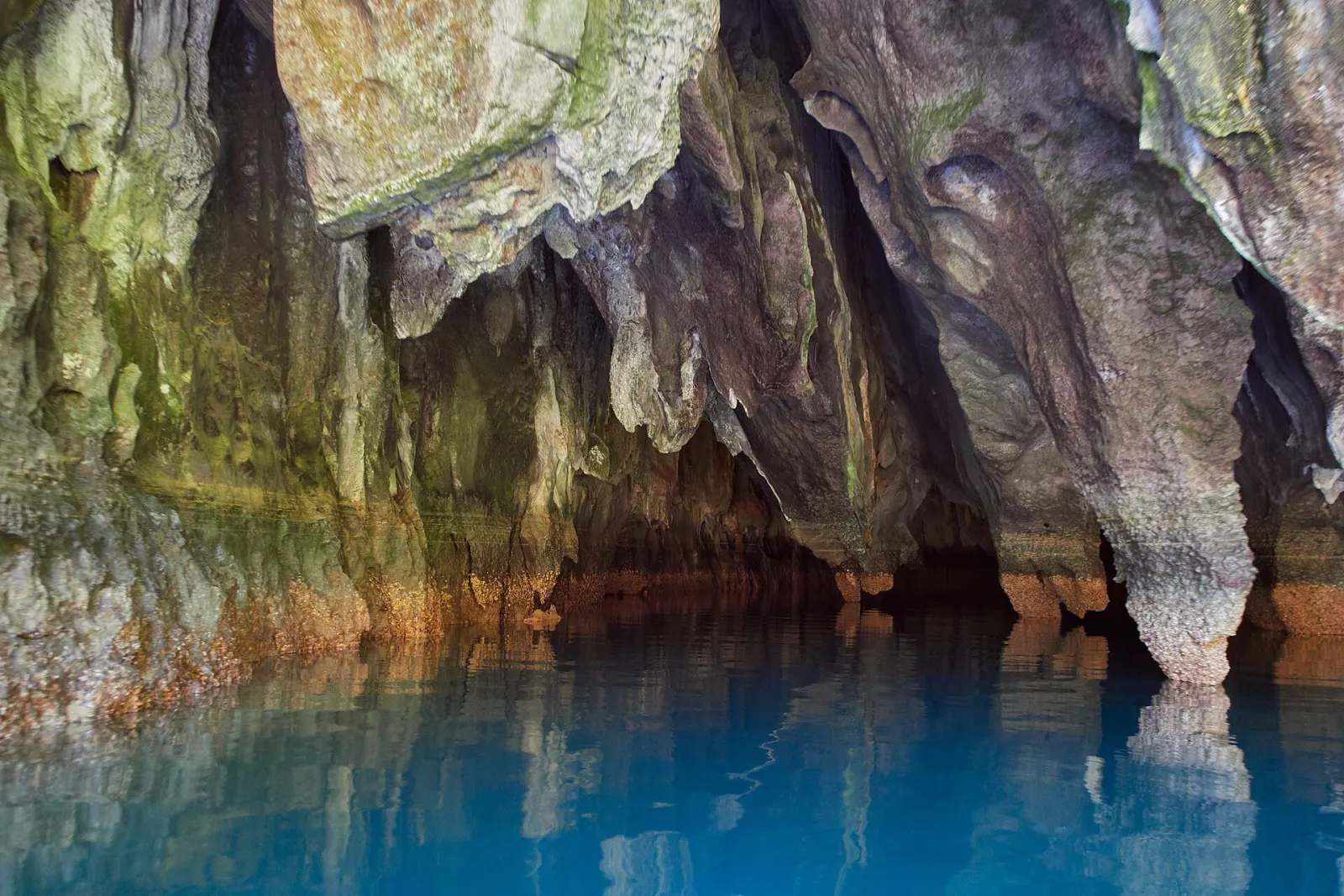
The park’s official website identifies bats and swiftlets among the cave’s wildlife, alongside animals and plants in the surrounding forest. A dark chamber is therefore not empty space waiting for a guide’s light. It is habitat.
The same site describes paddle-boat visits and stresses that weather can prevent operations. A low-impact journey here depends on more than the absence of an engine inside the cave: visitor timing, conduct and numbers also matter.
Listen to the guide’s instructions on lighting, voices and photography. Resist treating every formation as an object that must be touched or approached. The purpose of access is to allow people to experience the place while limiting the effects of that access.
A useful question to carry into the cave is not only, What does that rock resemble? It is also, What lives here, and what changes when people enter? Both can make a trip memorable, but the second helps explain the responsibility attached to it.
The permit is not a minor detail
A park notice issued January 9, 2026 states that entry requires a visitor permit. It specifically warns that staying overnight in Sabang, or going directly to the site, does not guarantee admission. The notice gives a daily capacity of 900 visitors and explains that controlled operating hours help protect bats and swiftlets.
That guidance is more useful than a vague assurance that a hotel is near the attraction. Before paying for an itinerary, establish who will obtain the permit, which date it covers and what happens if it is unavailable. A room reservation, transport booking and park admission are separate things unless your written booking explicitly combines them.
Older online guides may quote different visitor limits or schedules. Use the current park notice and direct confirmation for the intended travel date. Do not assume a number repeated across several blogs is more authoritative than a newer instruction from the people managing entry.
Build a day around the actual journey
Separate the stages of the trip when planning: reaching Sabang, checking the permit and operating status, taking any required transfer, boarding the guided river boat and returning. A single package price can conceal meaningful differences in those arrangements.
Ask where the tour begins and ends. A package starting in the city is not the same as one meeting in Sabang. Confirm what the quoted amount includes, whether meals are provided and how delays or weather cancellations are handled. Leave a margin before an onward flight; a timed attraction is not a promise that the entire transport chain will finish at an exact hour.
If dark enclosed spaces, steps or boarding a small boat may be difficult, explain that before booking. Ask for a description of the actual route and assistance available. A brochure photograph cannot establish accessibility, and a tour operator should not have to guess what a guest needs.
Travel with the expectation that some plans may change. Cancellation in unsuitable conditions is a management decision to respect, not an obstacle to overcome by finding someone willing to make an exception.
The forest deserves part of the visit
The park’s wider environment is worth attention even when the cave is the main reason for coming. The Ramsar account identifies important bird habitat and describes community-based ecotourism as part of the area’s management and livelihood story. A visit can support that work when travelers choose legitimate local services and follow site rules.
Do not feed wildlife to bring it into a photograph. The January park notice specifically warns against feeding or teasing macaques and against carrying items that attract them. Familiarity with visitors does not turn a wild animal into a pet or make close contact harmless.
Ask which activities and paths are currently open. A walk appearing in an old itinerary may be closed for maintenance or conservation. Follow the options confirmed by the park rather than treating a closure as a suggestion.
Bring back more than a photograph of the entrance
The entrance photograph shows a threshold: light on water, rock overhead, darkness beyond. It is a compelling image precisely because it shows only a small part of what is there.
A fuller memory includes the watershed that supplies the river, the tide that reaches into it, the animals for which darkness is home and the people managing a demanding balance between access and protection. Those connections make the Underground River more interesting than any superlative about its length.
The best reason to go is not to collect another destination label. It is to see how a celebrated natural place works—and to leave it able to keep working after the boat returns.
Explore more Philippine destinations.
Reporting note: This AI-assisted, desk-researched feature uses UNESCO, Ramsar and park guidance checked November 6, 2026. Confirm current permits, weather decisions and operating arrangements directly. The photographs are contextual images, not documentation of a visit by the writer.
Join the conversation
Sign in to comment