
Before the Philippines Had a Name, Someone Asked to Be Free of a Debt
What the Laguna Copperplate Inscription tells us about life, power, and connection in tenth-century Luzon.
A person owed a debt. Their family needed proof that it had been cleared.
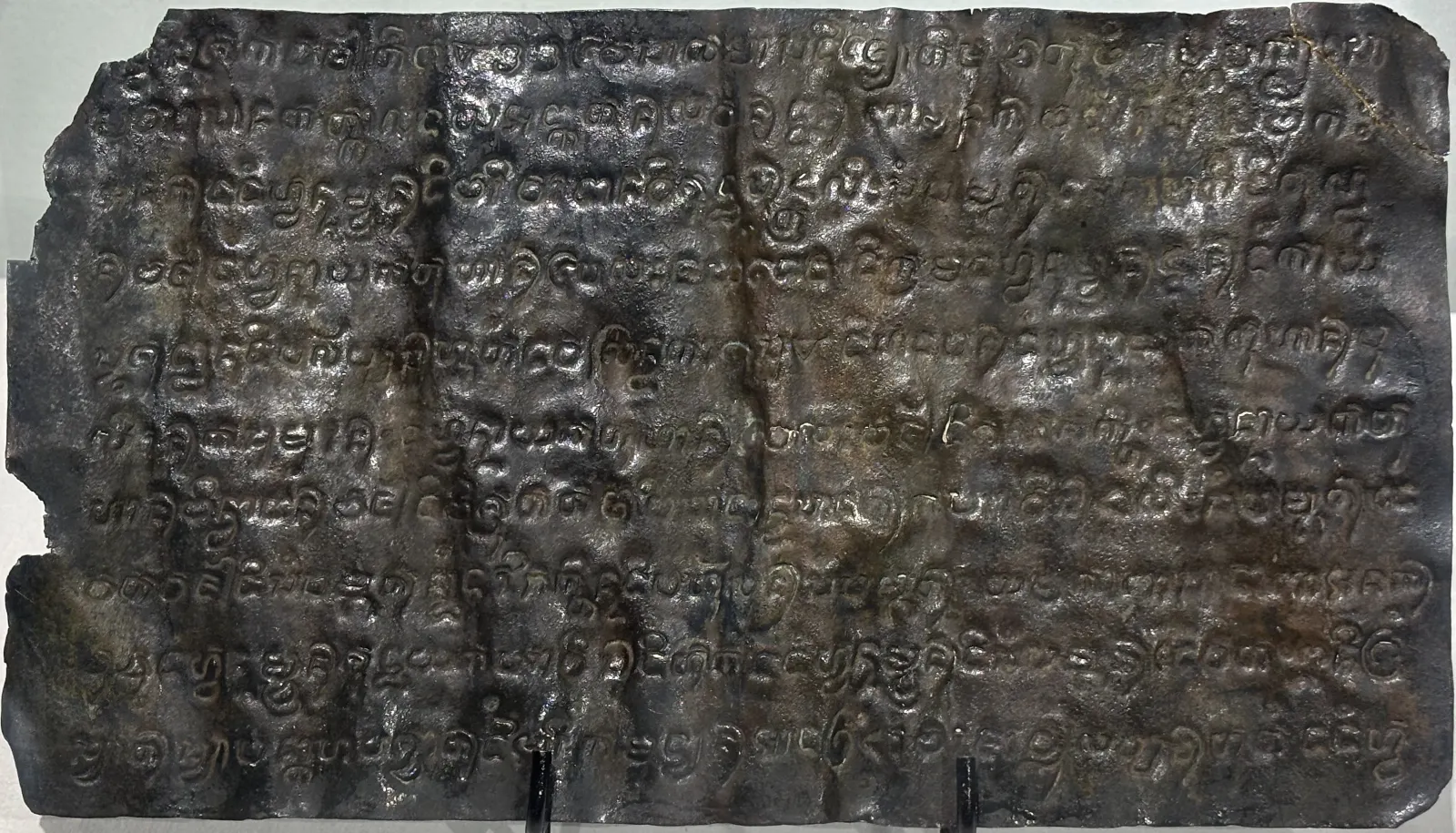
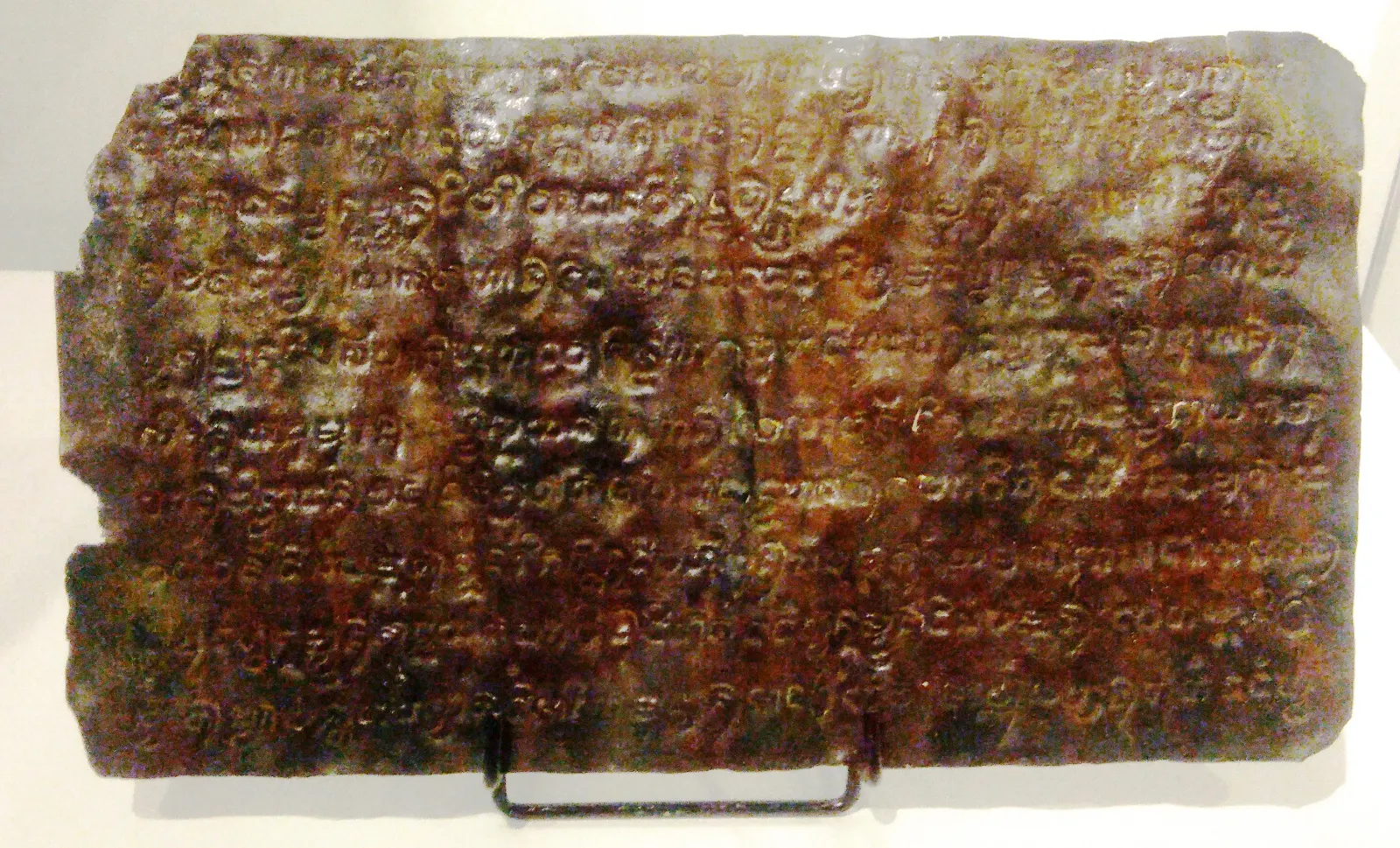
It sounds like the beginning of a dispute that could happen today. Instead, it is the heart of a document issued in Luzon on 21 April 900 CE—more than six centuries before Spanish colonization began. Its words were pressed into a thin sheet of copper that we now call the Laguna Copperplate Inscription. (researchgate.net)
The plate was found during dredging in the Lumbang River, which flows into Laguna de Bay. It eventually reached the National Museum of the Philippines. Researchers regard it as the oldest surviving locally written document found in the country. That description matters: people in the archipelago had lives and histories long before this date. The copperplate is remarkable because some of their own words have survived. (researchgate.net)
What does the inscription say?
In broad terms, it records the clearing of a debt associated with a person named Namwaran. It names members of the family, officials, witnesses, and places including Tundun, Pailah, Puliran, and Binwangan. The document appears intended to settle the matter for the family and protect them if someone later claimed the debt remained unpaid. Scholars still debate parts of its wording and the precise locations of some places it names. (researchgate.net)
The details are less tidy than a simple story of a debt forgiven. In a 2022 study, historians Elsa Clavé and Arlo Griffiths read the text as involving debt bondage and service by members of Namwaran’s family. Their interpretation gives the plate a sharper human meaning: a financial obligation could shape the lives of children and relatives, and written clearance could matter to their future. (researchgate.net)
We do not know everything that happened to this family. We do know that someone considered the resolution important enough to record on metal.
Why is it so important?
First, the inscription gives us a rare glimpse of social life in tenth-century Luzon. There were named individuals, obligations, witnesses, officials, and a way to document that a claim had been resolved. It cannot describe an entire society on its own, but it shows people conducting consequential affairs centuries before the Spanish records through which this period is often viewed. (archium.ateneo.edu, researchgate.net)
Second, it places Luzon within a wider Southeast Asian world. The document uses an early form of Malay and a writing system related to Kawi, with terms and practices that invite comparison with records elsewhere in the region. The National Museum also points to archaeological evidence of maritime contact from this period, including boats found in Butuan. The copperplate is one piece of a much larger history of movement and exchange across the seas. (nationalmuseum.gov.ph, researchgate.net)
Those connections do not mean that Luzon was simply ruled by Java, or that everyone in the archipelago spoke Malay. Clavé and Griffiths argue that a language used for a document could travel across communities without proving migration or foreign political control. The inscription tells us that the people involved drew on a connected regional culture; it does not give us a complete map of who governed every place it mentions. (researchgate.net)
That distinction makes the copperplate more compelling. It asks us to see the ancient past of the Philippines as both local and connected: shaped by people living around Laguna de Bay and by ideas that moved through Southeast Asia.
We often begin Philippine history with the arrival of outsiders who wrote about the islands. The Laguna Copperplate Inscription asks us to begin another way—with a family, a debt, and a written record made by people who were already here.
The plate does not tell us everything about them. It tells us enough to know that their history was never waiting to begin.

Join the conversation
Sign in to comment