
Bulacan: Places That Shaped a Nation
Malolos and Biak-na-Bato preserve distinct chapters of the struggle for independence.
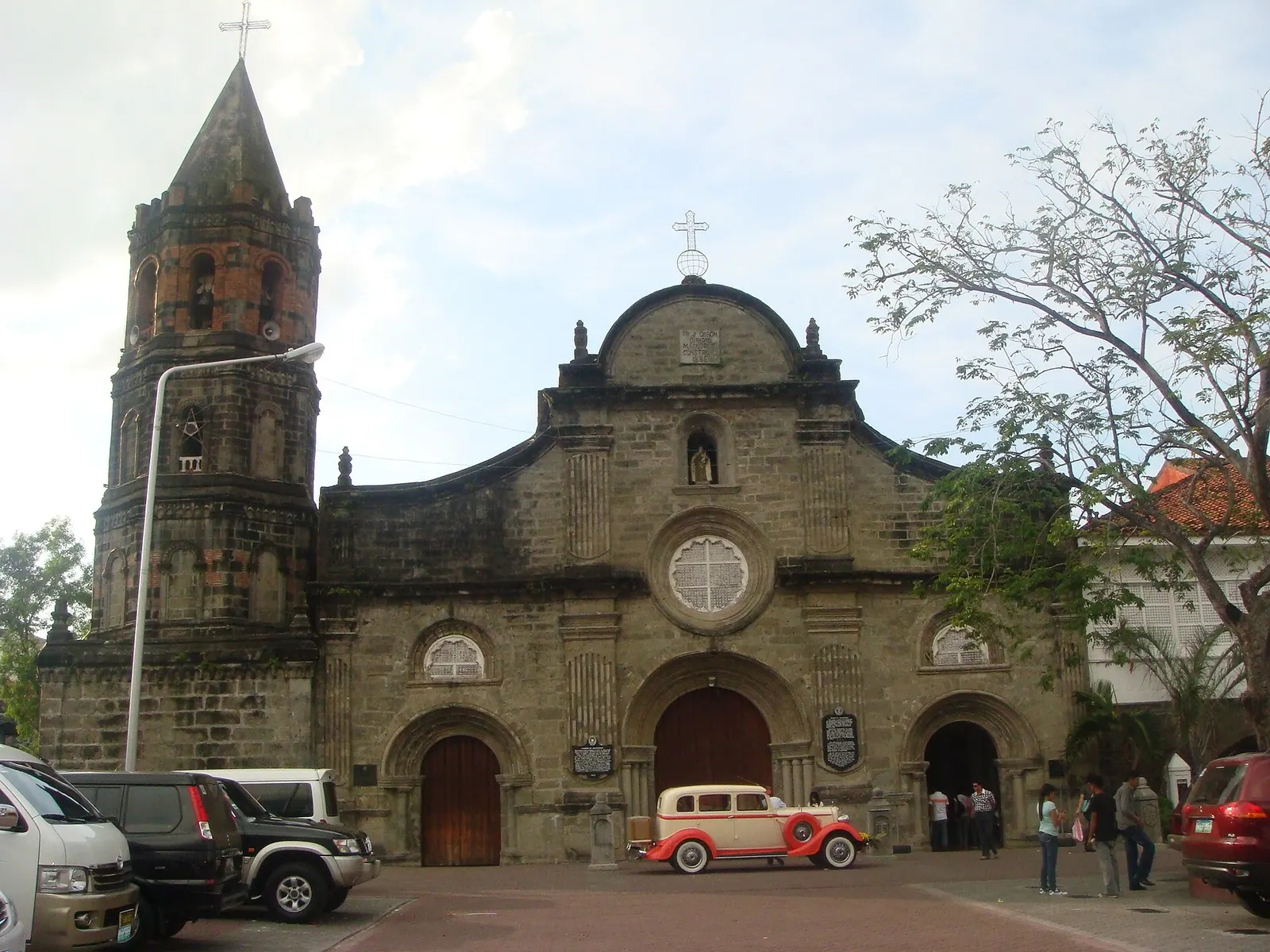
Bulacan’s history is closely connected with the Philippine Revolution and the formation of a republic. Its towns preserve sites associated with political organizing, writing and the work of figures such as Marcelo H. del Pilar and Gregorio del Pilar.
Biak-na-Bato in San Miguel belongs to the revolutionary story of 1897. Malolos represents a later chapter: Barasoain Church hosted the revolutionary congress, and the Malolos Constitution was ratified in 1899. These are related events, but they belong to different places and moments.
The province’s heritage also lives beyond its historic buildings. Craft traditions, local food and town celebrations connect national history with daily life. Bulacan can be read through both: the landmarks where major decisions were made, and the communities that continued around them.
Join the conversation
Sign in to comment