
Leyte: Remembering the Return
The landing at Palo, naval battles offshore and a temporary government headquarters tell related but distinct stories of October 1944.
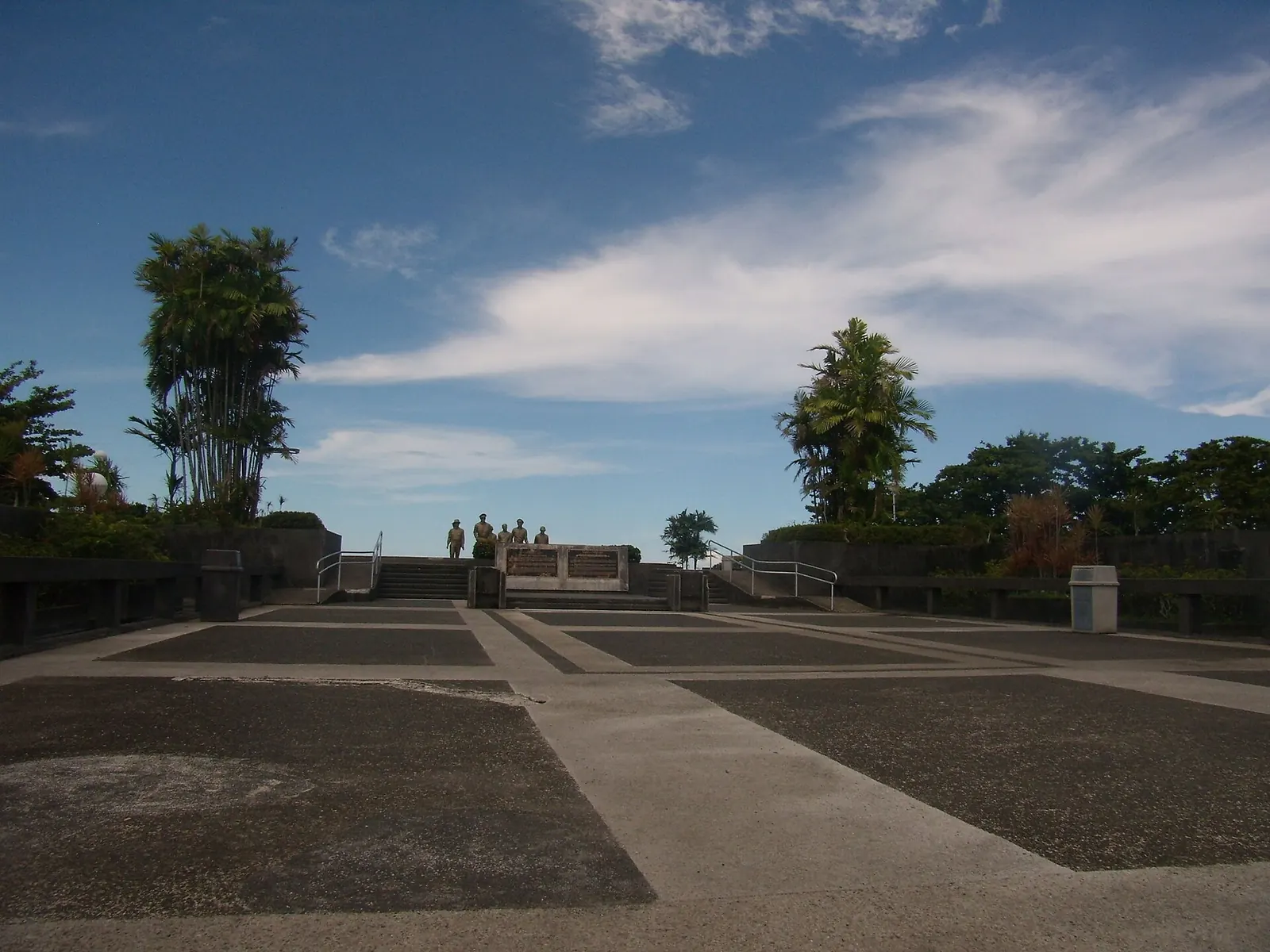
The familiar scene of Douglas MacArthur returning to the Philippines belongs to October 20, 1944, at Leyte. The historical marker at the landing site in Palo records the presence of President Sergio Osmeña and the restoration of the Commonwealth government on Philippine soil.
A memorial visit becomes more informative when this political history is considered alongside the military image. The return involved a government as well as a general.
The landing was a beginning
October 20 was not the end of the war in the Philippines. The Battle of Leyte Gulf followed on October 23–26, encompassing several separate naval engagements.
The National WWII Museum’s account identifies actions in the Sibuyan Sea, Surigao Strait, off Samar and off Cape Engaño. The name “Leyte Gulf” should therefore not be read as though every engagement occurred immediately in front of the Palo landing memorial.
A map is especially useful here. Mark the landing, then locate the waters associated with the naval battles. The distances explain why a single photograph or monument cannot represent the whole operation.
A house and the work of government
Tacloban adds a smaller-scale site to this large military narrative. The National Historical Commission’s marker for the Provisional Capitol identifies the Price house, built in 1910 and enlarged in 1936, as a temporary provincial-government headquarters from October 20 to 23, 1944.
Its short period of official use gives the story a practical dimension: government required rooms, documents and places to work while fighting continued. The historical significance of a building does not depend only on the length of time it served a purpose.
When visiting memorials, distinguish the date of an event from the date a marker or monument was installed. Later commemorations show how the event has been remembered, not what the site looked like during the fighting.
A thoughtful Leyte itinerary can connect Palo and Tacloban while leaving room for museums and local accounts. It should preserve the scale of the history: a decisive return, followed by battles and recovery whose human consequences extended far beyond the landing beach.
Research note: This regional guide was expanded with AI assistance and checked against the sources below. It is source-based writing, not a claim of first-hand reporting. Confirm current access arrangements before traveling.
Join the conversation
Sign in to comment