
Negros Oriental: Life beside the Water
Apo Island’s marine conservation history shows why a reef visit is also a visit to a community.
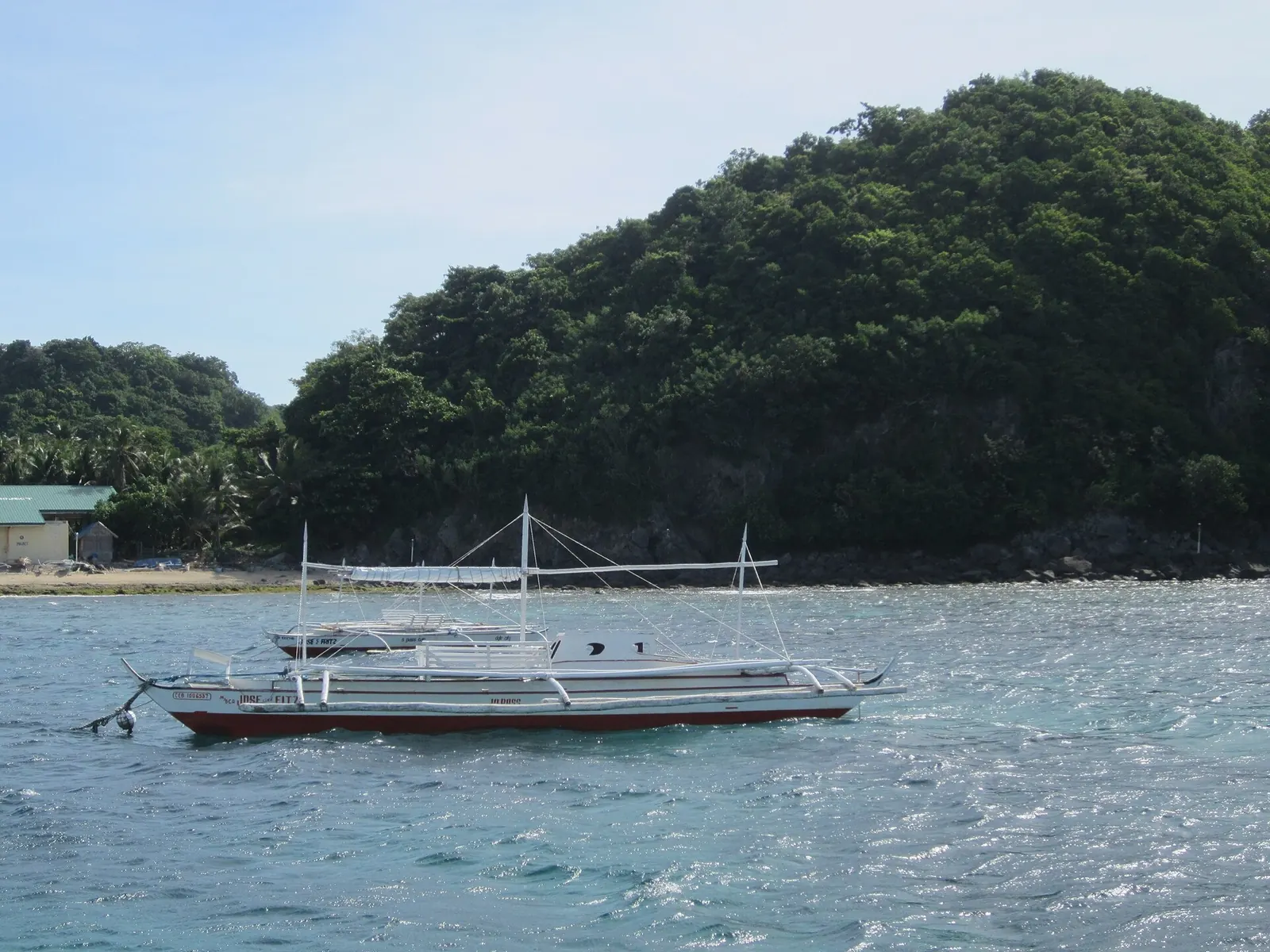
Apo Island, off Dauin in Negros Oriental, is closely associated with the marine-conservation work of National Scientist Angel C. Alcala. It should not be confused with Apo Reef in Occidental Mindoro: the similar names refer to different places.
Silliman University’s account of a memorial marker unveiled on Apo Island in December 2024 connects Alcala’s work with the establishment of its marine protected area in 1982. The island later received national protected-landscape-and-seascape status in 1994.
Protection has a history
Alcala’s work brought scientific study into conversation with coastal communities. The university’s account also identifies his earlier work at Sumilon, showing that Apo Island was part of a broader effort to demonstrate the value of marine protection.
A reef is therefore more than the underwater scenery offered on a boat trip. Protected areas involve decisions about access, fishing, enforcement and the distribution of benefits. Understanding those arrangements adds substance to a visit.
Research published through Silliman University distinguishes the conservation purpose of marine protected areas from their subsequent use as tourism destinations. Tourism can support local livelihoods, but a site’s popularity should not displace the ecological purpose for which protection was established.
What a visitor can contribute
Begin with the local briefing. Ask which areas are open, where entry is permitted and how guides expect swimmers or divers to move around the reef. Paying an entrance or guide fee does not create permission to enter every part of a sanctuary.
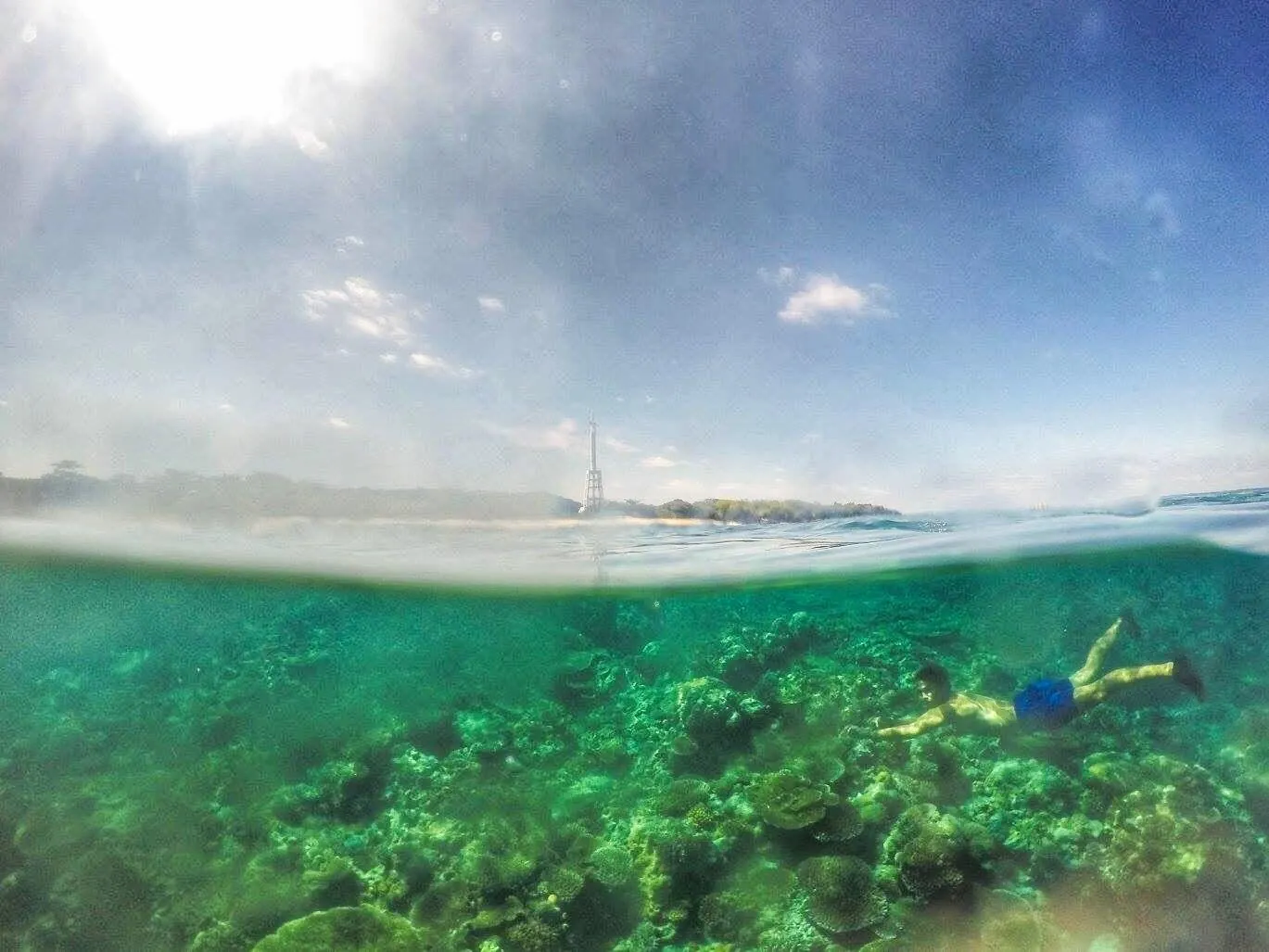
Choose an activity suited to your ability. Floating quietly with control is more valuable than getting close enough for a photograph that requires standing on coral or pursuing an animal. Wildlife encounters are observations, not appointments.
On shore, give the community the same attention as the water. Ask how protection affects daily work and how visitor fees are used, while recognizing that residents are not obliged to turn ordinary life into a performance.
Apo Island’s importance lies partly in this relationship between people and conservation. Its reef can be admired in a short visit; its history asks travelers to consider how that experience is maintained over decades.
Research note: This regional guide was expanded with AI assistance and checked against the sources below. It is source-based writing, not a claim of first-hand reporting. Confirm current access arrangements before traveling.
Sources
Silliman University: Alcala memorial marker and Apo Island’s conservation history
Silliman Journal: research on marine protected areas and tourism in Dauin

Join the conversation
Sign in to comment