
Occidental Mindoro: Reefs, Mountains and the Tamaraw
Apo Reef and the mountains of central Mindoro reveal why conservation here must account for both water and land.

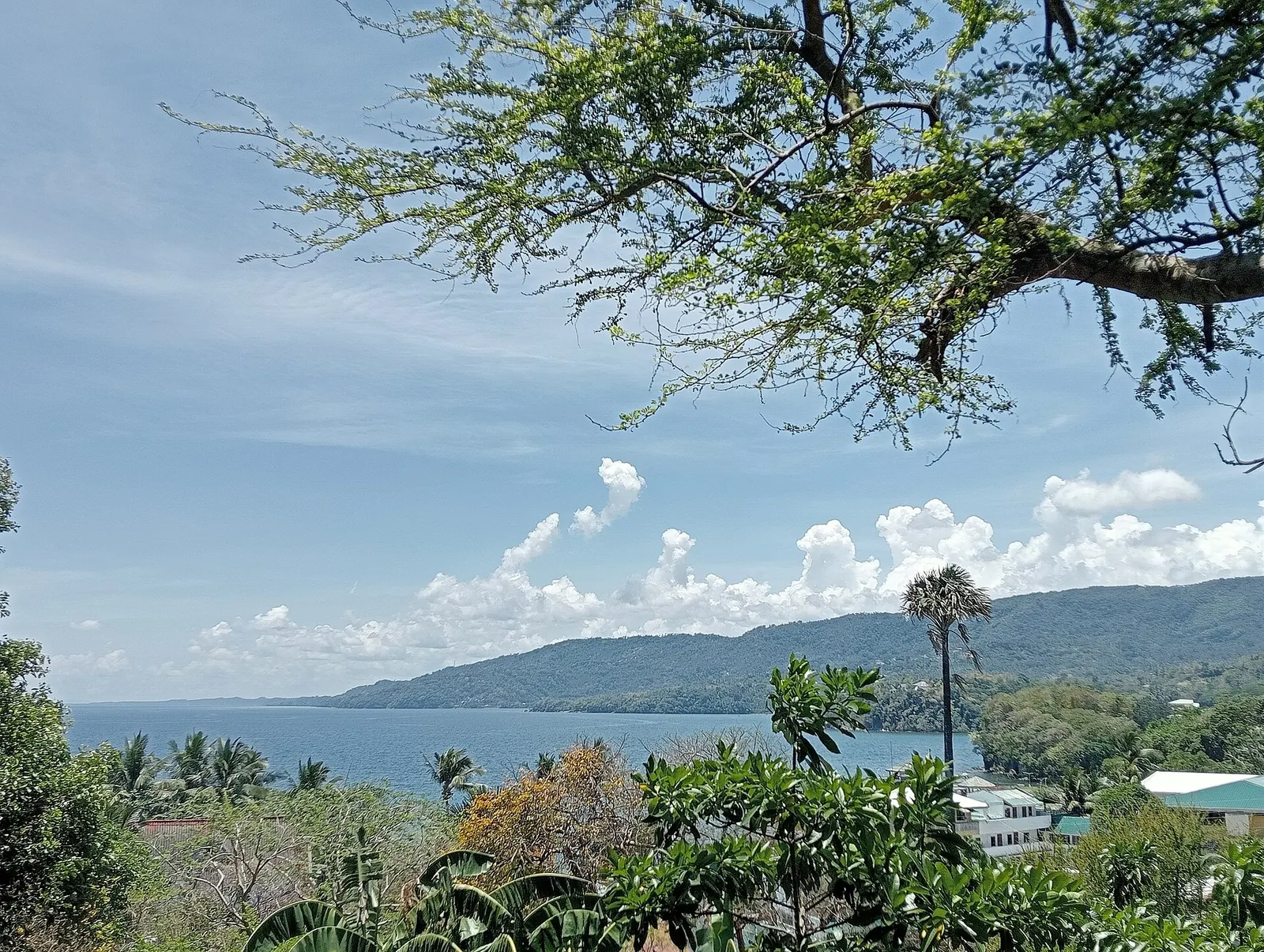
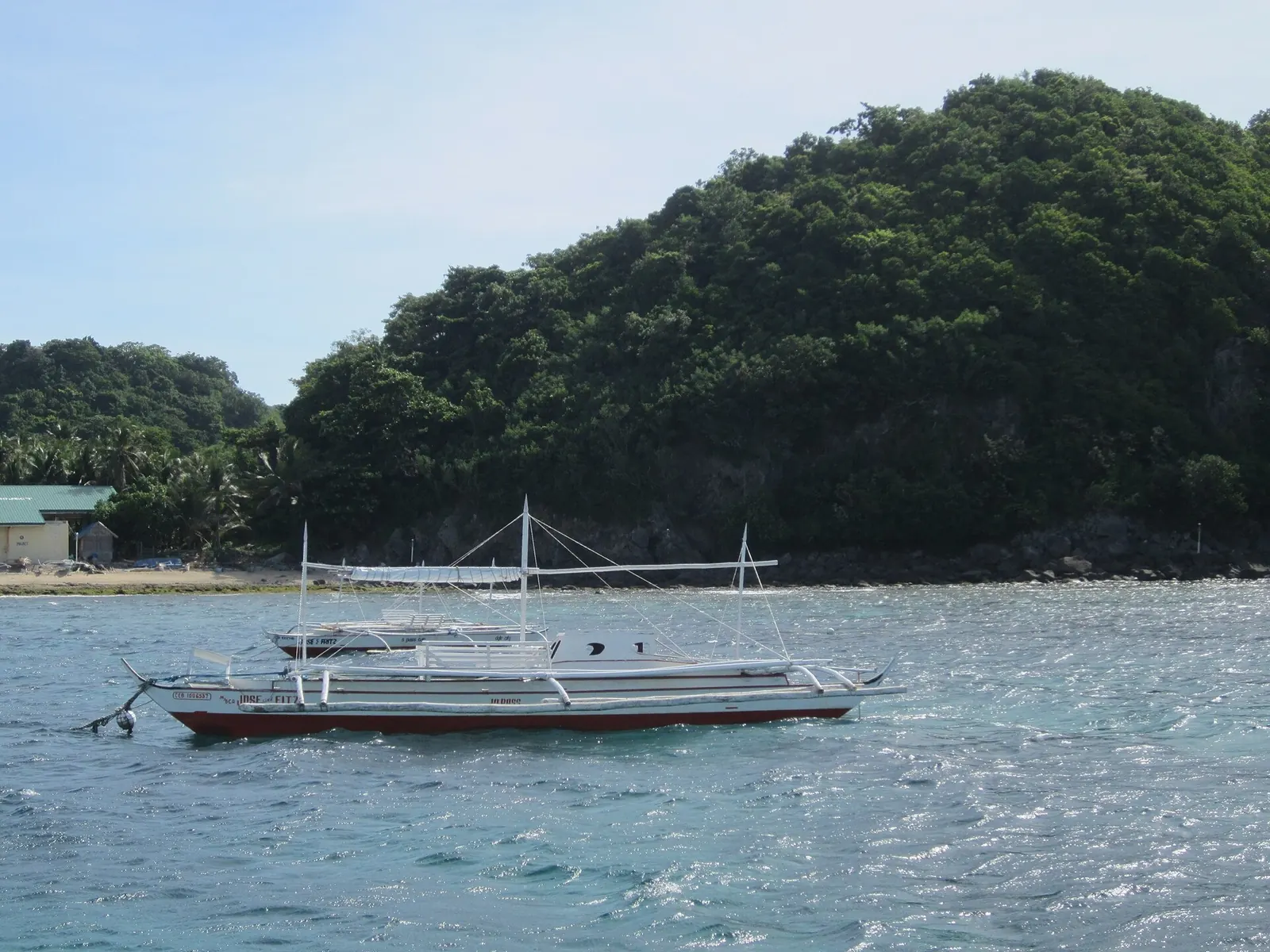
Two protected landscapes help explain Occidental Mindoro without reducing it to a beach itinerary. Off Sablayan, Apo Reef contains submerged reef structures, channels and small islands. Inland, the Mounts Iglit-Baco landscape is associated with the tamaraw, the wild buffalo endemic to Mindoro.
The connection is not a promise that a traveler can see both in a single excursion. Reef visits and access to a mountain wildlife habitat require different arrangements. They also demand different expectations: an offshore photograph and a view of a rare animal are not interchangeable tourism products.
What “Apo Reef” describes
The Philippine submission to UNESCO’s Tentative List describes two reefs separated by a channel, with only small portions of the wider formation visible above the water. Mangroves and lagoons are part of the environment as well. The name therefore covers considerably more than an island where a boat might stop.
This is a useful lesson in reading a seascape. The visible shore is only one part of a larger system. Ask a guide to explain the reef’s layout and the day’s permitted activities before deciding where to swim or dive. Conditions, experience and the protected area’s instructions should determine the plan, rather than the expectation of reproducing a particular photograph.
A habitat, not a wildlife guarantee
The Iglit-Baco protected landscape crosses Occidental and Oriental Mindoro. Its conservation importance includes tamaraw habitat and the watersheds of central Mindoro. The UNESCO submission dates from 2006; figures in that document should not be treated as a current animal census.
For a visitor, the key question is how a visit supports protection without creating pressure to approach wildlife. Seek current advice from protected-area managers, and do not interpret a species’ presence in a park as a guarantee of an encounter. A habitat can be important even when its best-known animal remains unseen.
Both Apo Reef and Mounts Iglit-Baco appear on the Philippines’ UNESCO Tentative List. That means they have been proposed for possible World Heritage consideration; it does not mean they are inscribed World Heritage properties. Their existing conservation value stands on its own. Accurate language helps readers understand what each designation actually says.
Research note: This regional guide was expanded with AI assistance and checked against the sources below. It is source-based writing, not a claim of first-hand reporting. Confirm current access arrangements before traveling.

Join the conversation
Sign in to comment