
Davao del Norte: Beyond the Banana Country
Samal’s Monfort bat colony reveals a connection between wildlife protection and the fruit-growing landscape.
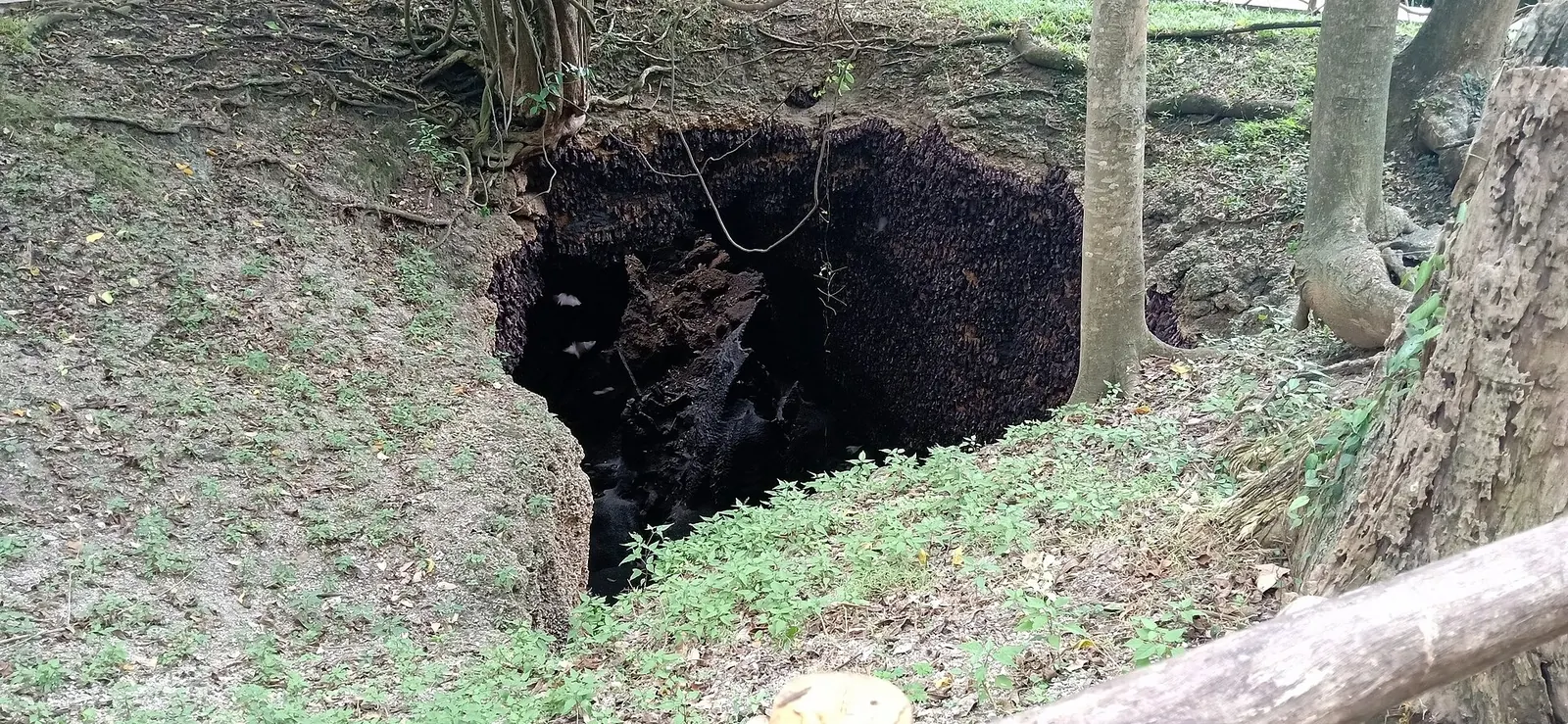
A visit to Davao del Norte can move beyond the familiar image of agricultural plantations to the animals that help sustain tropical ecosystems. On Samal, Monfort Bat Cave is associated with a large colony of Geoffroy’s rousette fruit bats.
Bat Conservation International’s reporting describes a 2006 survey by Merlin Tuttle and David Waldien and the conservation work of Norma Monfort. The survey estimated roughly 1.8 million bats at the time. That historical estimate should not be presented as a current census.
A roost is part of a wider landscape
The organization’s conservation reporting connects the colony with the ecological importance of pollination and seed dispersal. These functions help explain why protecting a cave can matter beyond the cave entrance.
A fruit bat is not valuable only when it can be seen by tourists. Its movements connect a resting place with the plants and landscapes where it feeds. Disturbance at a roost can therefore affect a relationship that extends well outside a visitor site.
The reporting also describes conservation recommendations and educational interpretation developed with Monfort. Those efforts shift the emphasis from the spectacle of a large number of animals to the management needed to protect them.
Watch without changing the scene
Follow the sanctuary’s current viewing instructions. Remain in permitted areas, keep noise low and obey restrictions on lights, flash and entry. Do not approach or handle bats, and do not try to provoke movement for a dramatic photograph.
Ask a guide how the colony is monitored and how visitor access is managed. If a population figure is quoted, ask when and how it was estimated; wildlife numbers are observations made at a particular time.
Plan the Samal crossing and sanctuary visit around confirmed transport and opening arrangements rather than an old itinerary. An educational stop may fit alongside other island activities, but the animals’ rest should determine how the stop is conducted.
The most lasting part of a Monfort visit may be a changed understanding of fruit landscapes. Agriculture and wildlife are not separate worlds: the cave offers one way to see the connections.
Research note: This regional guide was expanded with AI assistance and checked against the sources below. It is source-based writing, not a claim of first-hand reporting. Confirm current access arrangements before traveling.
Sources
Bat Conservation International: Norma Monfort and the cave’s conservation history
Bat Conservation International: Bats magazine, Winter 2011, Philippine conservation partnership
Join the conversation
Sign in to comment