
Kalinga: An Inked Tradition
Batok connects the body to memory, identity and the skill of the tattoo artist.
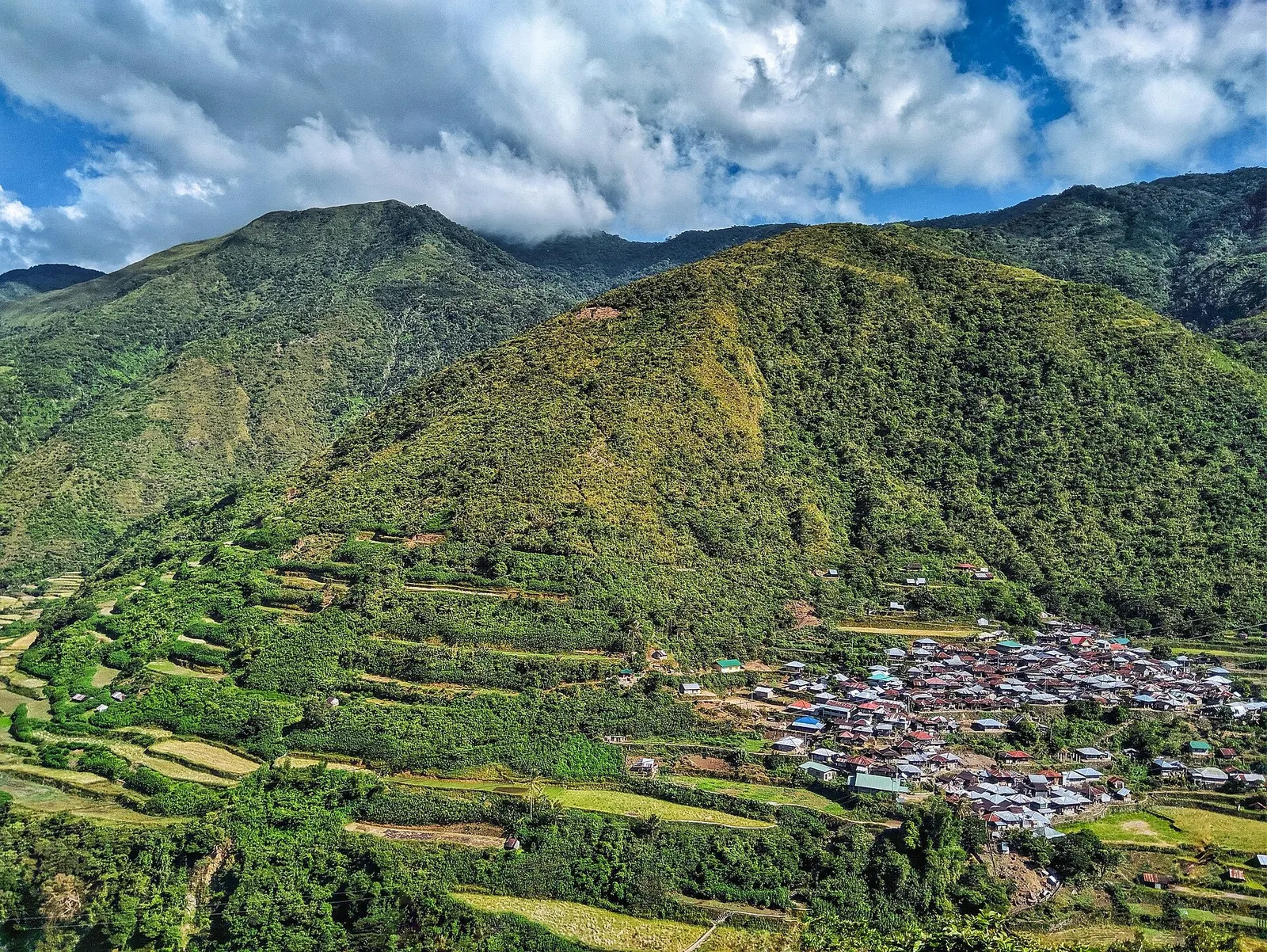
Kalinga’s tattoo traditions are among the most recognizable expressions of Cordilleran heritage. Known as batok, the practice uses hand-tapped techniques and designs whose meanings are rooted in particular communities and histories.
Whang-Od of Buscalan helped bring wider attention to this tradition. Her name is closely associated with the work of the mambabatok, but the art is also a story of transmission, as skills and patterns pass between practitioners and generations. Tattoos should not be reduced to decorative souvenirs detached from that setting.
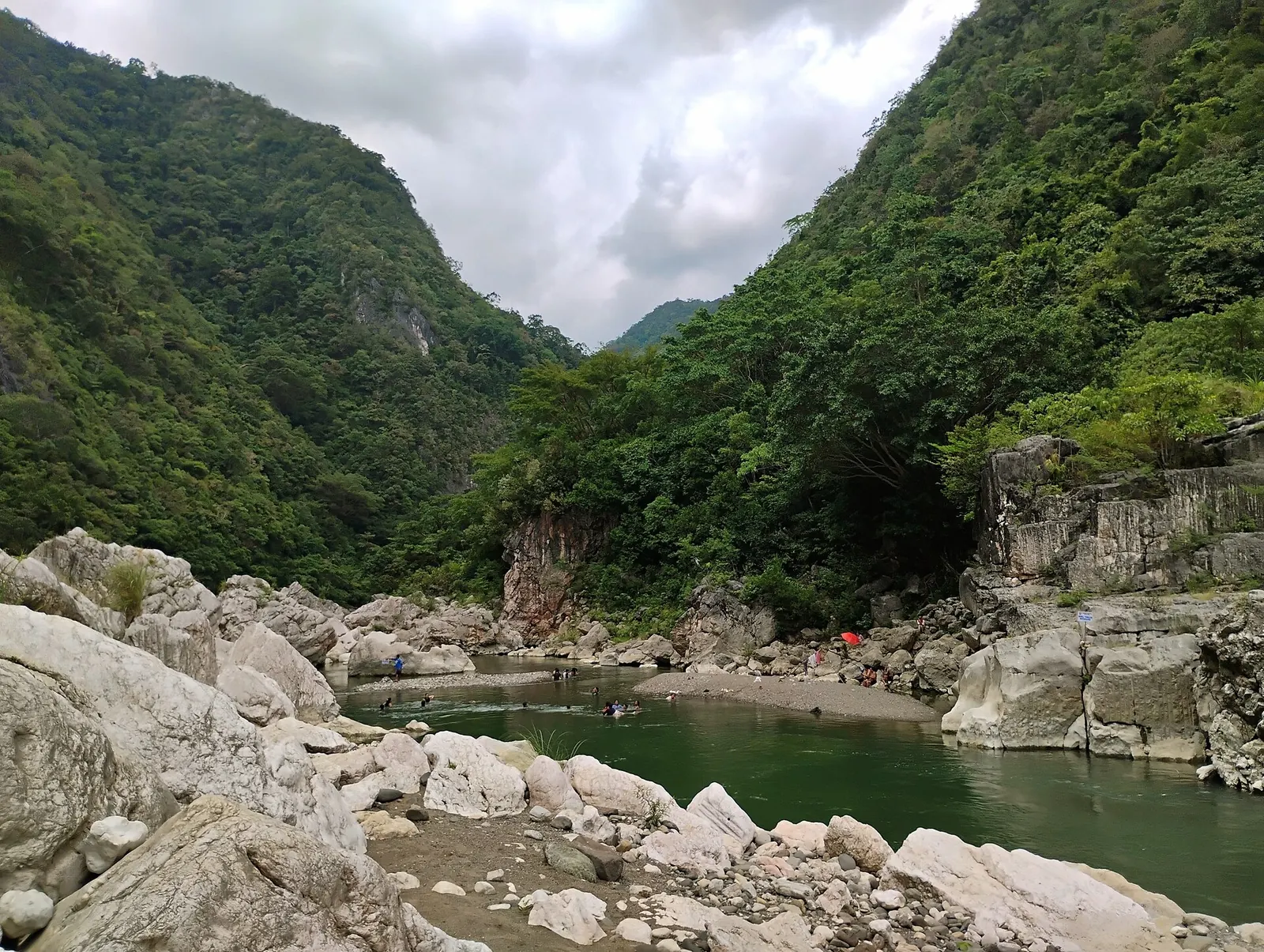
Beyond Buscalan, Kalinga’s rivers and mountains provide another introduction to the province. The Chico River winds through a landscape of settlements and cultivated land, where cultural life is expressed not only through ink, but through everyday relationships with place.
Further reading
Needles? This 95-Year Old Tattoo Artist From The Province Just Needs A Thorn And A Bamboo Stick.
Join the conversation
Sign in to comment