
The Spoliarium Is Still Waiting for Us
More than a century after Juan Luna’s painting won acclaim in Madrid, it stands before a new generation of viewers. What do we see when we stop to look?
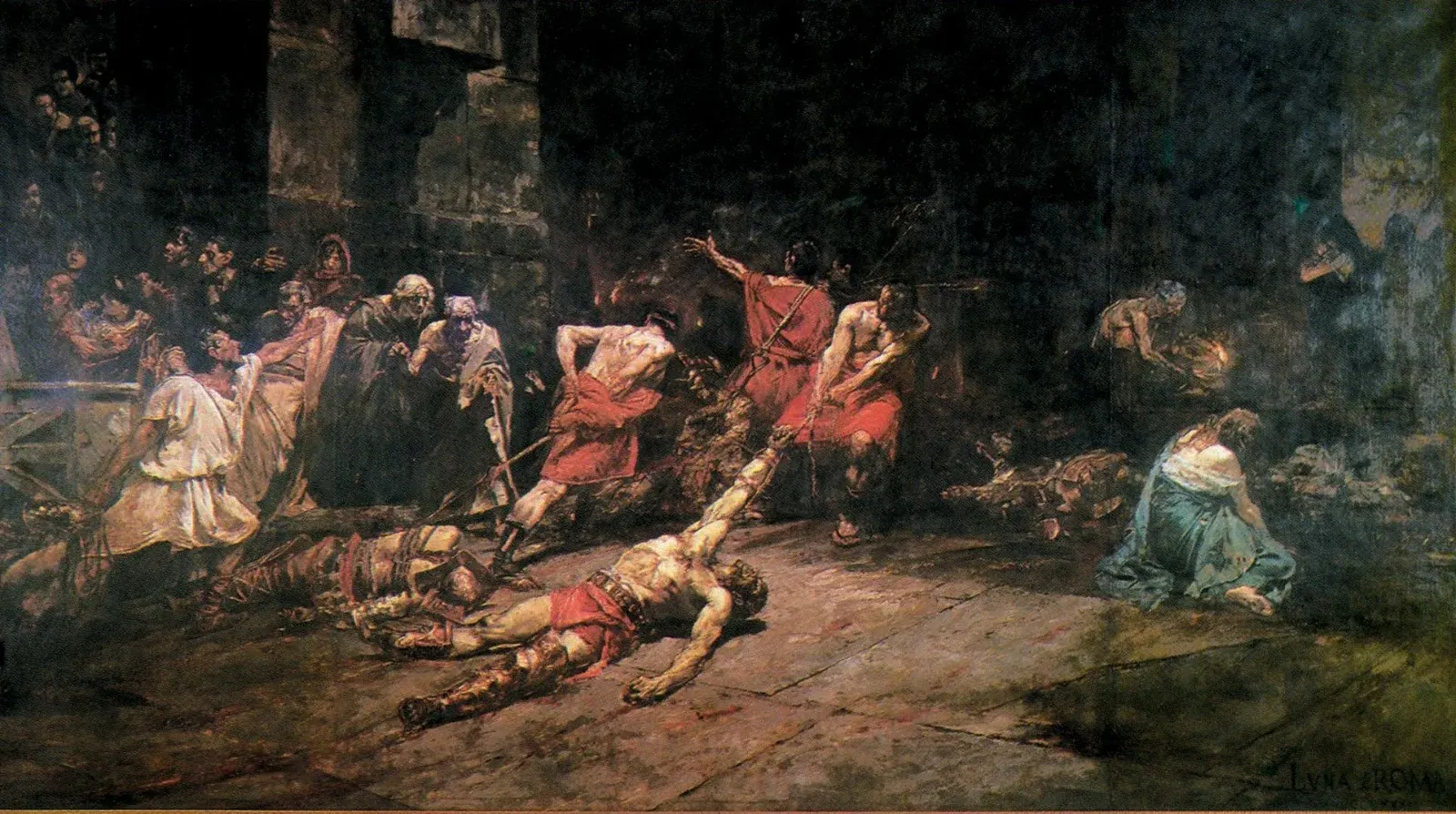
Some works of art become familiar long before we encounter them. We see them in textbooks and hear about them in classrooms. We learn the name Spoliarium, the name Juan Luna, and the achievement that usually follows: the painting won a gold medal at the 1884 Madrid Exposition of Fine Arts.
But knowing a painting’s story is different from standing before it.
Today, Spoliarium hangs in its own hall at the National Museum of Fine Arts in Manila. The applause of Madrid is long gone. What remains is the canvas itself—and whatever time we are willing to give it.
Luna painted the aftermath of a spectacle: fallen gladiators dragged away after their suffering had entertained a crowd. At first, the scale of the work can command our attention. Stay longer, and another question emerges. What happens to the people once the audience has finished watching?
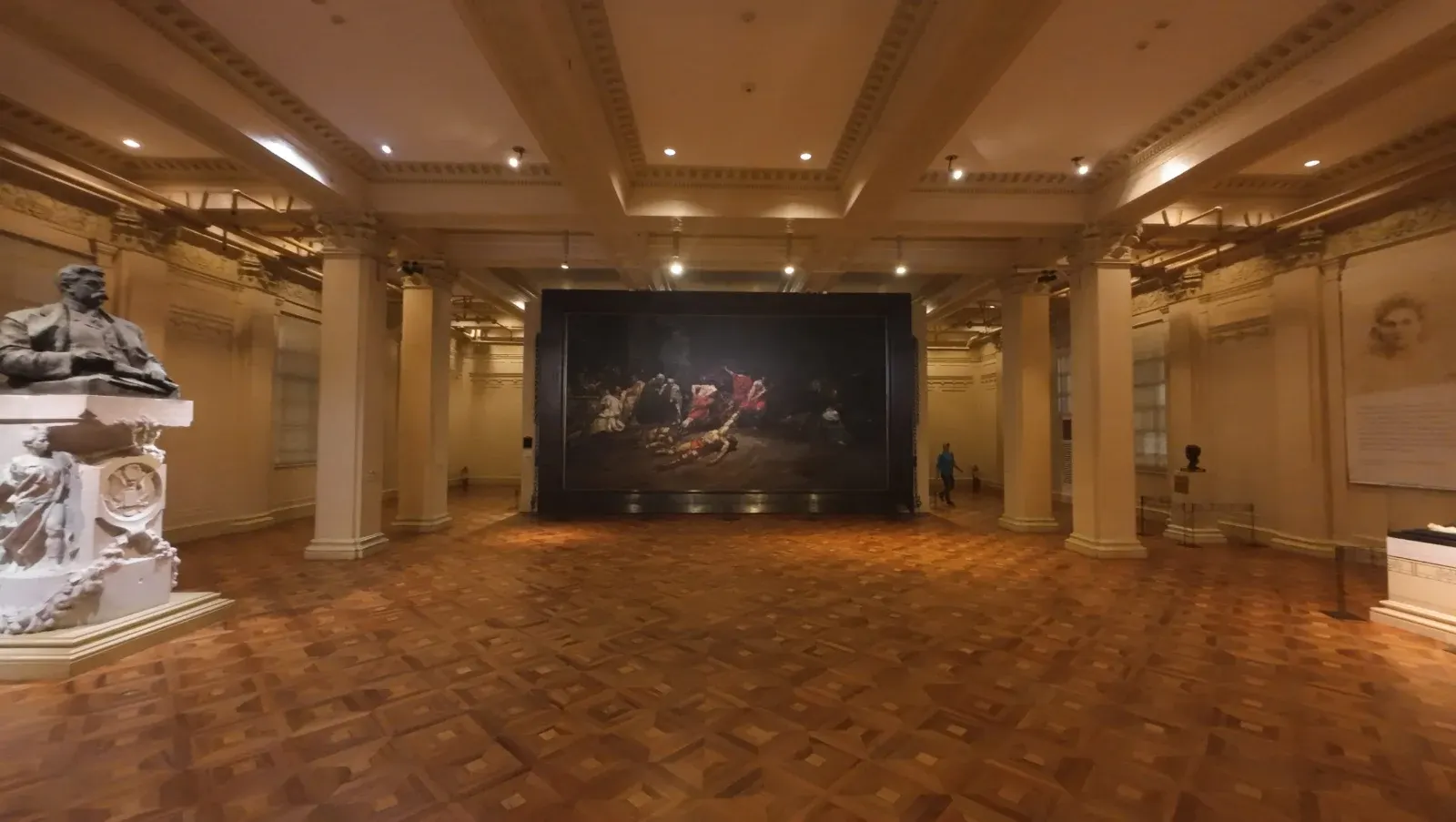
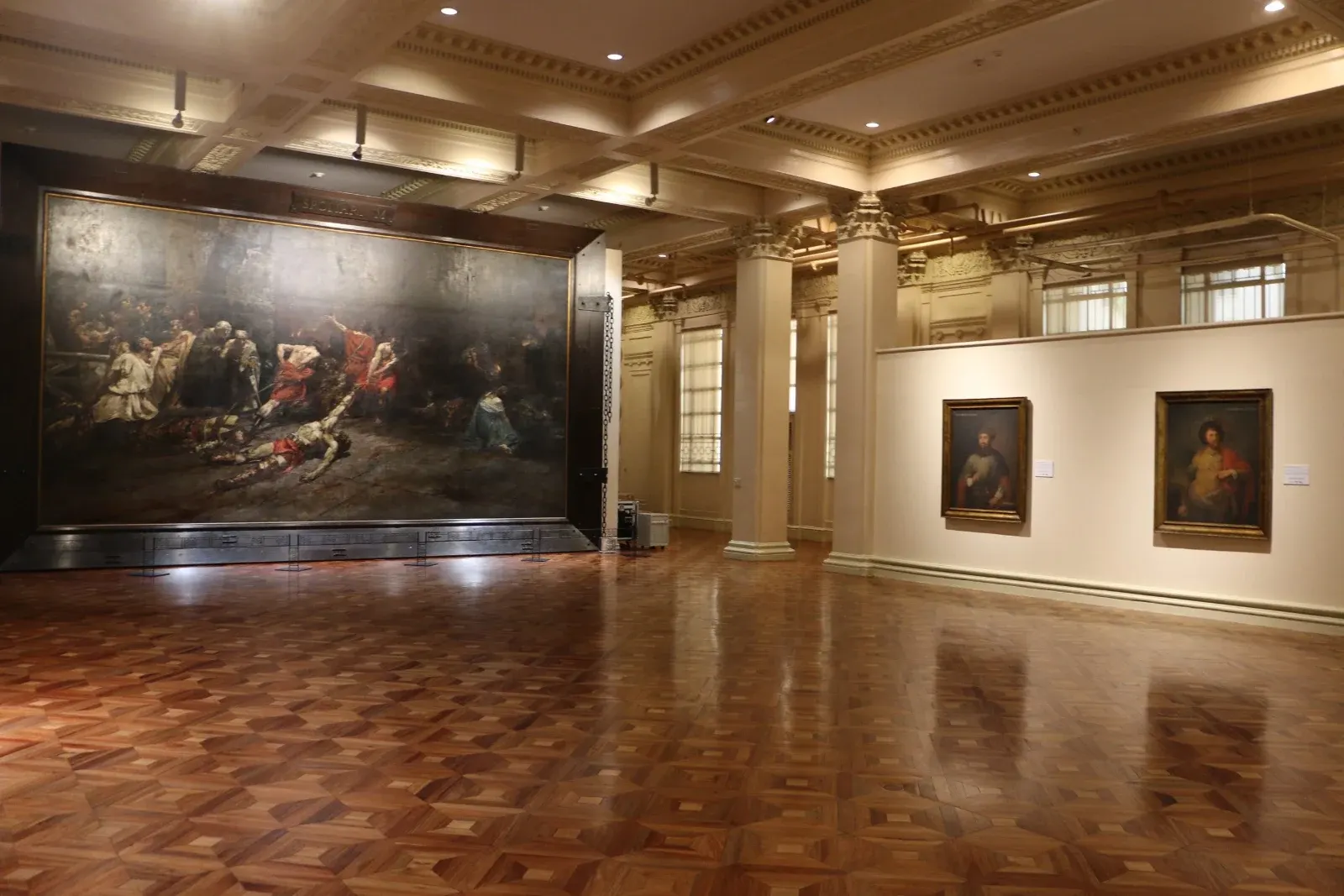
That question keeps Spoliarium alive. One visitor may see a scene from ancient Rome. Another may think of a Filipino artist whose talent was recognized in Europe. Someone else may see something painfully current: how easily a society can turn suffering into a spectacle, then look away from the people left behind.
The medal matters. It marks an extraordinary achievement by Luna. Yet if the award is all we remember, the painting becomes a trophy we have learned to name without learning to see.
Spoliarium has not disappeared. It is there, waiting for each visitor to bring new questions to it—about dignity, violence, recognition, and whose humanity we notice after the spectacle ends.
Madrid once celebrated the painting. The next conversation belongs to us.



Join the conversation
Sign in to comment