
Pampanga: A Cuisine of Its Own
Sisig offers a starting point for exploring Kapampangan cooking, provided one famous dish is allowed to open a wider conversation.
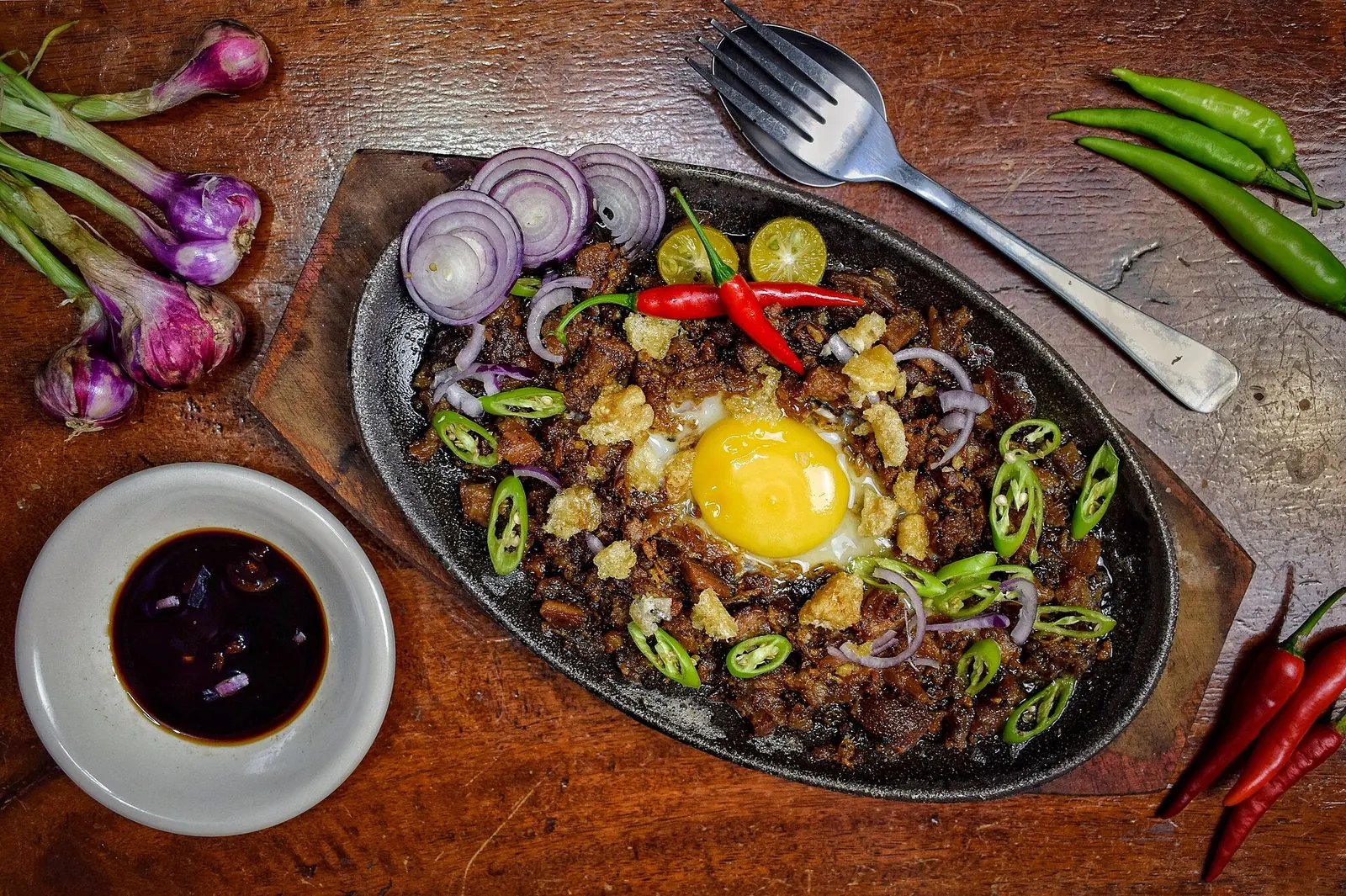
Sisig’s reputation can make a first-time visitor feel that a Kapampangan food trip has already been decided: find a sizzling plate and order it. A more rewarding approach is to ask how a particular cook’s version is made and what history the restaurant attaches to it.
Angeles City’s tourism office describes a preparation using parts of the pig’s head and liver, seasoned with onion, calamansi and chili. It credits Lucia Cunanan, known as Aling Lucing, with reinventing the dish in the form associated with a hot plate. That is a specific contribution to an evolving food tradition, not a reason to claim that every earlier use of the word sisig began with her.
Compare preparations, not slogans
Texture, sourness, heat and serving temperature provide practical ways to compare plates. Ask what is cooked separately, when the seasoning is added and which ingredients distinguish the kitchen’s version. Avoid assuming that a familiar menu name guarantees mayonnaise, egg or any other addition.
The city also records a Sisig Festival launched in 2003. A festival helps explain a food’s public identity, but an annual celebration and the everyday work of preparing a dish are different parts of the story. A cook’s explanation can add something that a promotional label cannot.
Food as social history
Angeles’s built-heritage guide identifies the Museo ng Kasaysayang Panlipunan ng Pilipinas as a place interpreting everyday life, including food, clothing and music. That offers a useful companion to a meal: cuisine can be considered alongside the homes, work and social settings in which it develops.
For a visitor, a manageable plan is to choose a few dishes with clear differences and leave time to ask about them. Sharing smaller portions can make comparison easier. Check ingredients directly when dietary restrictions or allergies matter; a regional reputation cannot substitute for an answer from the kitchen.
Pampanga’s culinary identity becomes more substantial when it is connected to named makers, specific techniques and changing habits. The goal need not be to declare the “best” plate. It can be to understand why two cooks working within the same tradition make different and deliberate choices.
Research note: This regional guide was expanded with AI assistance and checked against the sources below. It is source-based writing, not a claim of first-hand reporting. Confirm current access arrangements before traveling.
Sources
Angeles City Tourism: gastronomy and sisig
Angeles City Tourism: built heritage and social-history museum
Join the conversation
Sign in to comment