
Cebu: Around the Lechon Table
Carcar’s lechon belongs to a wider food landscape of crisp pork, puffed-rice sweets and coconut confections.
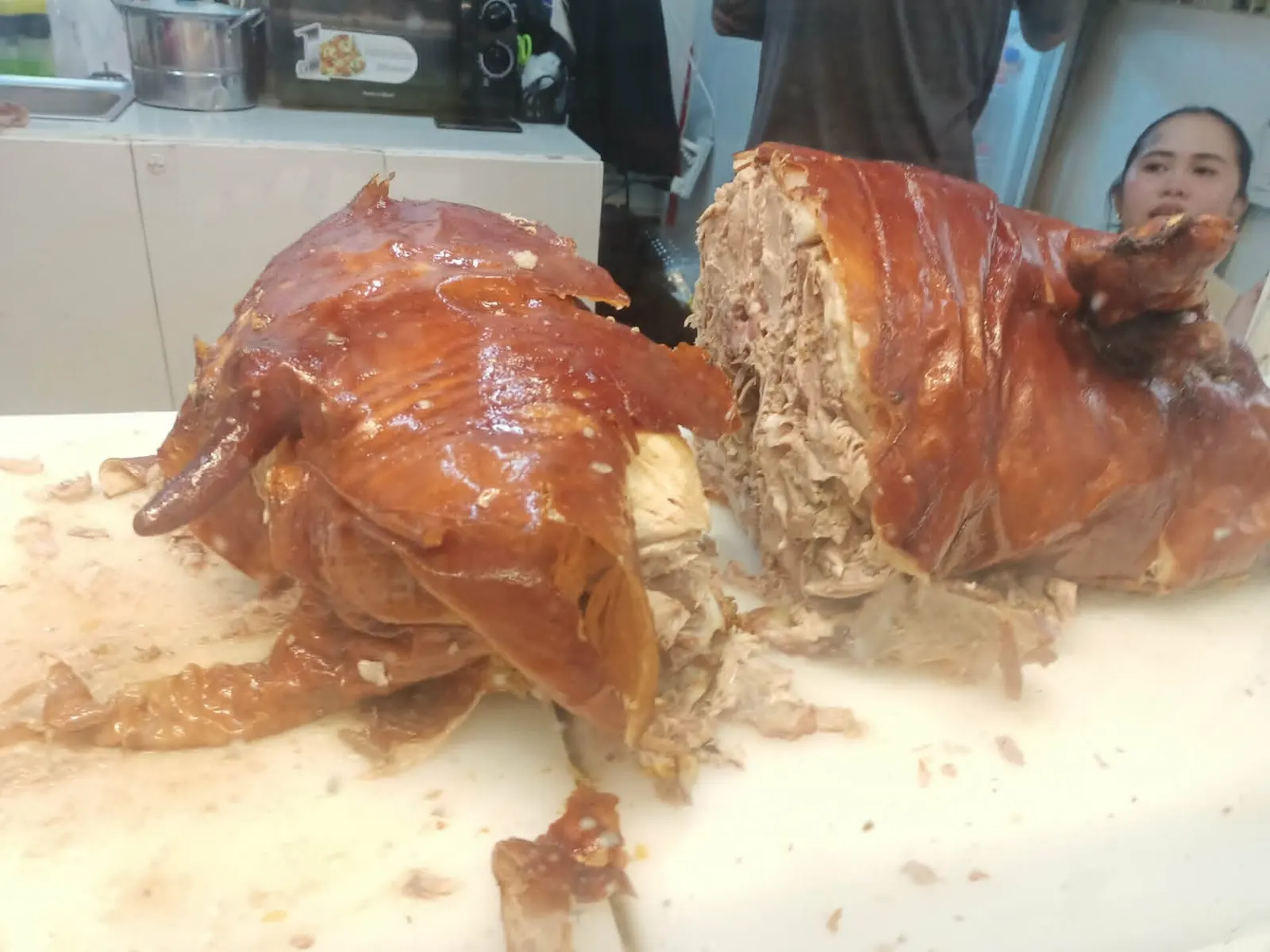
Lechon is often the centerpiece of a Cebu food itinerary. In Carcar, the provincial tourism office describes it alongside several other local specialties: chicharon, ampao and bocarillo. Together they offer a more varied introduction than a search for a single “best” roast pig.
These foods differ in ingredient, texture and occasion. Lechon is roasted pork; chicharon emphasizes crispness; ampao is a sweet puffed-rice product often made with peanuts; bocarillo uses coconut. A tasting becomes more informative when those differences are noticed.
Compare a serving, not a slogan
Carcar’s tourism profile highlights the juices served with its lechon. At the counter, ask how the portion is prepared and whether those juices are included separately or added before serving.
Skin, meat and sauce can be considered individually: crispness, tenderness, seasoning and the balance of fat are more useful observations than repeating a ranking. Recipes and serving practices may differ between sellers, so one plate should not become a claim about every Cebuano cook.
For a small group, ordering modest portions leaves room to compare other foods. Ask about ingredients where allergies or dietary restrictions matter; a familiar-looking rice or coconut sweet may still contain ingredients that are not apparent from its name.
A town beyond the food counter
Carcar also rewards attention to its built heritage. The National Historical Commission records its parish’s establishment in 1617 and dates the construction of the stone church to 1860–1875, followed by later repairs.
The commission separately recognizes houses including the Mercado Mansion and Balay na Tisa. These records give a food stop a historical setting without requiring a claim that today’s recipe has remained unchanged for centuries.
Walk only where access is permitted, and distinguish a public facade from an invitation to enter a private home. Allow time for the church and surrounding town rather than arranging a hurried meal solely for a photograph.
A good Carcar visit can be described precisely: the seller, the dish, the preparation and the place. That specificity gives credit to actual makers and leaves space for the variety that a broad label such as “Cebu lechon” cannot fully capture.
Research note: This regional guide was expanded with AI assistance and checked against the sources below. It is source-based writing, not a claim of first-hand reporting. Confirm current access arrangements before traveling.
Join the conversation
Sign in to comment