
Isabela: A Taste of the Cagayan Valley
Pancit Cabagan and banana-leaf-wrapped rice delicacies offer a useful introduction to Isabela’s food traditions.
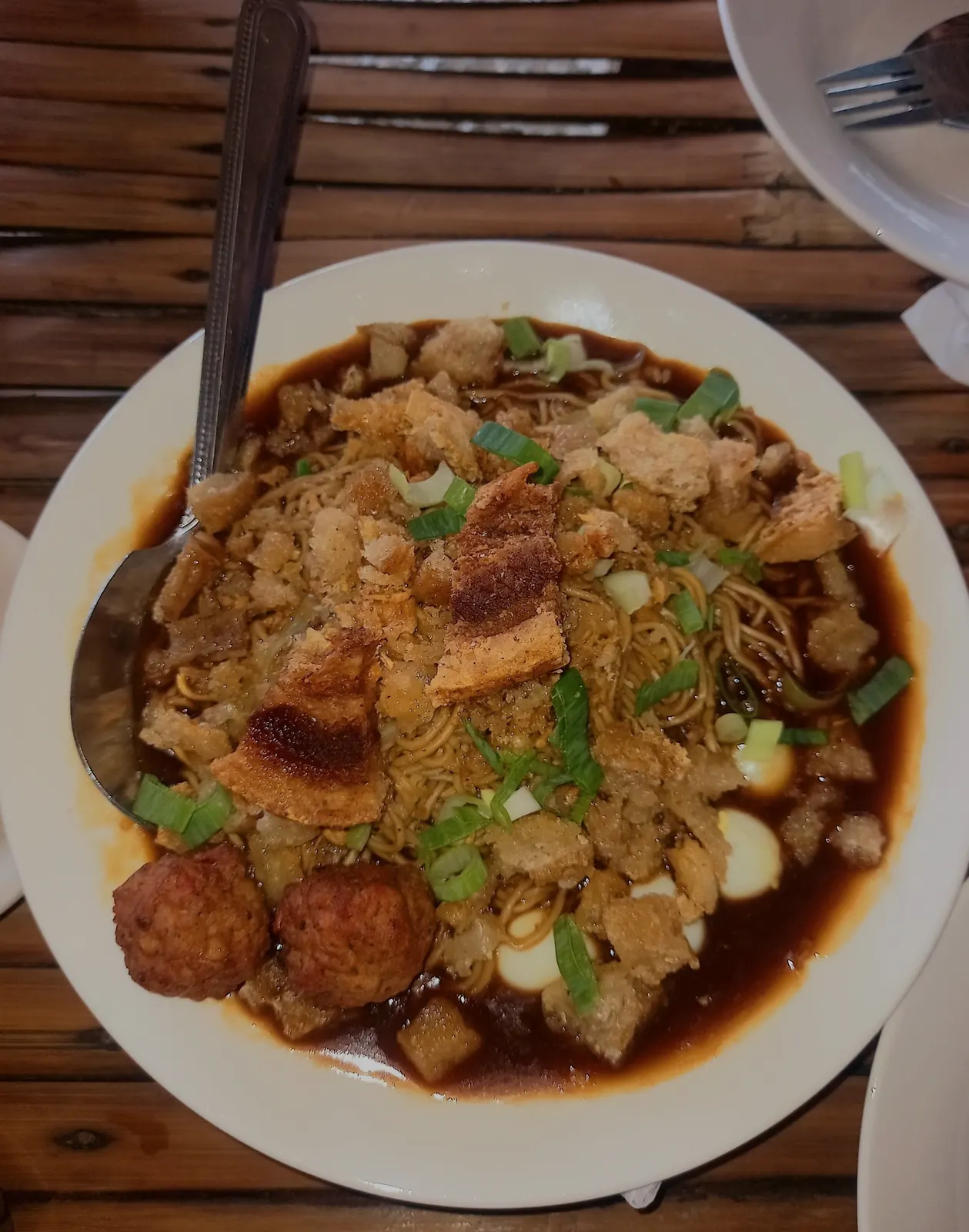
Start with the place name: pancit Cabagan comes from Cabagan, Isabela. The wider Cagayan Valley has several noodle specialties, and a dish eaten in one town may have traveled from another. Keeping that distinction in view makes a food trip more interesting than treating every plate of noodles as the same regional dish.
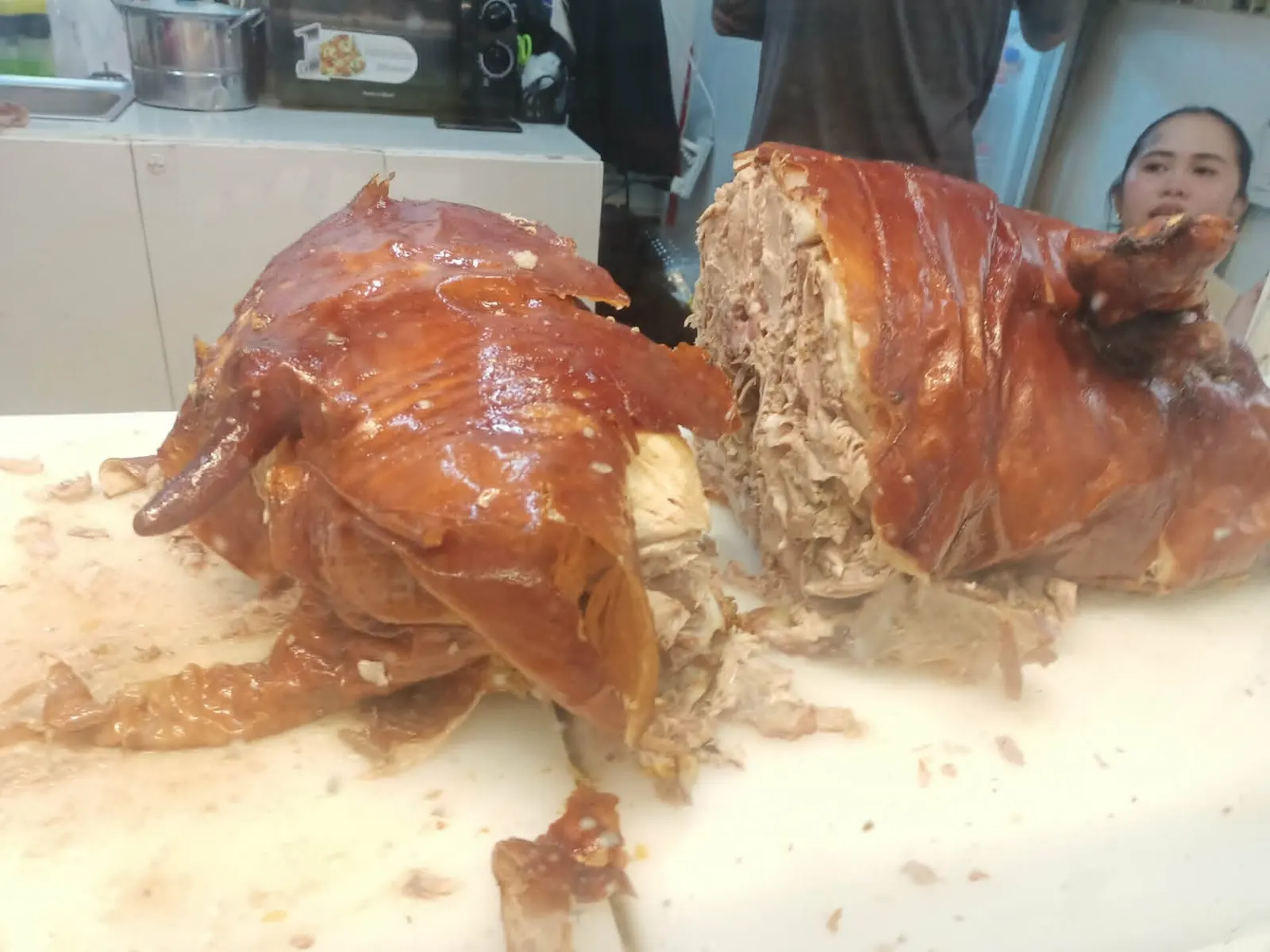
Isabela’s provincial gastronomy guide describes pancit Cabagan through its saucy character, medium-thick noodles, vegetables, boiled egg and crisp lechon carajay. These elements create contrasts within a serving: a moist base, a firm noodle and a crunchy topping. A recipe at an individual establishment may differ from that outline.
Similar names, different histories
A Philippine Information Agency account of Tuguegarao’s batil-patung traces changes through recollections of cooks and customers. It also discusses the movement of pancit Cabagan into the city and later hybrid versions. This is a useful reminder that local food traditions develop through businesses, migration and experimentation.
It would be misleading to turn one family’s recollection into an undisputed invention story for every version of a dish. Ask a cook how their own preparation differs instead. Noodle shape, sauce, topping and serving method are specific things that can be compared without declaring one plate the sole authentic example.
Another use for rice and leaves
Isabela’s provincial guide also lists binallay: a steamed preparation made with glutinous rice flour, wrapped in banana leaves and served with a sweet sauce and latik. Inatata and muriecos offer other combinations of sticky rice, coconut, sweetness and leaf wrapping.
For someone new to these foods, compare the wrapping, texture and placement of the sweet component. Is the filling enclosed or is a sauce added at the table? Does the leaf determine the shape of a portion? Those observations help distinguish foods that may look similar in a display.
Order modestly and ask about ingredients, particularly if avoiding pork, eggs, seafood or coconut. A regional name is not an allergen list or a guarantee that every cook uses the same recipe. The most useful souvenir of a food visit may be a precise explanation from the person who prepared it.
Research note: This regional guide was expanded with AI assistance and checked against the sources below. It is source-based writing, not a claim of first-hand reporting. Confirm current access arrangements before traveling.
Sources
Province of Isabela: gastronomy
PIA: the development of batil-patung and neighboring noodle traditions


Join the conversation
Sign in to comment