
Cagayan: A Landscape for Cave Lovers
At Callao, the significance of a cave extends from its visible chambers to evidence that changed the study of human evolution.
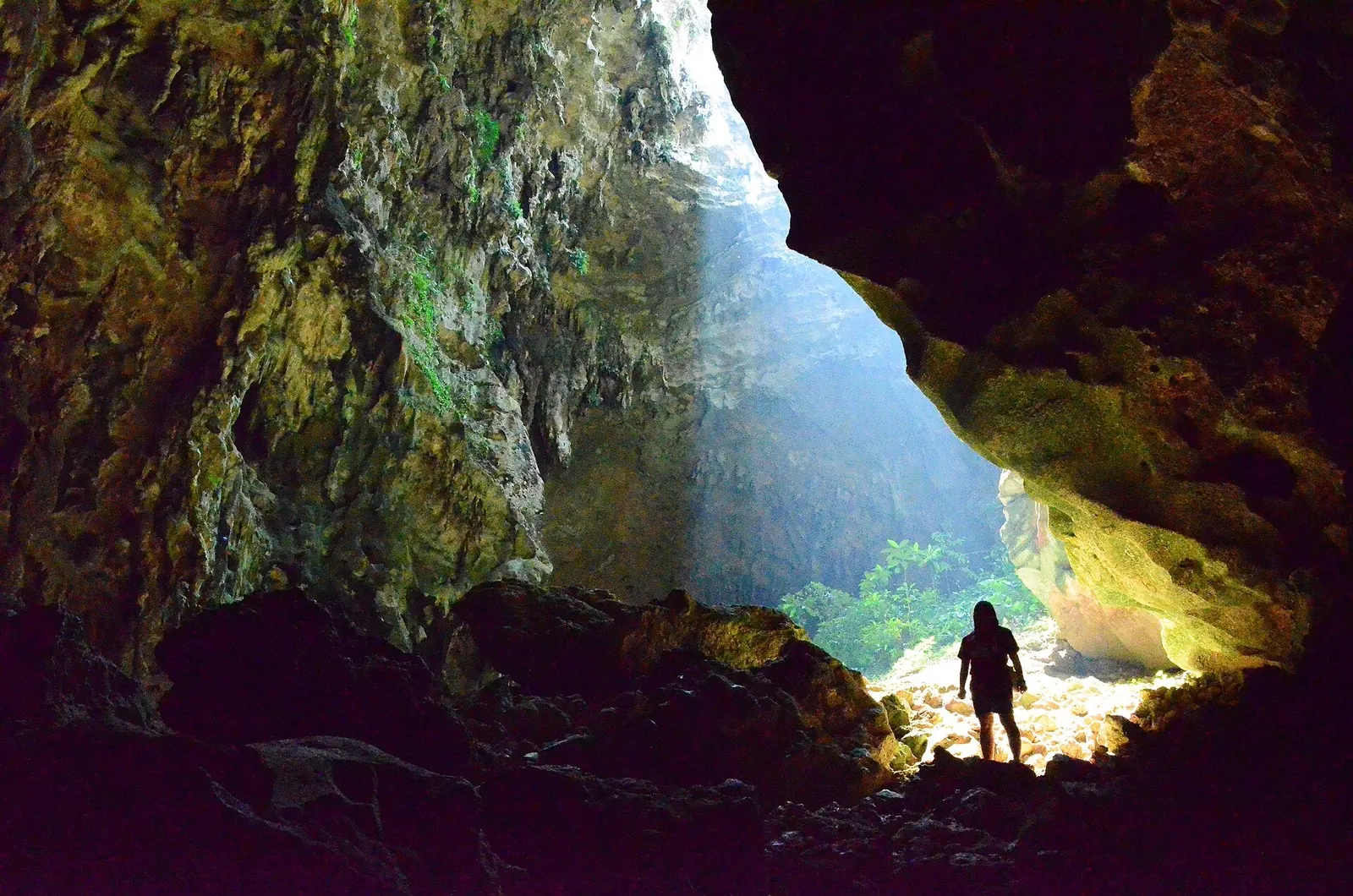
Callao Cave in Peñablanca, Cagayan, matters for more than the scale of its interior. It is the site associated with Homo luzonensis, a species described by researchers in the journal Nature in 2019. For a visitor, knowing that research history turns the cave floor from an ordinary surface into a reminder of how much evidence can lie out of sight.
The discovery was not a complete skeleton waiting in plain view. The researchers’ paper brought together a foot bone found in 2007 and twelve additional fossil elements representing at least three individuals. Their combination of anatomical features supported the proposed species identification.
What the evidence says
The earlier foot bone had been dated to about 67,000 years ago. It is important to keep that age separate from the year the fossil was excavated and the year the species description appeared. These dates answer three different questions: when the individual lived, when an object was recovered and when an interpretation was published.
The findings do not provide a complete biography of those individuals or demonstrate that a particular present-day community descends directly from them. Their importance lies in what the recovered material contributes to a broader and still developing understanding of human diversity in island Southeast Asia.
A regional context
The National Museum’s Cagayan Valley collections place human fossils alongside evidence of ancient animals and stone tools from the wider region. Not every object in that regional story came from Callao itself. Checking the location attached to an exhibit prevents several archaeological sites from being collapsed into one famous cave.
A museum introduction and a locally arranged cave visit serve different purposes. One helps explain evidence; the other gives a sense of the physical setting. Confirm current access and guide arrangements, and follow restrictions around excavation or sensitive areas.
Above all, leave possible objects and deposits undisturbed. Archaeological meaning depends partly on where something was found and what surrounded it. A small fragment removed as a souvenir loses that context. Callao’s story demonstrates why an apparently modest find can matter far beyond its size.
Research note: This regional guide was expanded with AI assistance and checked against the sources below. It is source-based writing, not a claim of first-hand reporting. Confirm current access arrangements before traveling.
Sources
Détroit and colleagues, Nature: A new species of Homo from the Philippines, 2019



Join the conversation
Sign in to comment