
Capiz: At the Seafood Table
Oyster farming in Roxas City reveals the research and community work behind a province’s seafood reputation.
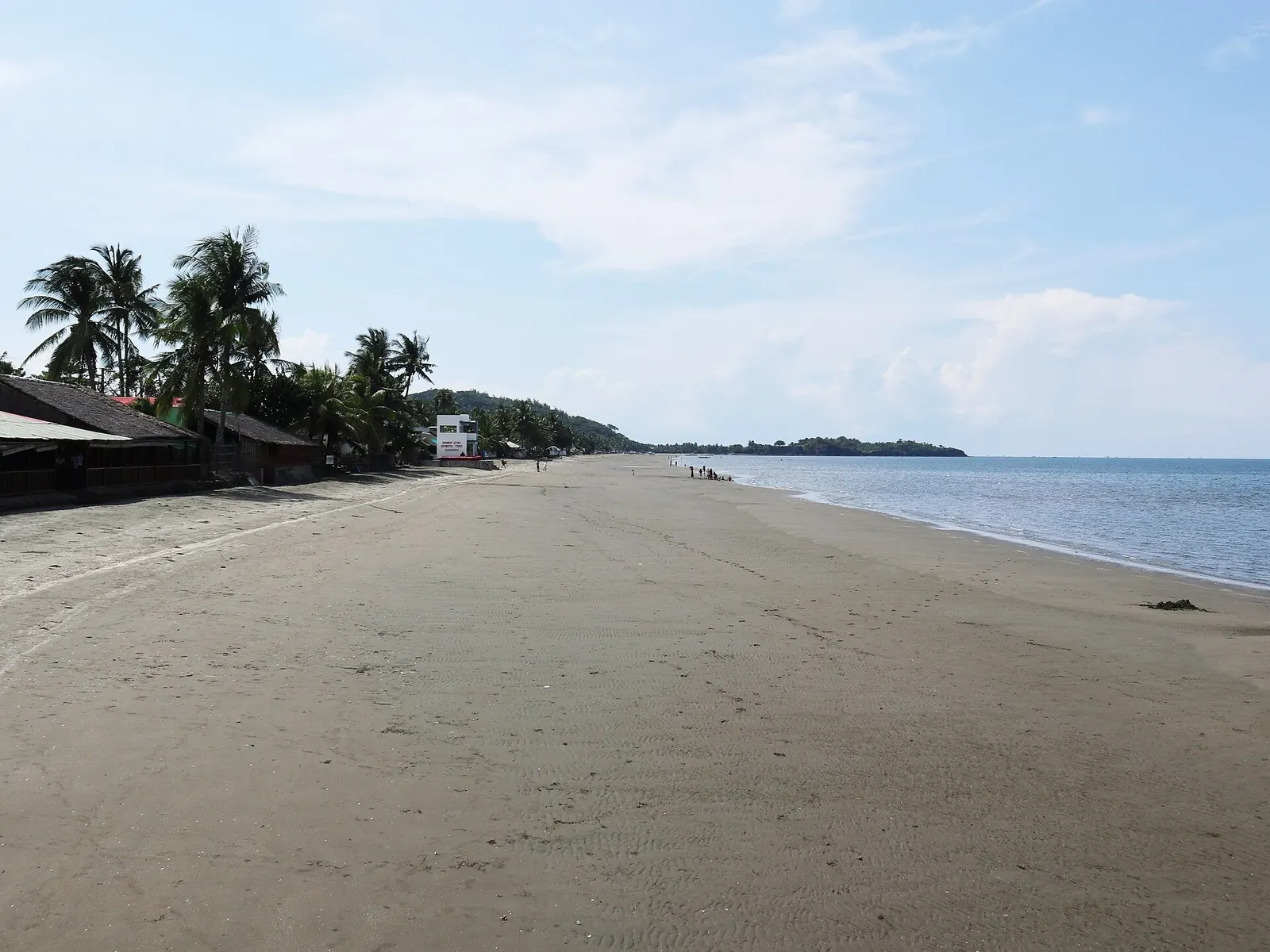
A seafood meal in Capiz can begin with a question that menus rarely answer: how was the food grown or caught? In Roxas City, recent work with oyster producers provides a concrete example of the relationship between a meal, an aquatic environment and farming techniques.
DOST Region VI documented a single-oyster technology project with fisherfolk associations in the Palina and Culajao river systems. The method develops oysters individually in suspended net pouches or trays, rather than allowing them to form the irregular clusters associated with some older growing systems.
Why the growing method matters
The March 2024 DOST account explains that the system was developed by SEAFDEC researcher Junemie Hazel Lebata-Ramos. It connects the method with more uniform oysters and structures that can be moved in response to siltation. Training, monitoring and record-keeping formed part of the associations’ participation.
This is a useful counterpoint to the idea that seafood production consists only of harvesting a naturally abundant coast. The design of a growing system, water conditions and the producer’s work affect what eventually reaches a market.
A September 2025 PIA report also described DOST support for oyster and mussel technologies in Capiz. These initiatives are examples of efforts to improve production; they are not proof that every oyster or mussel sold in the province comes from the same project.
Ask about the actual serving
When ordering, ask the establishment about the source of its shellfish and current official harvest advisories. The reputation of a destination does not establish the safety of a particular batch, and words such as “fresh” or “clean” should not be treated as a guarantee that raw shellfish is risk-free.
For visitors interested in aquaculture, arrange a legitimate educational visit rather than entering working structures independently. Ask how the site manages stock, records conditions and gets products to buyers. A farm’s operations may be more informative than a quick photograph from the riverbank.
Capiz’s seafood identity becomes more substantial when the people and systems behind the table are visible. An oyster is then more than a delicacy associated with a place. It is the result of decisions about cultivation, habitat and livelihoods that deserve a place in the story too.
Research note: This regional guide was expanded with AI assistance and checked against the sources below. It is source-based writing, not a claim of first-hand reporting. Confirm current access arrangements before traveling.
Sources
DOST Region VI: single-oyster technology in Roxas City, March 2024
PIA: Capiz oyster and mussel industry initiatives, September 2025
Join the conversation
Sign in to comment