
Iloilo: Heritage, Festivals and Familiar Flavors
Iloilo’s food culture and Miagao’s church offer two different ways to understand how a place preserves its identity.
Iloilo City joined UNESCO’s Creative Cities Network for gastronomy in 2023. The designation recognizes a city working with food as part of its cultural and economic life. It does not mean that every restaurant has received a UNESCO award, or that the whole province has become a World Heritage Site.
That distinction opens a more interesting food journey. Instead of treating meals as a checklist of famous dishes, look at the people who keep recipes in circulation: market vendors, cooks, families and food producers.
Food as a shared resource
In its Creative Cities profile, UNESCO describes initiatives that connect gastronomy with education and community support. These include the Flavours of Iloilo recipe publication, the Timplada food initiative and Kitchen Patrol, which distributed meals during the COVID-19 emergency.
Food heritage, in this account, involves both celebration and practical work. A recipe can preserve knowledge; a community kitchen can put that knowledge to use when people need meals. A visitor can approach a market with similar attention, asking what an ingredient is called and how it is used, rather than assuming that a restaurant version represents every household’s cooking.
A church with a different designation
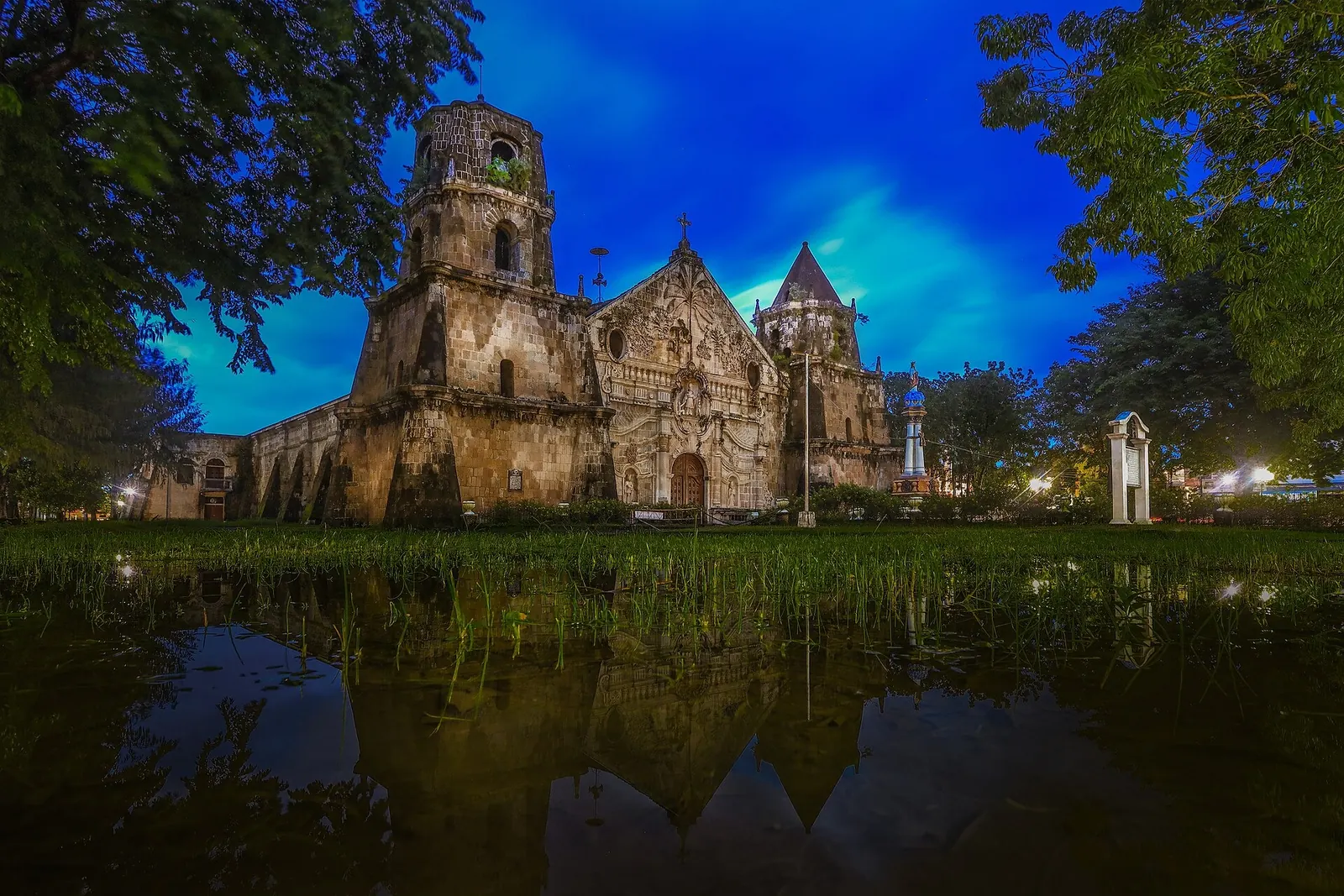
Outside Iloilo City, Miagao provides a separate historical stop. The National Historical Commission’s marker dates the construction of Miagao Church to 1787–1797 and records its defensive role.
The same marker describes successive damage and repair: destruction in 1898, a fire in 1910, an earthquake in 1948 and restoration in 1960–1962. The church’s appearance therefore belongs to a history of rebuilding as well as original construction.
Read the facade and the historical marker together. One reveals architectural choices; the other helps explain why a surviving building should not be imagined as an untouched object from a single year.
A visit combining the city’s food culture with Miagao should allow time for travel between separate places. Keep church visits compatible with worship, and describe the actual dish, maker or building encountered. Iloilo’s appeal becomes richer when food and architecture retain their particular histories instead of merging into a general claim of “heritage.”
Research note: This regional guide was expanded with AI assistance and checked against the sources below. It is source-based writing, not a claim of first-hand reporting. Confirm current access arrangements before traveling.


Join the conversation
Sign in to comment