
Laguna: Waterfalls, Springs and Familiar Flavors
The distinction between Pagsanjan and Cavinti reveals how a famous waterfall connects several communities.
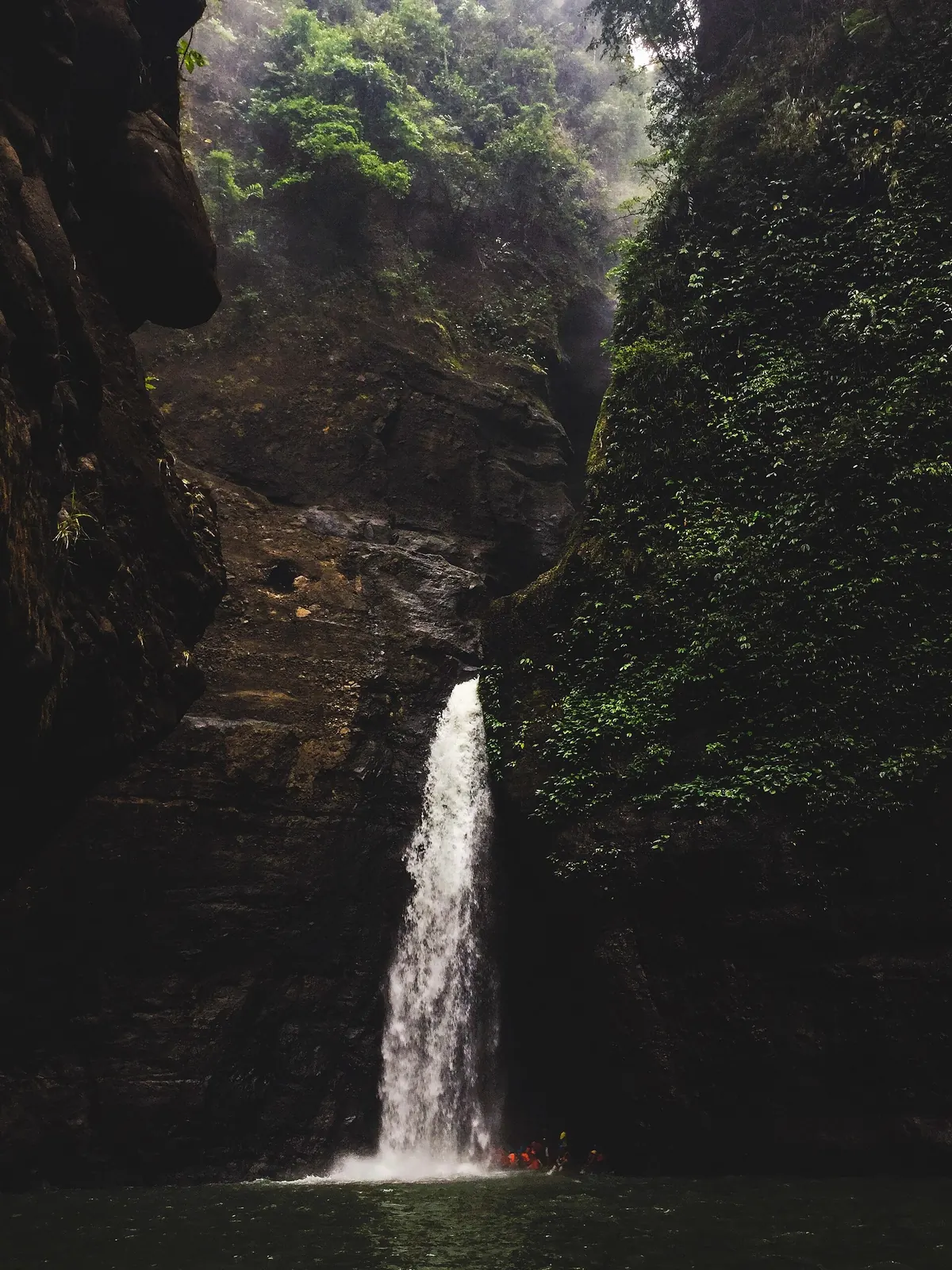
The attraction widely known as Pagsanjan Falls is in Cavinti, Laguna. Pagsanjan’s association with boat journeys helped give the waterfall its familiar tourism name. Knowing both names is useful when comparing routes: a destination’s popular label does not necessarily identify the municipality containing the falls or the starting point of every excursion.
A Philippine Institute for Development Studies paper documented this distinction decades ago. Its economic figures and descriptions of businesses are historical evidence, not current prices or a present-day operator directory. The geographic point remains a valuable starting place for understanding the attraction.
A river shared by communities
In 2023, the Philippine Information Agency reported an agreement among Pagsanjan, Cavinti and Lumban concerning the gorge and waterfall area. It included cooperation on tourism and revenue-sharing intended to benefit boatmen and other workers. The report shows that a visitor experience crossing a landscape may also depend on coordination across local boundaries.
Before booking, ask where the trip starts and ends, which route it follows and what physical effort it requires. Boat access and an approach involving substantial walking should not be treated as equivalent simply because they reach the same named attraction. Obtain a current, complete quotation from an authorized provider.
Water beyond the photograph
A 1978 directive preserved in the Supreme Court’s e-library explicitly connected the waterfall’s continuing flow with vegetation in the upstream watershed. It is a historical document, not a description of present enforcement, but it captures a lasting geographic relationship: the water seen at an attraction comes from a wider landscape.
Los Baños offers a different water-centered identity. Laguna’s September 2026 account of the Bañamos Festival connects the town’s celebration with its heritage, local products and hot springs. The festival also provides a reminder that these places are communities with their own calendars, rather than collections of facilities for weekend visitors.
Choose a manageable part of Laguna for a visit instead of treating its falls, springs and towns as adjacent stops. A slower itinerary leaves room to understand the route, the workers supporting it and the land supplying the water that makes the attraction possible.
Research note: This regional guide was expanded with AI assistance and checked against the sources below. It is source-based writing, not a claim of first-hand reporting. Confirm current access arrangements before traveling.
Sources
PIDS: historical study of tourism and Pagsanjan Falls
PIA: Pagsanjan, Cavinti and Lumban tourism agreement, 2023
Join the conversation
Sign in to comment