
Random Thoughts On All Saints' Day: Of Lost Landmarks, Short Memories And To Forgive, But Never Forget
an introspective look on how we commemorate All Saints' Day, even amidst rapid changes--and how we can overcome some painful memories
About 4 min read
One of the most quotable lines in any song is Alanis Morissette’s 'isn’t it ironic?'
And, we also ask, isn’t it ironic, that the way we observe All Saints’ Day isn’t the way it used to be?
True, a lot of us still continue to pay homage to our deceased loved ones every November 1 by visiting their graves, offering flowers and prayers and reminiscing about the good old days and the moments that we cherish with them.
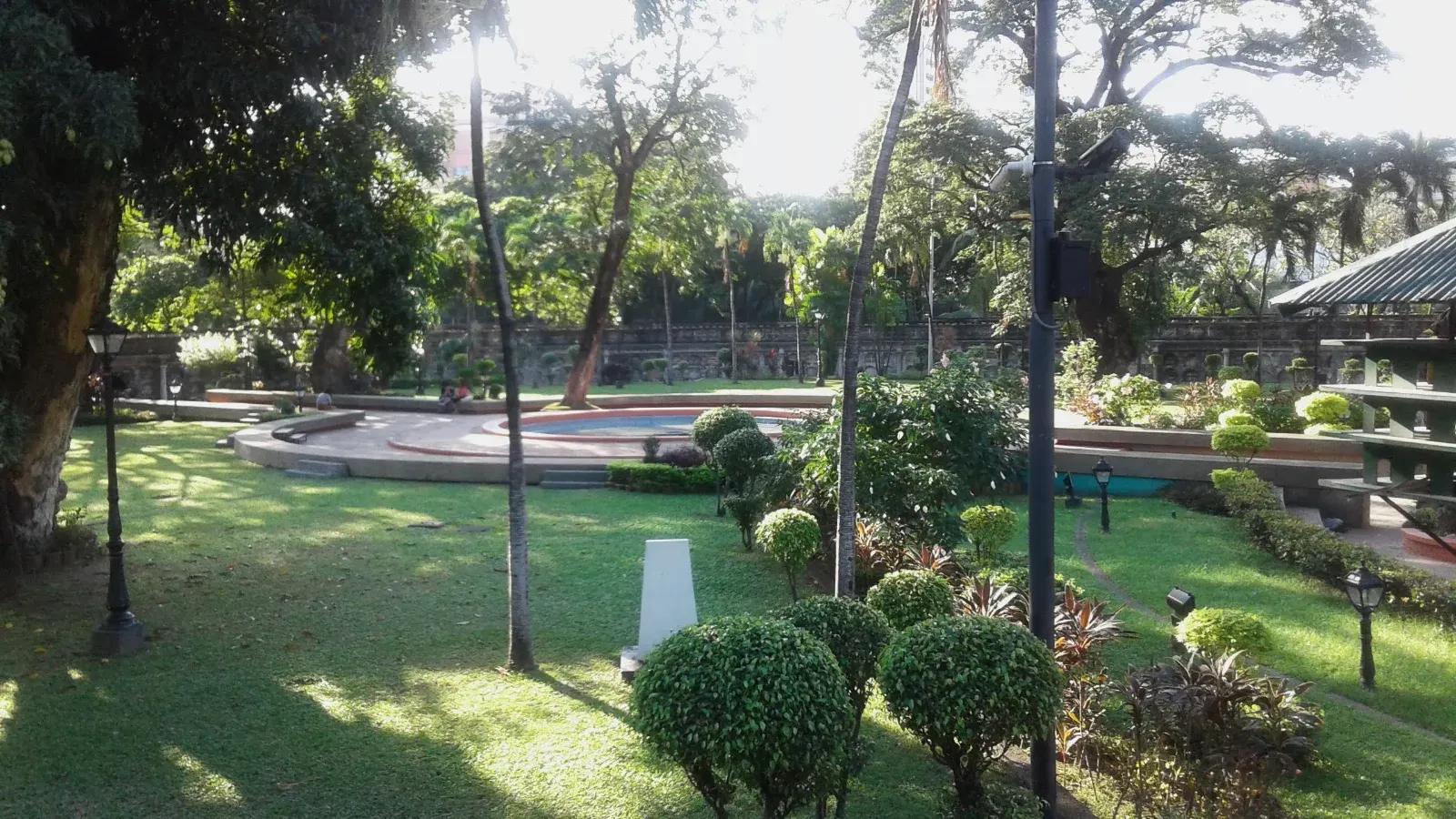
Yet, on the other side of the coin, we are also faced with the reality on how rapid modernization has replaced those tangible moments of places and vestiges where we enjoyed those simple yet pleasant memories with our loved ones who have long joined their Creator. A park that is still there, still serene the way it used to be—but devoid of those leisurely strolls with our kuya, ate, lolo, tita, cousins or perhaps our best buddy who had to go due to a shocking incident. . . the theater where we enjoyed those flicks together, but later demolished in the name of modernization . . . a hit song that we swooned over during those intimate moments, but whose record, cassette or even artist have long been gone . . .
To cite some insights from a very interesting feature story yours truly Googled online, All Saints’ Day exists because of our short memories. It is a necessary friction against our tendency to forget. The holiday, points out that story, doesn't ask us to possess a perfect, exhaustive memory; it simply provides a collective pause to honor the broad, luminous canvas of those who came before us, ensuring that even if the details fade, the gratitude remains.
No, don’t get me wrong. Yours truly has fully embraced the world of being online, where I interact with colleagues, stay updated with the news via the increasing number of independent news websites, enjoy online videos that are enlightening, post over Facebook items from yours truly's collection of memorabilia as well as those sourced from print media to keep that nostalgic spirit alive—especially in a scenario when we are bombarded with so much of these trends that become fads and become easily forgotten, and sensationalist (as well as destructive) items online—sadly adhering to the credo that negative news sells fast.
Correlating my insights on a much broader level, another online feature item discussed the so-called ‘illusion of short memories’ of which yours truly agrees with. One, it cited on how too much overloaded information that we get online shortens those attention spans, thus relegating deep historical memory into something that is less important. Two, with the passing of older generations, there is that dilemma on how to preserve the stories beneath those landmarks up for demolition instead of preservation. And three, there is that selective nostalgia syndrome, with that tendency to romanticize the good old days while ignoring those complex (at times unpleasant) events and people that have equally helped reshape history.
Of which the third point also leaves us to face one of life’s more harder realities: to reflect on the painful memories of those deceased ones who had caused us harm and hurt at some point in our lives. In as much as the saying goes that time heals all wounds, let us also remember on how these same people, ironically, also made us get up from those depths that we experienced, to move up, move on, and revitalize ourselves with a more profound yet refreshing, more confident outlook on life, by learning from their own mistakes—and assuring that we can help avoid such unpleasant things to ever take place again.
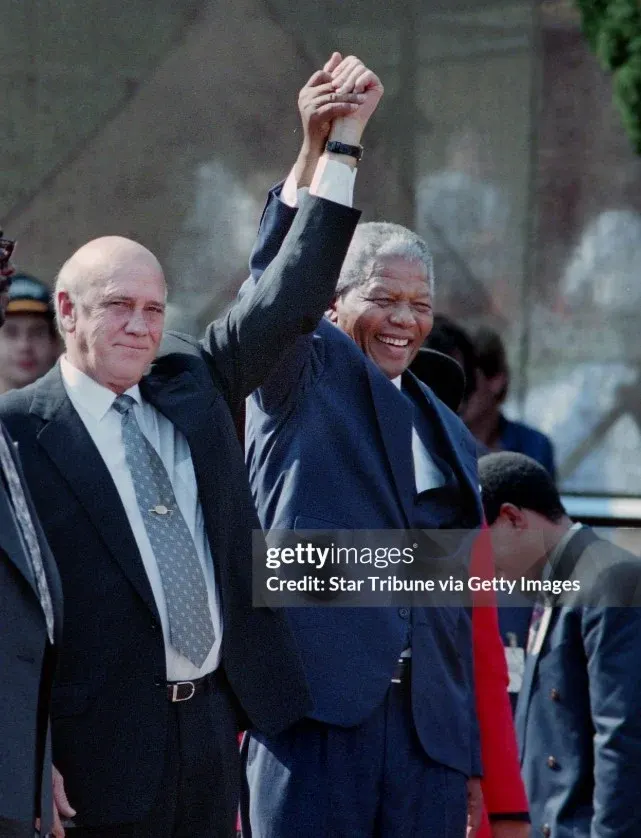
Forgive, but never forget, is that saying which has been quoted in various circles, from the likes of Shakespeare in King Lear and The Analects Of Confucius to John F. Kennedy and Nelson Mandela. Which also makes us ponder that, instead of sowing vindictiveness among those departed ones who had hurt us, if we can only say, ‘we can only feel so sorry for them’. Such a remark generates that sense of empathy as we get to realize that these very same people, who covered themselves up in negative ways with their bigoted, judgmental attitudes, also had their own inner battles (or shall I say, demons) to confront, with the way they misinterpreted reality, without knowing their own limits.
Let us also remember that even in this digital age which has its own plusses as well as minuses, forgive but never forget will still stay relevant in each of us human beings, as it effectively harmonizes self-preservation with emotional healing.




Join the conversation
Sign in to comment