
El Niño in the Philippines: What the 2026–2027 Outlook Means for Daily Life
PAGASA’s October outlook points to a prolonged El Niño. Here is what it means for rainfall, water, farming and travel in the Philippines.
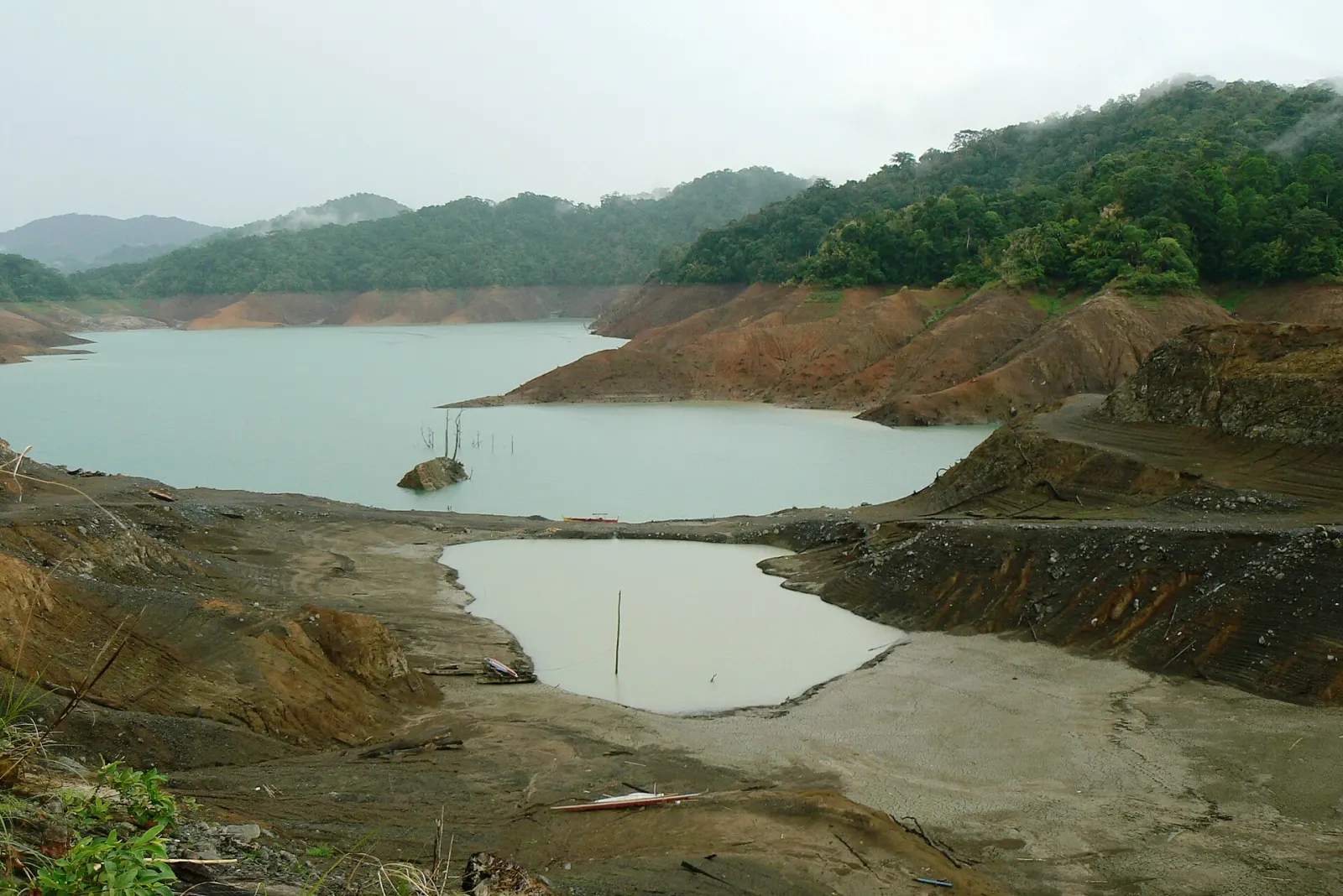
El Niño can enter a household through decisions that seem far removed from the Pacific Ocean: when to water a crop, how to plan around a water-service interruption, or whether an outdoor trip needs a different schedule. Understanding the phenomenon means connecting a seasonal climate signal with conditions in a particular town.
As of October 22, 2026, PAGASA’s October agroclimatic outlook describes a strong to very strong El Niño in the tropical Pacific. The agency expects the event to continue into the first half of 2027, with a possible peak before the end of 2026. Those are outlooks, rather than a promise of identical weather across the country.
What El Niño changes
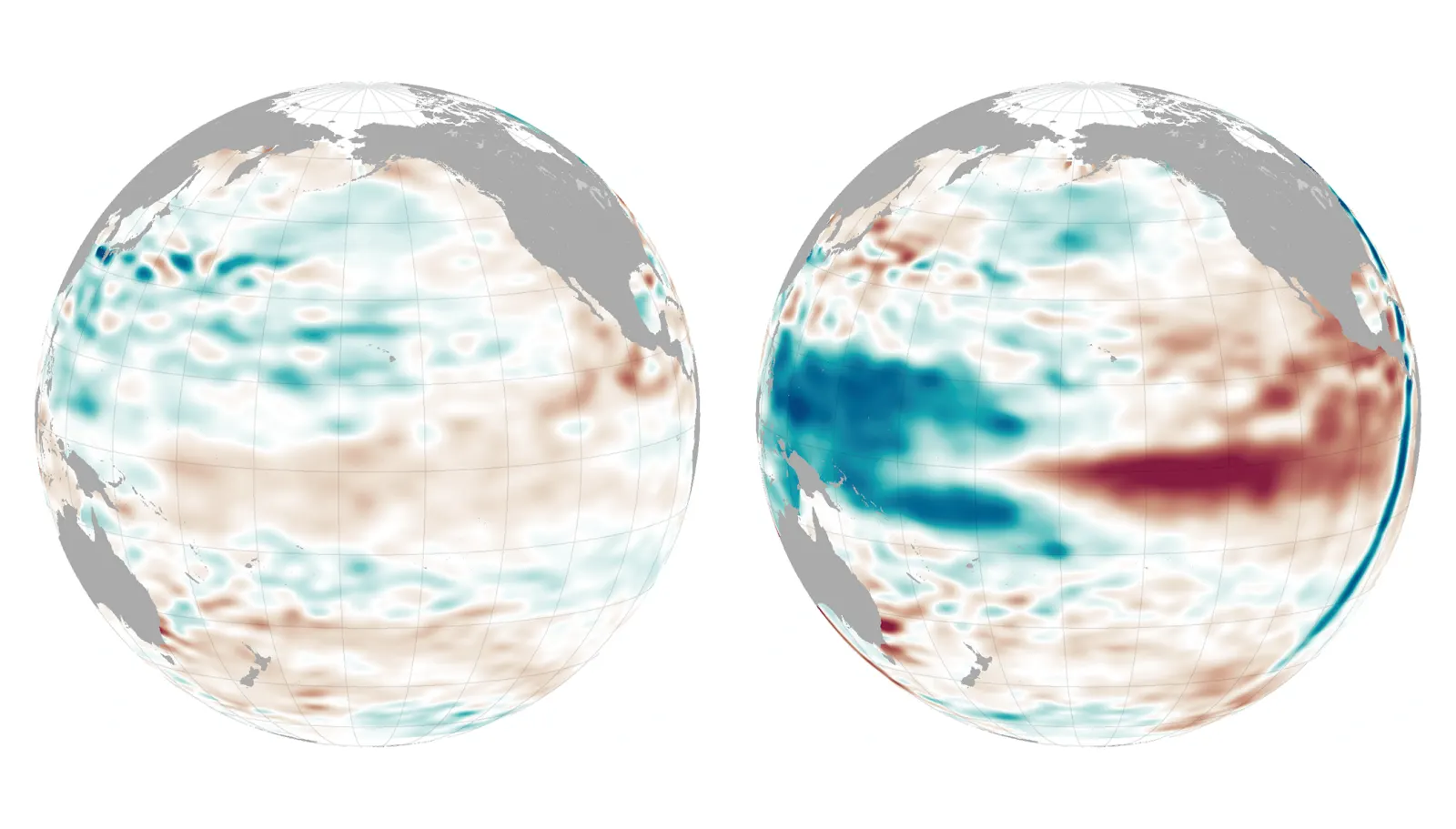
El Niño is the warm phase of the El Niño–Southern Oscillation, or ENSO. It involves unusually warm surface waters in the central and eastern equatorial Pacific and changes in the ocean-atmosphere system. Its influence extends well beyond the water where it develops.
In its September 23 climate advisory, PAGASA explained that the Philippine effects generally include warmer conditions and reduced rainfall. Long rainfall deficits can strain farms and water supplies, with consequences for food production, energy and public health. The severity of those effects depends on local conditions and preparedness as well as the strength of the event.
The US Climate Prediction Center’s October 8 discussion also described a strengthening El Niño and a high likelihood of strong to very strong conditions through January–March 2027. It cautioned that even a large event does not guarantee every expected impact. A Pacific-wide forecast still needs to be interpreted through Philippine and local advisories.
Why heavy rain can still happen
A rainy afternoon does not cancel El Niño. PAGASA’s October outlook explicitly notes that tropical cyclones and other rain-bearing systems can still produce above-normal rainfall even while the broader climate pattern raises the risk of dry spells and drought.
This matters for travelers and households alike. A seasonal outlook describes tendencies over an extended period. A daily forecast or storm bulletin describes the conditions relevant to a particular departure, school day or boat crossing. Both can be correct at the same time.
For anyone traveling in the Philippines, the practical response is to check the forecast for the actual destination and travel date. A generally drier season is not a guarantee of calm seas, open trails or an uninterrupted itinerary.
From a national warning to a local plan
For a household, useful questions are specific: has the water provider announced an interruption, does the local government have a conservation notice, and is there a current forecast affecting outdoor work? Acting on those answers is more useful than assuming every province faces the same shortage on the same day.
Farm decisions need even finer detail. PAGASA publishes agricultural weather information because planting, irrigation and harvest choices depend on the crop, its stage of growth and the location. A national headline cannot replace that guidance or advice from the local agriculture office.
DOST has also described its ENSO Assessment Simplified, or EASi, tool, which uses visualizations of historical rainfall and ENSO to help users examine local patterns. Historical comparisons can inform preparation; they are not exact scripts for the next season.
Keep the date attached to the forecast
Climate forecasts are revised as observations and model guidance change. Before acting on a shared screenshot, check its issue date, the period it covers and the issuing agency. Start with PAGASA’s El Niño advisories, then look for the local weather or service notice relevant to the decision at hand.
El Niño is a reason to prepare early and carefully. The most useful preparation turns a broad warning into practical choices about water, work and travel, while continuing to pay attention when the weather changes.
For more Philippine community and everyday-life stories, visit Life.
Forecast information checked on October 22, 2026. Recheck the linked agencies for newer bulletins.

Join the conversation
Sign in to comment