
Lanao del Sur: The Splendor of Maranao Heritage
Torogan architecture and the Darangen epic offer two ways to understand the communities around Lake Lanao: through buildings and through the spoken word.
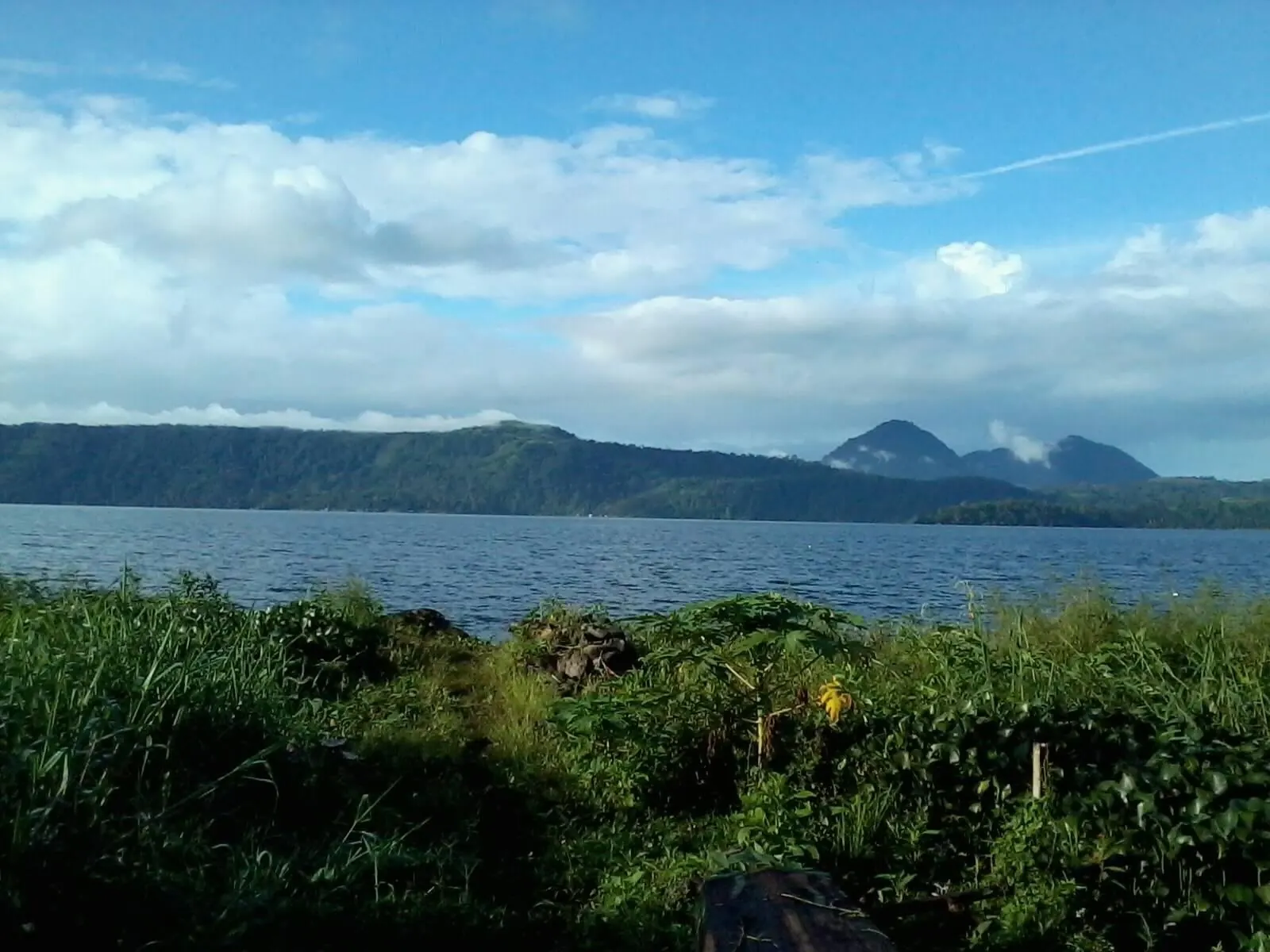
Around Lake Lanao, heritage is expressed in forms that require more than a quick glance. A carved beam may indicate the importance of a house; an epic performance may carry ideas about conduct and community life. Reading those forms together gives Lanao del Sur a depth that a list of attractions would miss.
The National Museum describes the torogan as the traditional residence of a Maranao sultan or datu. Its large interior served not only a household but also gatherings and decision-making. Architecture, in this setting, could communicate authority while providing a place in which that authority was exercised.
What the projecting beams tell us
The panolong is the conspicuous extended beam associated with a torogan. Its carving draws on okir, the curving ornamental vocabulary seen in Maranao art. The structural setting matters: a panolong is not simply a detached decorative panel, even when museum presentation makes it possible to study one closely.
In 2008 the National Museum declared the Kawayan Torogan in Marantao a National Cultural Treasure. Its documentation explains the building’s significance as a surviving example of Maranao vernacular architecture. That recognition should not be confused with a promise that a historic building is always open or fully accessible to visitors.
For someone looking at a torogan for the first time, useful questions are practical ones. How does the raised structure meet the ground? Where are the carved elements placed? What kinds of gatherings could the interior accommodate? Such questions connect visual detail with use, rather than treating ornament as a pattern without a setting.
A cultural landscape that also has a voice
The Darangen offers a different form of record. UNESCO identifies this Maranao epic tradition with the Lake Lanao region and inscribed it on its Representative List of Intangible Cultural Heritage in 2008. Its stories explore heroes, relationships and social values, while also carrying knowledge of customary law.
A building and an epic preserve different kinds of evidence. One can be measured and repaired; the other depends on people who know how to perform and interpret it. Neither makes sense if separated completely from its community.
Readers can begin with museum explanations and UNESCO’s recorded material before seeking a visit or performance. When engaging with local practitioners, ask what may be photographed or recorded, and distinguish an arranged public presentation from a private or sacred occasion. Respect starts with allowing the people who sustain a tradition to explain its boundaries.
Research note: This regional guide was expanded with AI assistance and checked against the sources below. It is source-based writing, not a claim of first-hand reporting. Confirm current access arrangements before traveling.
Sources
National Museum: torogan architecture and panolong

Join the conversation
Sign in to comment