
South Cotabato: Threads of a Living Tradition
Around Lake Sebu, t’nalak weaving connects material, skill and T’boli cultural memory.
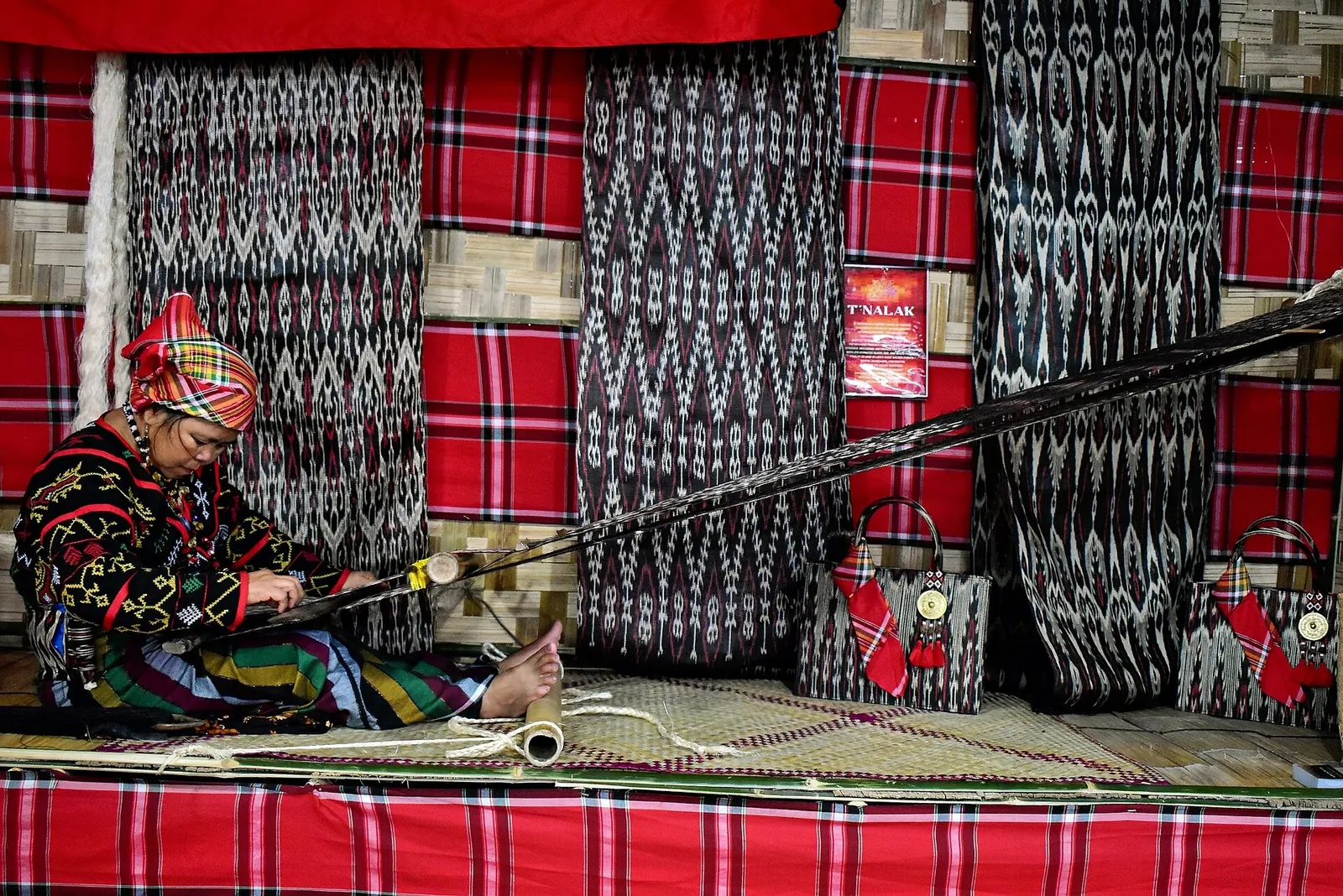
Lake Sebu’s landscape is closely associated with the T’boli and with t’nalak, a woven abaca cloth distinguished by its intricate patterns. The fabric is one of South Cotabato’s most recognizable cultural expressions.
Weaving requires knowledge that extends beyond the loom: preparing fibers, working with dyes and arranging a design are all part of the process. The work of master weavers such as Lang Dulay helped bring wider recognition to this tradition and to the importance of passing it on.
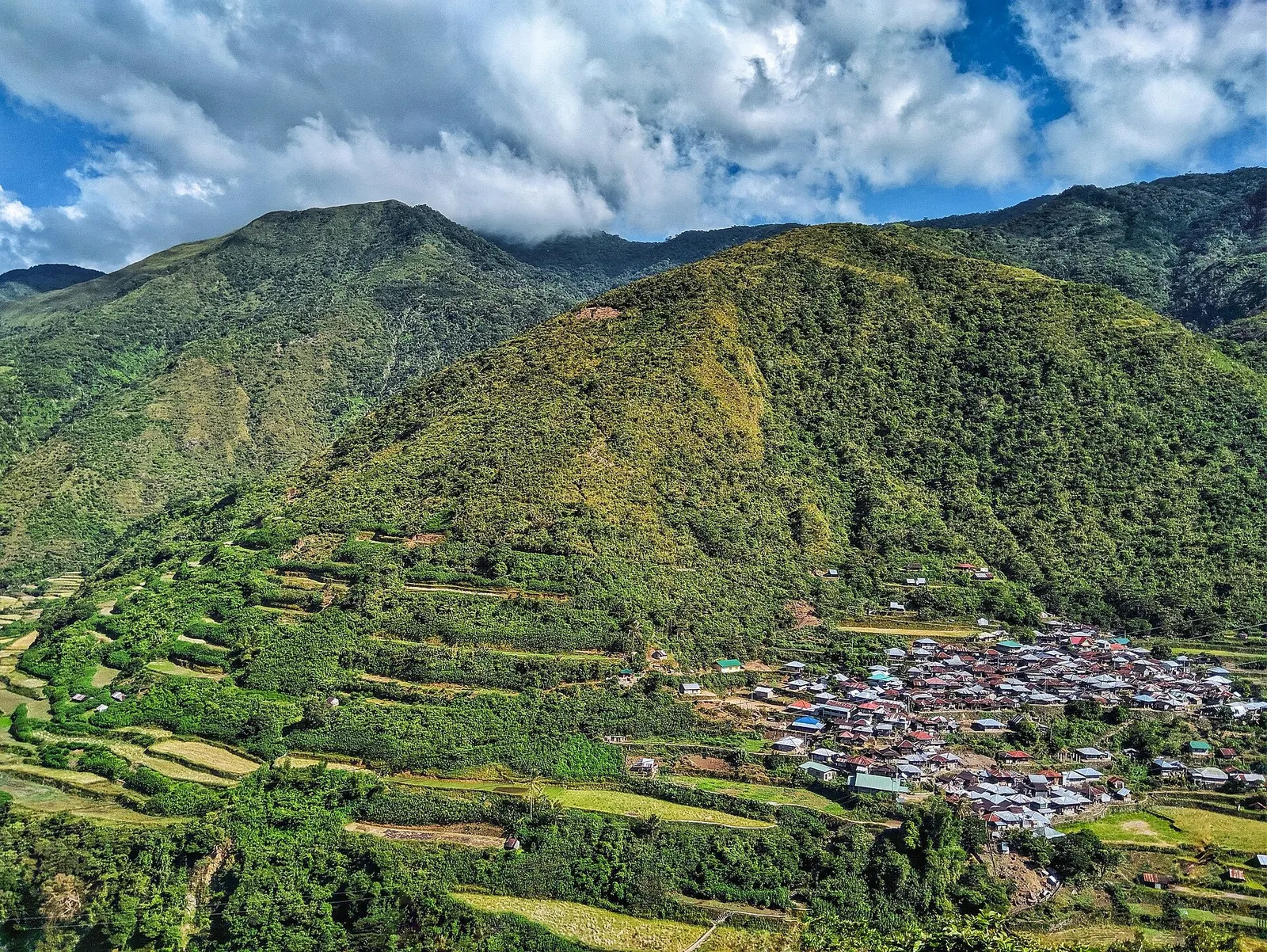
The province’s lakes, hills and agricultural areas provide a wider setting for the craft. Looking at t’nalak within that context gives a fuller appreciation of the cloth. It is not simply a souvenir, but the result of skilled work and cultural relationships that continue across generations.
Join the conversation
Sign in to comment