
Masbate: At the Heart of Island Routes
A small bronze bell and a group of islands offer an alternative introduction to a province often described only through cattle and coastlines.
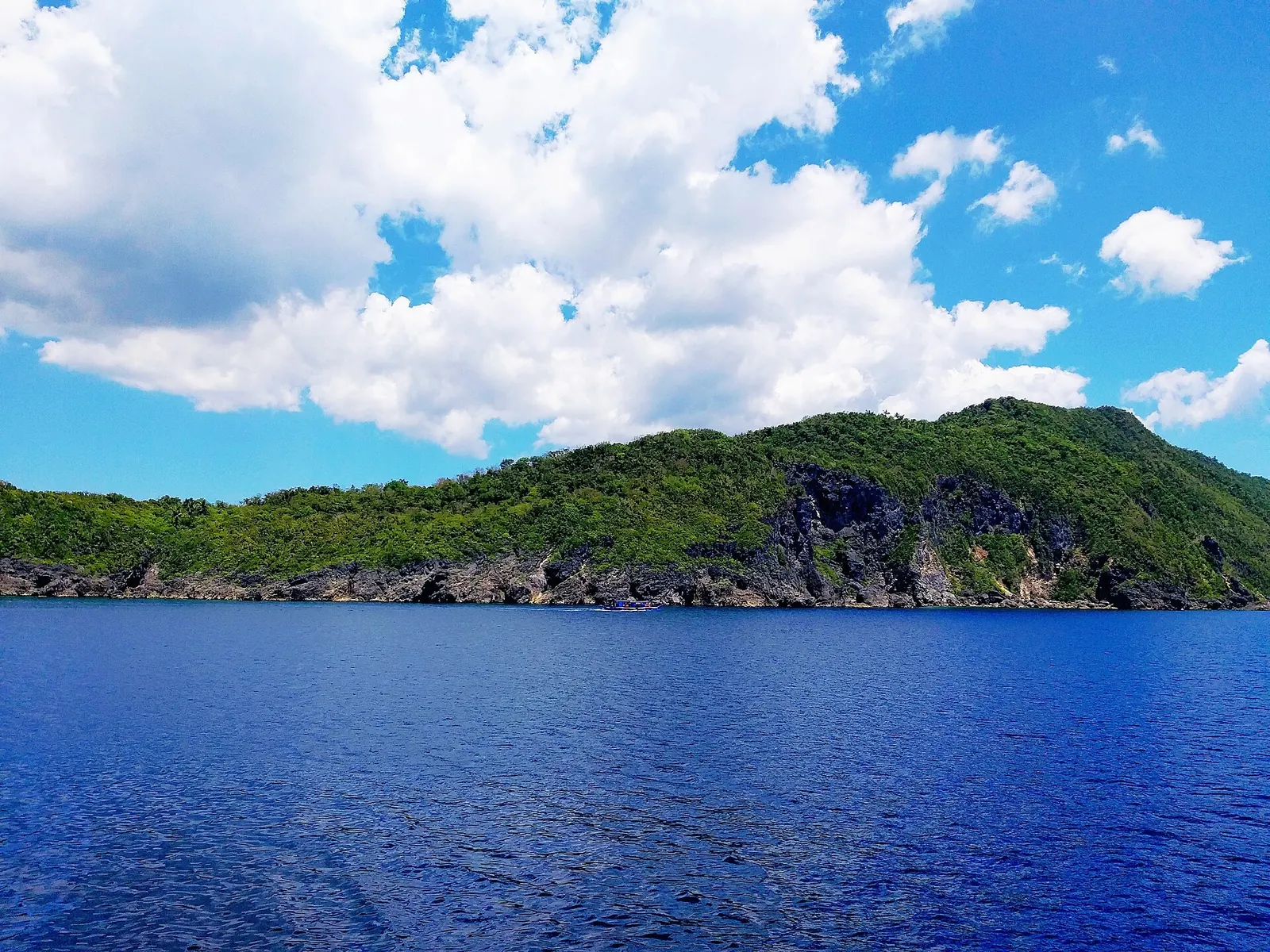
Masbate is a province of three main islands—Masbate, Ticao and Burias—rather than one landmass containing every attraction bearing its name. The Department of Agriculture’s provincial profile places it within Bicol while recognizing its strong connections with Visayan languages and cultural life.
For travel planning, the practical consequence is simple: identify the island as well as the town. A provincial map can make places look close even when reaching them requires a separate sea journey. For understanding the past, the same geography encourages attention to connections across water.
A bell small enough to overlook
At Kalanay Cave in Aroroy, archaeological work in the 1950s recovered pottery, tools, human remains and a small bronze bell. The National Museum describes the bell as just 27 millimeters long, with a loop and an internal clapper. Its size contrasts with the large church bells people may first imagine.
The museum classifies Kalanay as a burial site, noting that the evidence did not indicate habitation. This is an important distinction: objects found in a cave do not automatically show that people lived there. Their arrangement and association help determine how the place was used.
The bell also illustrates the limits of interpretation. Its material and construction can be described more securely than the exact occasion on which it was sounded. An engaging historical account should preserve that uncertainty rather than invent a ceremony.
An island story beyond the excavation
The museum has also documented tigsik practitioners in Masbate and Ticao as part of research into Bicol’s oral traditions. This places living expression beside archaeological material without claiming that one directly explains the other.
Readers interested in Kalanay can begin with the museum’s published interpretation and collections. The existence of an archaeological site is not proof that it is open for independent exploration. Do not remove objects or enter burial contexts without authorized arrangements.
Masbate’s central position in the archipelago becomes more meaningful through these specific forms of evidence: an island network, an excavated object and a documented living practice. They provide starting points for inquiry that extend beyond the province’s most familiar promotional images.
Research note: This regional guide was expanded with AI assistance and checked against the sources below. It is source-based writing, not a claim of first-hand reporting. Confirm current access arrangements before traveling.
Sources
Department of Agriculture: Masbate provincial profile


Join the conversation
Sign in to comment