
Catanduanes: An Island Facing the Pacific
Behind Catanduanes’s coastal identity is an agricultural material connecting farmers with Philippine textiles and international trade.
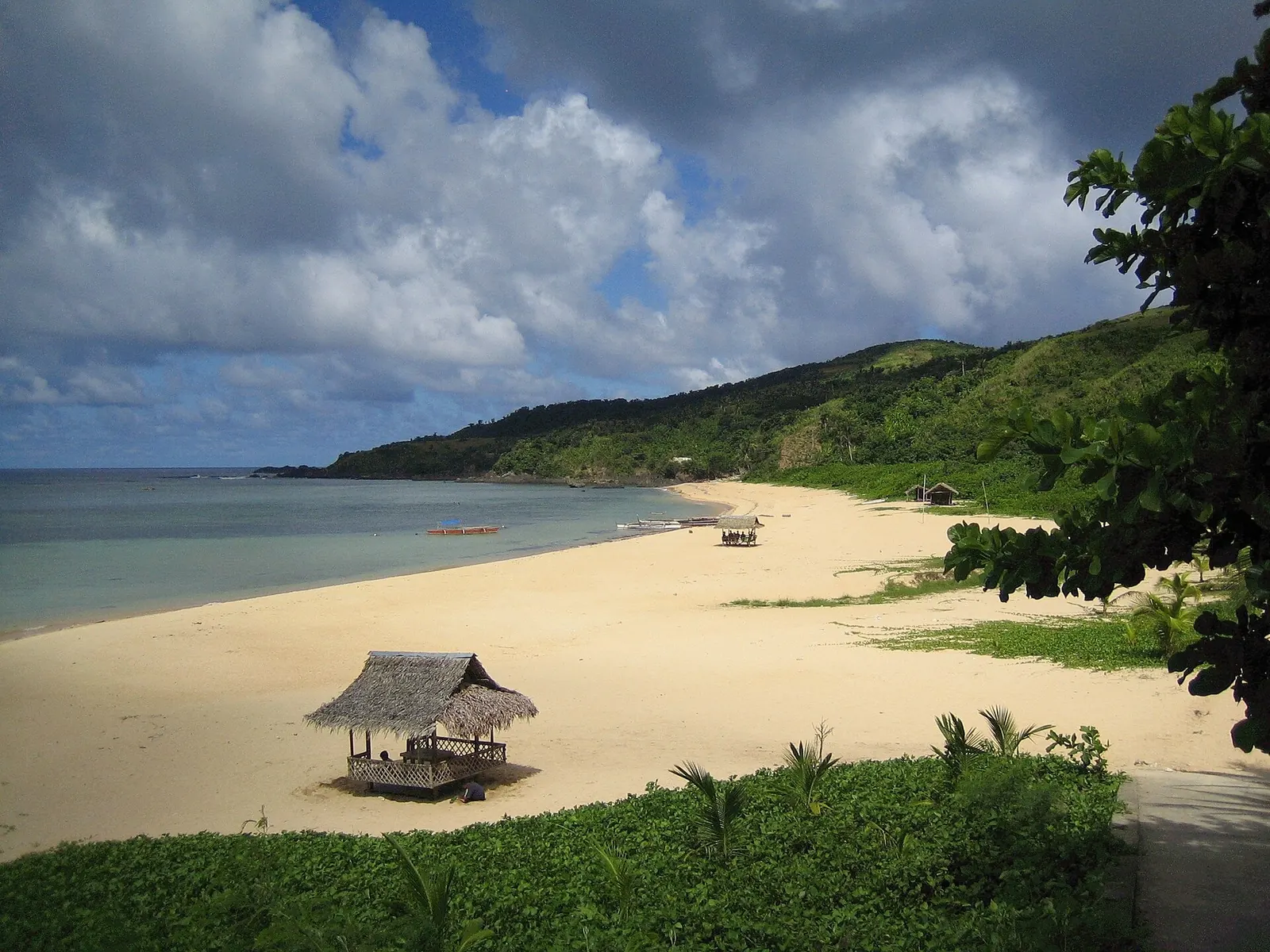
Catanduanes’s title as the Abaca Capital of the Philippines is more than a tourism slogan. Republic Act 11700, which lapsed into law in April 2022, formally gave the province that designation in recognition of its importance to abaca production and rural livelihoods.
The title is a starting point, not a complete explanation of the crop. Abaca is Musa textilis, a plant cultivated for fiber. PhilFIDA’s technical guidance describes extracting fiber from the plant’s leaf sheaths. The National Museum identifies abaca among the materials used in Philippine weaving, connecting the crop with a larger history of textile making.
Following the fiber
A finished textile can conceal the sequence between plant and thread. Separating, cleaning and preparing fiber are forms of work distinct from designing and weaving cloth. Understanding those stages makes it easier to ask a maker meaningful questions about an object’s material and production.
It also prevents two common assumptions: that every textile sold on an island was woven there, or that every fabric with a regional label is pure abaca. Ask about fiber content and the maker rather than inferring both from the place of purchase.
Technology in an agricultural tradition
In March 2025, PhilFIDA reported discussions with the Turkish Cooperation and Coordination Agency about equipment and training intended to improve abaca fiber extraction in Catanduanes. The proposed work included machine operation, maintenance and fiber grading. The announcement described a collaboration being developed, not proof that every producer had already received equipment.
The initiative highlights a useful aspect of the industry: quality depends on processing knowledge as well as the presence of a crop. A plant’s reputation alone does not determine the consistency of the fiber eventually sold.
For readers planning an island visit, an arranged craft or agricultural interpretation can add depth to time on the coast. Confirm whether a farm or workshop receives visitors and respect working areas. Ask to understand a process rather than expecting a staged demonstration at any hour.
Catanduanes’s abaca story connects landscape with labor. Seeing that connection gives the island a place in the history of materials, not only in a collection of seascapes.
Research note: This regional guide was expanded with AI assistance and checked against the sources below. It is source-based writing, not a claim of first-hand reporting. Confirm current access arrangements before traveling.
Sources
Senate Legislative Reference Bureau: Republic Act 11700
PhilFIDA: 2024 abaca technoguide
National Museum: ethnology and textile materials
PhilFIDA: proposed Catanduanes fiber-processing collaboration, March 2025

Join the conversation
Sign in to comment