
Basilan: An Island’s Grace and Beauty
Coastal scenery is only part of Basilan’s story. Yakan weaving offers another way to understand the island through skill, memory and livelihood.

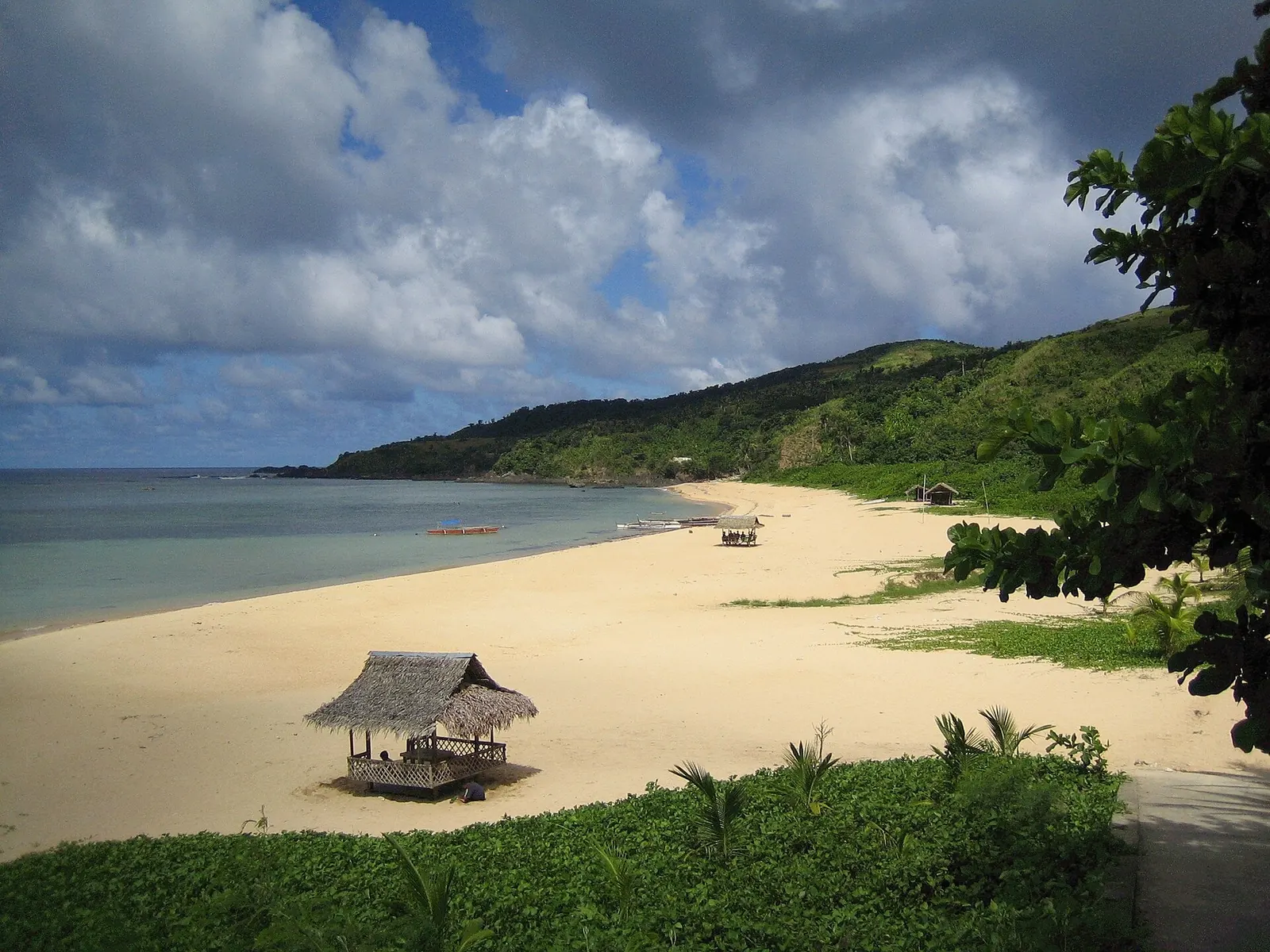
Basilan is often introduced through two competing pictures: an island of beautiful landscapes and a place described through conflict. Neither picture, on its own, explains much about the people who live there. A more useful introduction places its natural attractions beside the work of its cultural practitioners.
Bulingan Falls, featured in the Bangsamoro Board of Investments’ provincial guide, is one of the island’s recognizable landscapes. Its stepped rock face and surrounding vegetation provide a different view from the coast. The photograph accompanying this article shows the falls; it is an introduction to a place, rather than evidence of current visitor access or swimming conditions.
Looking closely at Yakan cloth
The Bangsamoro Commission for the Preservation of Cultural Heritage identifies tennun as the practice of making traditional Yakan woven cloth. The distinction between weaving and embroidery matters here: the designs are produced in the woven fabric, rather than simply added afterward as surface decoration.
The commission describes several categories, including bunga sama, sinalu’an and seputangan. Their names distinguish forms and patterns rather than interchangeable souvenir styles. Plant, animal and geometric imagery help make the textiles legible as cultural objects. Asking the maker to explain a pattern can therefore reveal more than choosing a piece only by its color.
The late Ambalang Ausalin, a Yakan master weaver from Lamitan, received the Gawad sa Manlilikha ng Bayan award for 2016. Her recognition places individual expertise at the center of the story. A textile tradition continues through people who learn techniques, practice them and teach others; a display case or tourism slogan cannot do that work by itself.
Appreciation without a simplified travel promise
For readers researching Basilan, a useful first step is to compare cultural documentation with current travel information. The former explains why a place matters; the latter helps establish whether a journey is appropriate. A scenic image cannot answer both questions.
The UK Foreign, Commonwealth & Development Office currently advises against all travel to western and central Mindanao and the Sulu archipelago. Overseas readers should consult their own government’s current advice and insurance conditions before considering a visit. Learning about Basilan’s heritage does not require minimizing the risks of travel—or allowing those risks to erase the island’s cultural achievements.
Research note: This regional guide was expanded with AI assistance and checked against the sources below. It is source-based writing, not a claim of first-hand reporting. Confirm current access arrangements before traveling.
Sources
Bangsamoro cultural heritage commission: Tennun of Basilan
Cultural Center of the Philippines: Ambalang Ausalin
Join the conversation
Sign in to comment