
Davao de Oro: Nature’s Canvas
Maragusan’s Rafflesia and Maco’s hot-water landscapes invite a closer look at living plants and geological processes.
Davao de Oro’s provincial tourism information identifies Rafflesia sites around Maragusan, including Mapawa and New Albay. The flower is an opportunity to learn about a particular plant, not simply to repeat a claim about the world’s biggest bloom.
Co’s Digital Flora of the Philippines lists Rafflesia mira and treats Rafflesia magnifica as a synonym. That helps explain why local tourism material may display both names for the plant.
A name carries a research history
The botanical record connects Rafflesia mira with Mount Candalaga and describes habitats near waterfalls in mid-montane rainforest. It lists the species as native and endemic to the Philippines, with records in Davao de Oro and Davao Oriental.
A botanical distribution is not a viewing schedule. It establishes where a species has been recorded, not whether a flower will be open on the day a visitor arrives.
Arrange a visit through local guides who can confirm a suitable, permitted site. Stay clear of the plant and its surrounding growth. A photograph should not require trampling vegetation, handling a bloom or revealing a sensitive location without the guide’s agreement.
Water shaped by heat
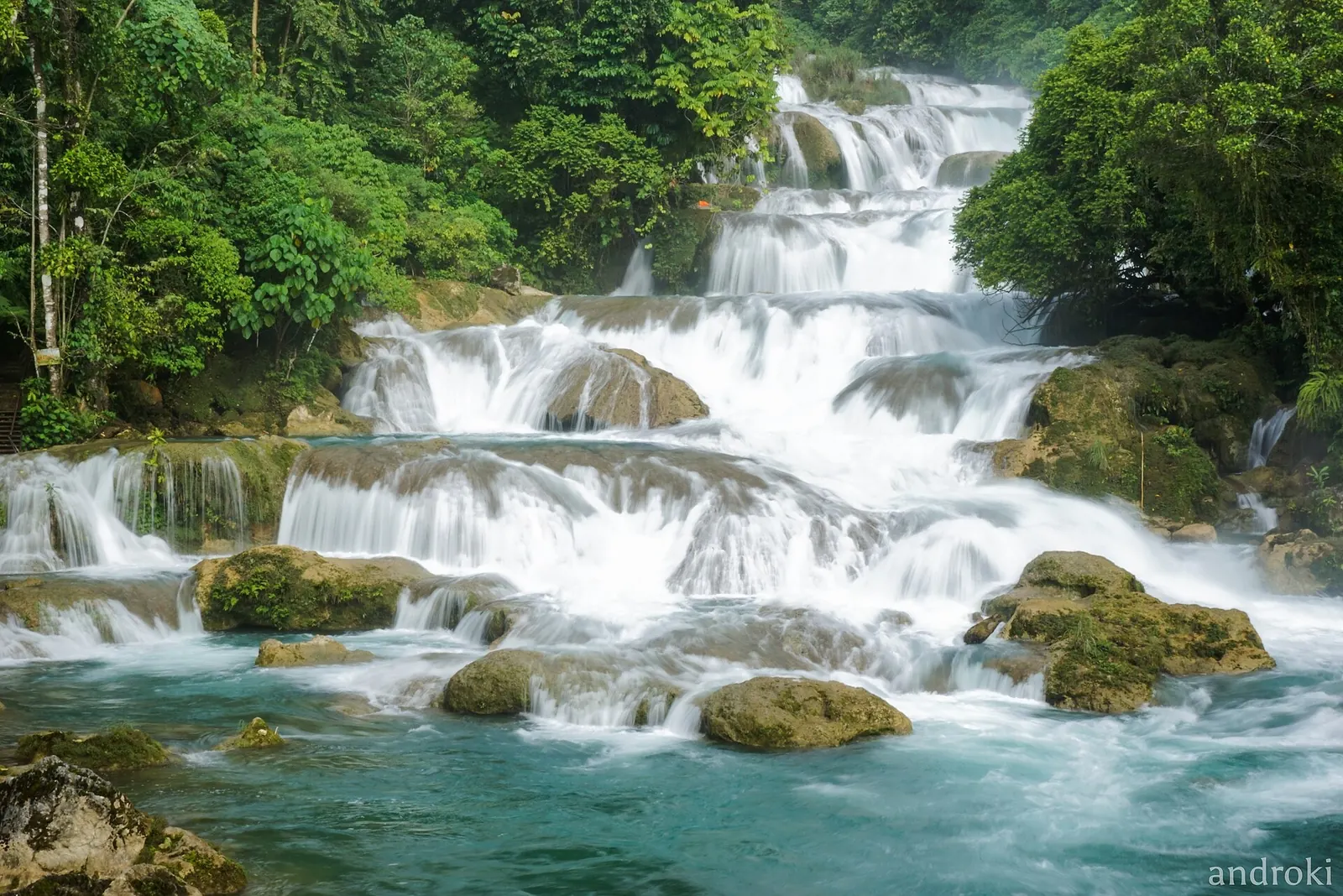
In Maco, the province separately describes Bilawa Mainit Hot Waterfalls, where hot water emerges from vents and moves over rock formations. Its tourism account identifies barangay management and the surrounding Mansaka community.
This is a different kind of attraction from a forest flower. Ask which viewing and bathing areas are permitted and follow temperature and access restrictions. Promotional descriptions of a “healing” spring should not be understood as evidence that its water treats disease.
The provincial circuit also identifies Lake Leonard as a volcanic-caldera landscape. These places reward interpretation of the land’s formation rather than a hurried sequence of stops.
Choose a route that leaves time to understand one or two sites. The province’s natural interest lies in specific relationships: a plant and its habitat, hot water and rock, and communities managing places where visitors arrive. Those details offer more than a generalized picture of untouched nature.
Research note: This regional guide was expanded with AI assistance and checked against the sources below. It is source-based writing, not a claim of first-hand reporting. Confirm current access arrangements before traveling.
Sources
Davao de Oro province: Rafflesia sites in Maragusan
Co’s Digital Flora of the Philippines: Rafflesiaceae
Davao de Oro province: Bilawa Mainit, Lake Leonard and related sites
Join the conversation
Sign in to comment