
Sarangani’s Maitum Burial Jars: Reading a Coastal Heritage
What the Maitum burial jars tell us, where to begin looking for them, and how archaeological heritage connects with Sarangani’s living coast.
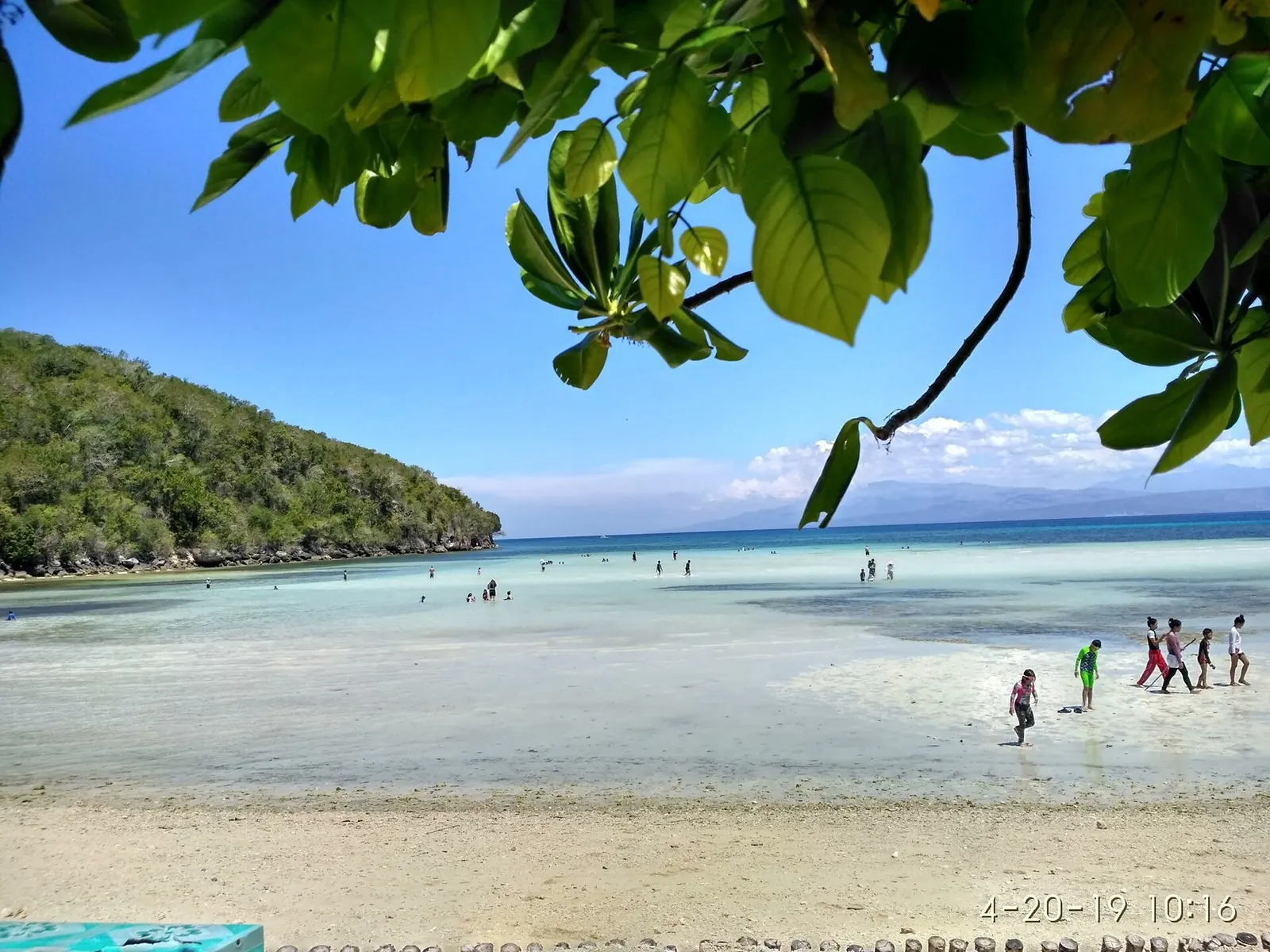
Sarangani’s shoreline is part of a lived landscape, not simply a setting for a beach holiday. Two useful starting points are the marine habitats of Sarangani Bay and the burial vessels associated with Maitum.
The National Museum identifies the Maitum anthropomorphic burial jars as National Cultural Treasures. Their human-like features belong to a mortuary tradition, giving the objects a significance beyond decorative pottery.
What a burial jar can reveal
The museum distinguishes primary burial, in which a body is placed directly in a container, from secondary burial, in which remains are transferred after an earlier interment. It places the Maitum jars within the latter tradition.
That explanation helps a viewer understand function before judging appearance. A vessel’s form, associated objects and archaeological context can contribute to an interpretation of how a community treated its dead.
It does not follow that every facial feature can be read as a confirmed portrait, or that modern visitors can reconstruct every belief from an object alone. Archaeological interpretation depends on context as well as appearance.
Museum displays and authorized local interpretation are appropriate ways to learn about this heritage. A cave or archaeological site should never be approached as a place to collect fragments or enter without permission.
Where to begin looking at the jars
An object’s place of origin and its current exhibition venue are not necessarily the same. The National Museum’s collection page identifies Maitum in Sarangani as an archaeological source and says most of its burial-jar collection is displayed in Palayok: Ceramic Heritage of the Philippines, on the second floor of the National Museum of Anthropology in Manila.
For a Manila museum visit, ask which Maitum objects are currently on display before making a journey to see a particular jar. The collection page describes the wider holdings; it does not guarantee that every photographed object is in a gallery today. For a visit in Sarangani itself, separately confirm local exhibits and authorized access rather than assuming an excavation site is a visitor attraction.
Three questions to bring into the gallery
Start with the label: does it identify a complete vessel, a restored object or a fragment? Then look at the relationship between lid and container rather than isolating the face as a portrait. Finally, distinguish what the object shows from what the accompanying interpretation proposes about its use.
A useful museum note has three parts: the object and its recorded origin; an observation you can actually see; and a question for the curator. Keeping those parts separate prevents a striking image from turning into a confident story about a person whose identity is unknown.
The same attention to objects and context can enrich a visit to Fort Santiago’s memorial spaces. In both settings, an accurate label matters more than a dramatic explanation.
A living seascape
DENR’s coastal-management reporting separately documents monitoring of seagrass and mangrove habitats in Sarangani Bay Protected Seascape. These environments add depth to a coastline often described only through sand and swimming.
Monitoring is repeated work: observations made at particular stations and times help show how habitats change. A protected designation does not mean a marine environment is free from pressure.
For a coastal visit, choose activities that follow local protected-area rules and avoid disturbing plants or animals for a photograph. Ask guides what habitat is being observed and how visitors are expected to move through it.
Sarangani offers a productive pairing of perspectives. Archaeology helps explain earlier relationships with the coast, while habitat monitoring concerns the environment that communities depend on today. Both call for attention to evidence and care for what remains.
Research note: Museum collection and exhibition-location information was checked October 26, 2026. Verify the display of individual objects directly with the museum. The earlier regional guide was developed with AI assistance. This is source-based writing, not a claim of a reporting visit.
Sources
National Museum: burial jars and the Maitum collection

Join the conversation
Sign in to comment