
After the Ash: The Five Coves of San Antonio, Zambales
Along the western coast of Luzon, Anawangin, Nagsasa, Talisayen, Silanguin and Agnaem reveal a landscape whose beauty carries the memory of change.
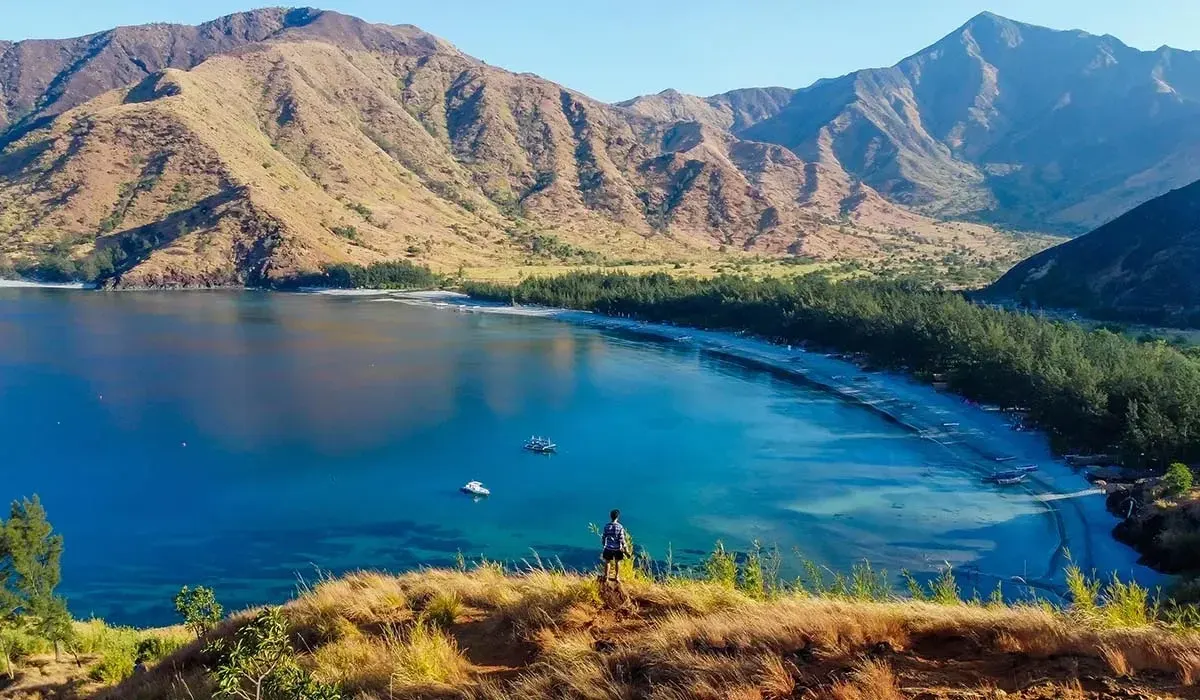
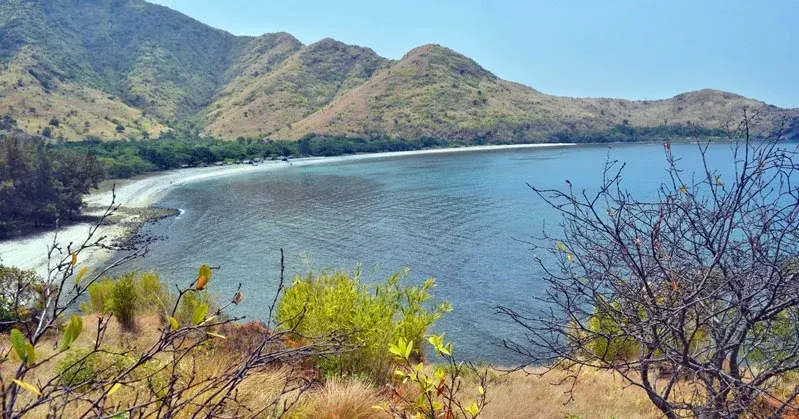
Mountains descend toward the sea. Beaches curve between headlands. Behind stretches of pale and gray sand, trees lend shade to a coastline that has become closely associated with camping, boat journeys and weekends away.
These are the coves of San Antonio, Zambales, on the western side of the Philippine island of Luzon. Five names help tell their story: Anawangin, Nagsasa, Talisayen, Silanguin and Agnaem, also known as Agnain. Together, they offer different views of a coast where mountain and sea meet within a relatively compact stretch of country.
Their beauty invites an easy description: paradise.
Their history asks for something more thoughtful.
On June 15, 1991, Mount Pinatubo erupted catastrophically. Ash and rock fragments accumulated across the volcano’s slopes, and heavy rain began carrying those deposits into surrounding lowlands as lahars. The destruction continued through subsequent rainy seasons, long after the eruption itself had passed.
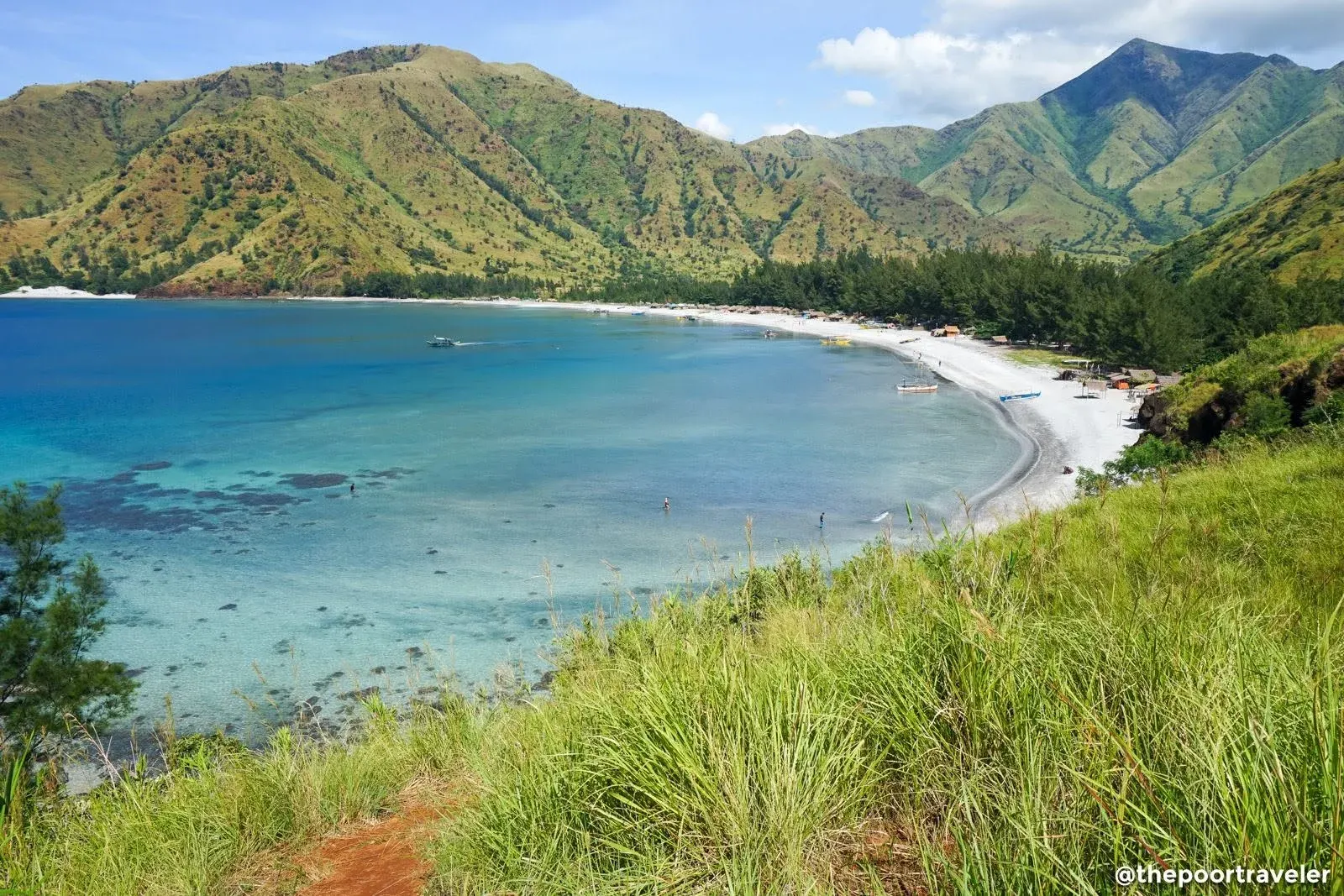
Along parts of San Antonio’s coast, the eruption also became part of the story of the beaches visitors encounter today. Travel accounts describe ash altering formerly rocky shores at Anawangin and Nagsasa. The Department of Tourism’s regional guide identifies volcanic ash sand as one of Anawangin’s defining features. These places experienced change; their present appearance should not be mistaken for evidence that disaster passed them by.
That distinction matters. A beautiful landscape can emerge after devastation without making the devastation fortunate. Appreciating what exists today leaves room for remembering what communities endured.
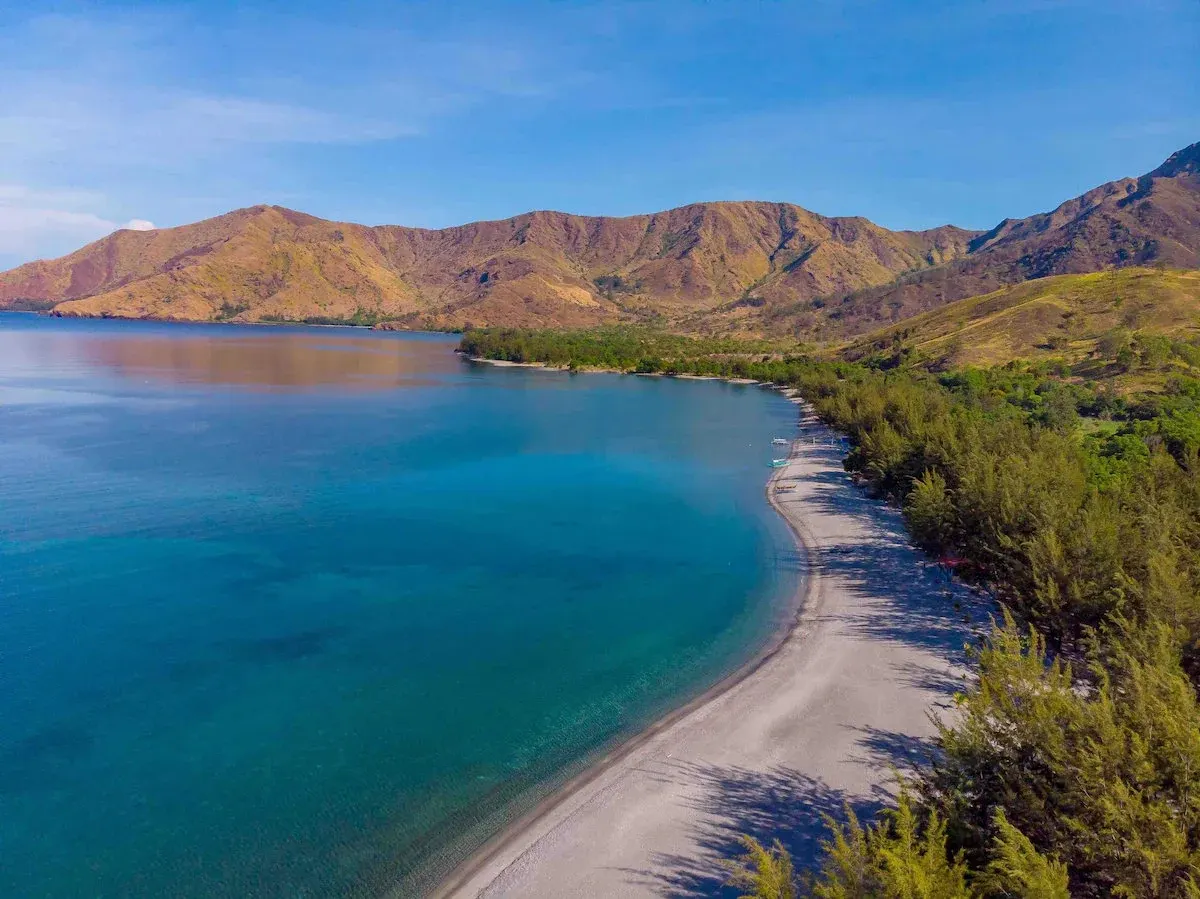
Anawangin provides perhaps the most recognizable introduction to this coast. Its appeal lies in an unusual combination: a beach backed by mountains and stands of agoho trees. Their fine, needlelike foliage gives them a resemblance to pines, although agoho belongs to the casuarina group. The resulting landscape challenges the familiar tropical image of coconut palms leaning over sand.
Here, the trees are part of the beach’s identity. So is the ash associated with its transformation. Anawangin invites visitors to consider a shoreline as something continually shaped by events beyond its immediate horizon.
Nagsasa offers another expression of that relationship. Hills frame the cove, while agoho trees stand behind its beach. Like Anawangin, its sandy shore is widely described in travel reporting as having been transformed by Pinatubo’s deposits. Pundaquit serves as its principal gateway by sea.
Its setting encourages a wider view. From the water or the surrounding slopes, the beach becomes one element in a larger composition of ridges, vegetation and open sea. The attraction reaches beyond the place where a visitor might pitch a tent.
Talisayen, also spelled Talisayin, sits between Anawangin and Nagsasa. It shares the neighboring coves’ combination of an ashen shoreline and agoho trees. Travel writers have often described it as the quieter stop, receiving less attention than the better-known beaches nearby. That reputation is best understood as a contrast in visitor experience, rather than a promise that it will always be empty.
Its place in the story is significant precisely because it can be overlooked. A coastline’s value extends beyond its most photographed destination. Smaller stops, less familiar names and places passed on the way elsewhere deserve attention on their own terms.
Silanguin has a distinct appearance. Farther along the coast from Pundaquit, it is known for light gray sand and surrounding mountains with reddish tones. Those features distinguish it from the familiar images of Anawangin and Nagsasa.
Silanguin also offers a useful reminder about the limits of a single explanation. These coves belong to the same coastal journey, but that does not mean their beaches have identical histories or that every grain of sand should be attributed to the 1991 eruption. Their differences are part of what makes the journey interesting.
Agnaem, or Agnain, completes this selection of five. Accessible from Pundaquit, it brings together sandy stretches, pebbles and rocky sections beneath a mountainous backdrop. Accounts of visits describe a shore whose texture changes as one moves along it.
It broadens the picture of San Antonio beyond its most familiar destinations. There is no single beach that can stand for the entire coast.
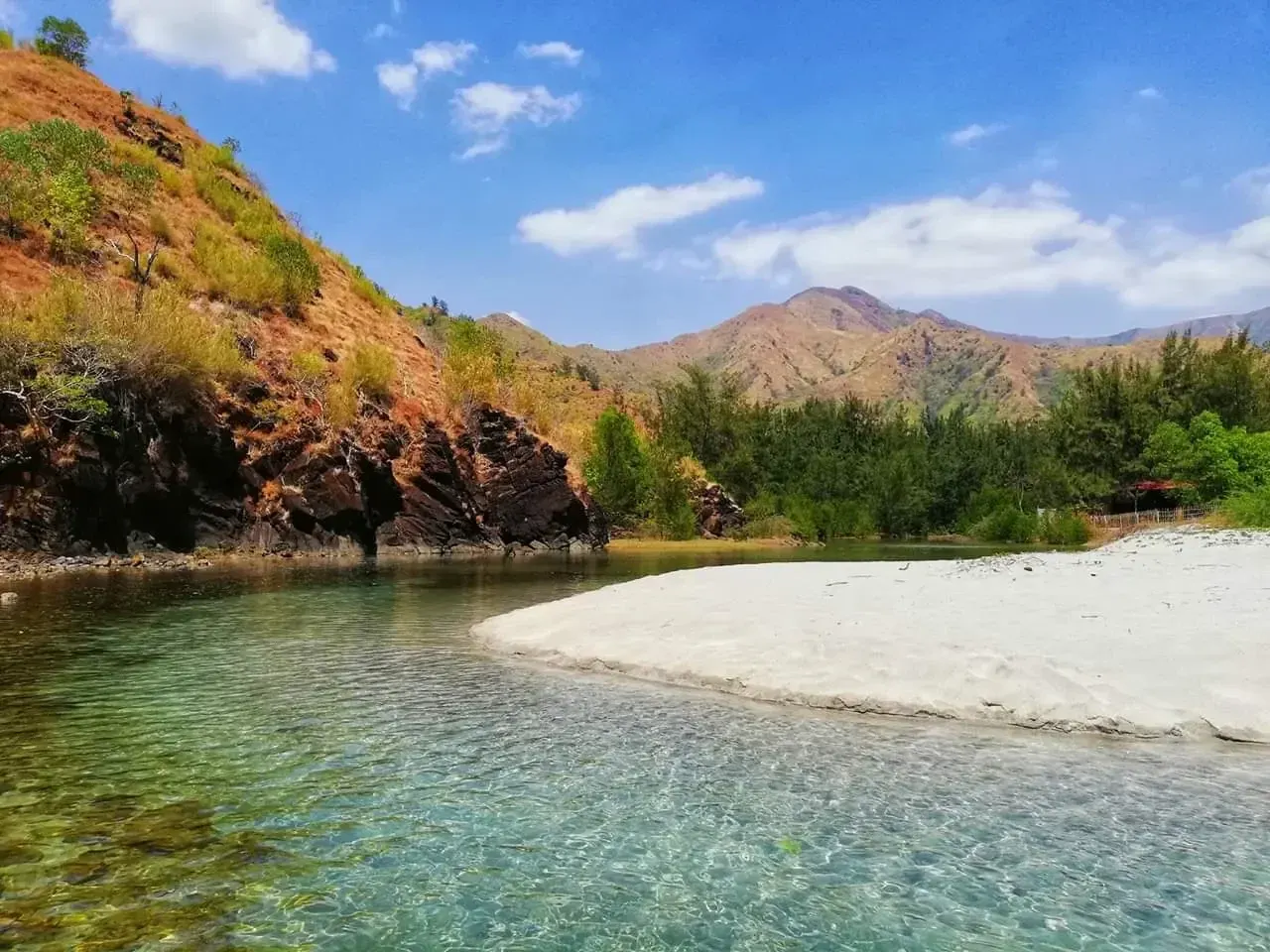
Nor should the journey erase the communities from which it begins. Pundaquit remains a gateway to these coves, connecting visitors with boats and local operators. Its role is central to the experience, rather than incidental to the scenery beyond it.
To describe the coves as survivors can be meaningful, provided survival allows for transformation. Their beauty does not depend on having remained exactly as they were before 1991.
What matters now is how that beauty is treated. Tourism brings a responsibility to manage waste, respect local communities and avoid consuming the very qualities that make a place worth visiting.
Anawangin, Nagsasa, Talisayen, Silanguin and Agnaem deserve more than a place on an itinerary. They deserve the attention of visitors willing to ask how a landscape came to look this way—and what must be cared for so that it remains worth returning to.
Join the conversation
Sign in to comment