
Capones Island, Zambales: Planning a Thoughtful Trip from San Antonio
A guide to Capones Island off San Antonio, Zambales: its maritime heritage, boat access and the questions to ask before leaving Pundaquit.
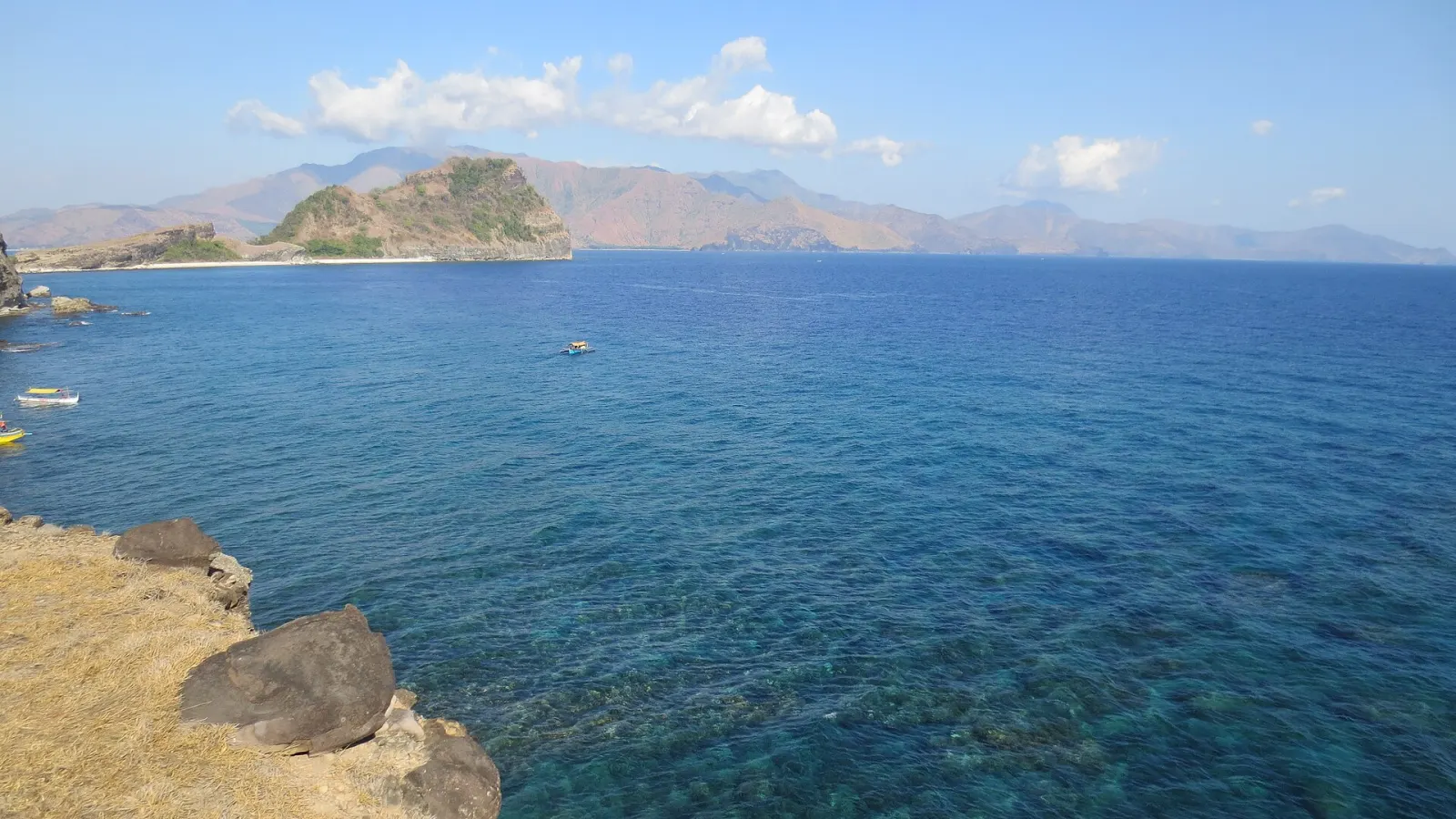
Capones Island rewards a different kind of travel planning. The beach and lighthouse may be the reasons to go, but the quality of the visit depends on details decided before the boat leaves: where it can land, which paths are open and how much time the sea allows.
Off San Antonio, Zambales, Capones brings together a coastal landscape and a history of navigation. It is an appealing destination for travelers who want their beach trip to include something to understand as well as somewhere to swim.
Where Capones fits on the coast
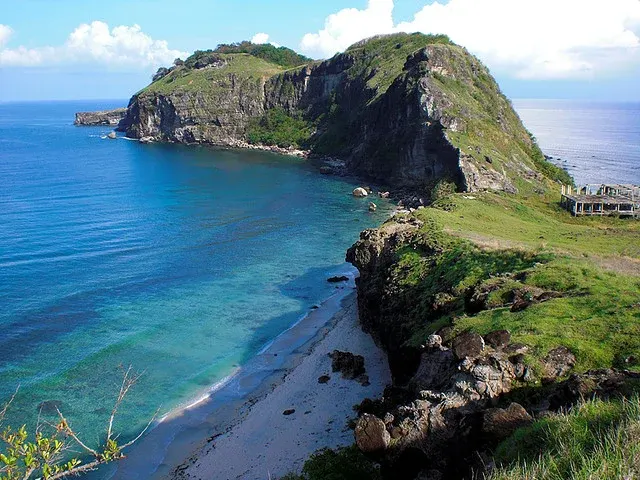
Philippine Beach Guide places Capones roughly four kilometers off Pundaquit and describes an island of cliffs, rocky shore and light-colored beaches. It commonly features in boat itineraries from Pundaquit or San Miguel, sometimes alongside nearby islands or the coves of San Antonio.
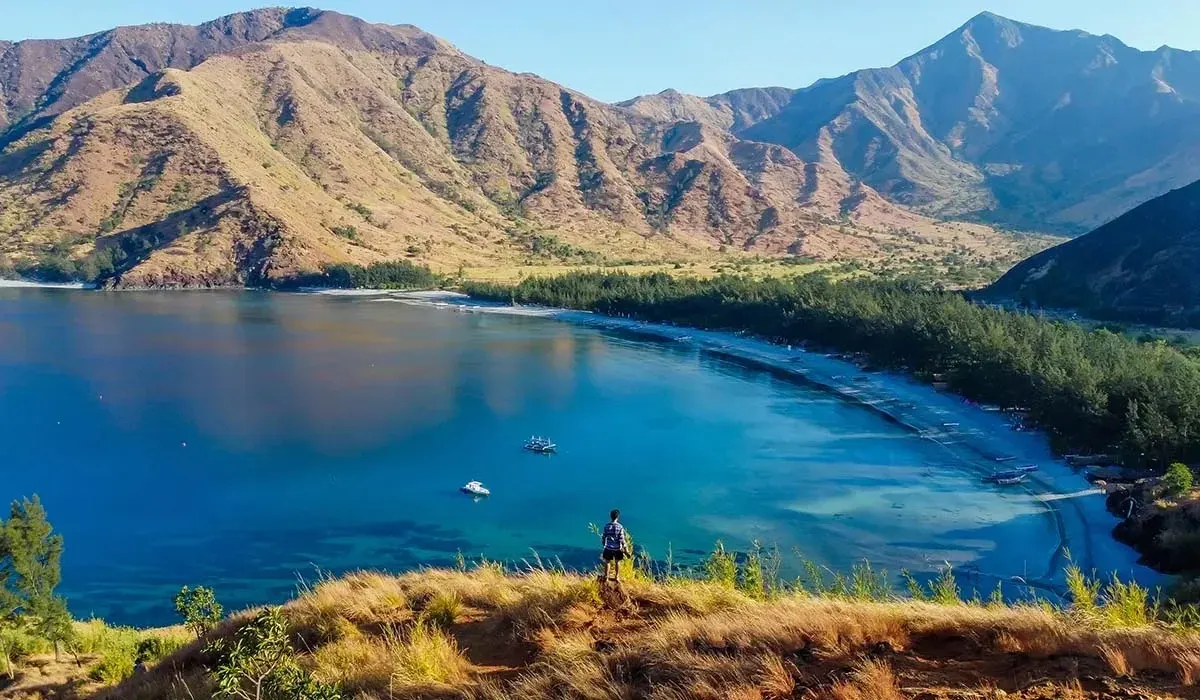
When comparing packages, ask the operator to name the actual stops. Capones and Camara are islands; Anawangin and Nagsasa are coastal coves. The distinction matters when deciding whether the day should center on a boat trip, time on a beach or a walk toward the lighthouse.
A shorter itinerary can be the better one. Fewer stops leave room to look at a place, ask questions and return without turning every delay into a race against the clock.
A lighthouse with a working history
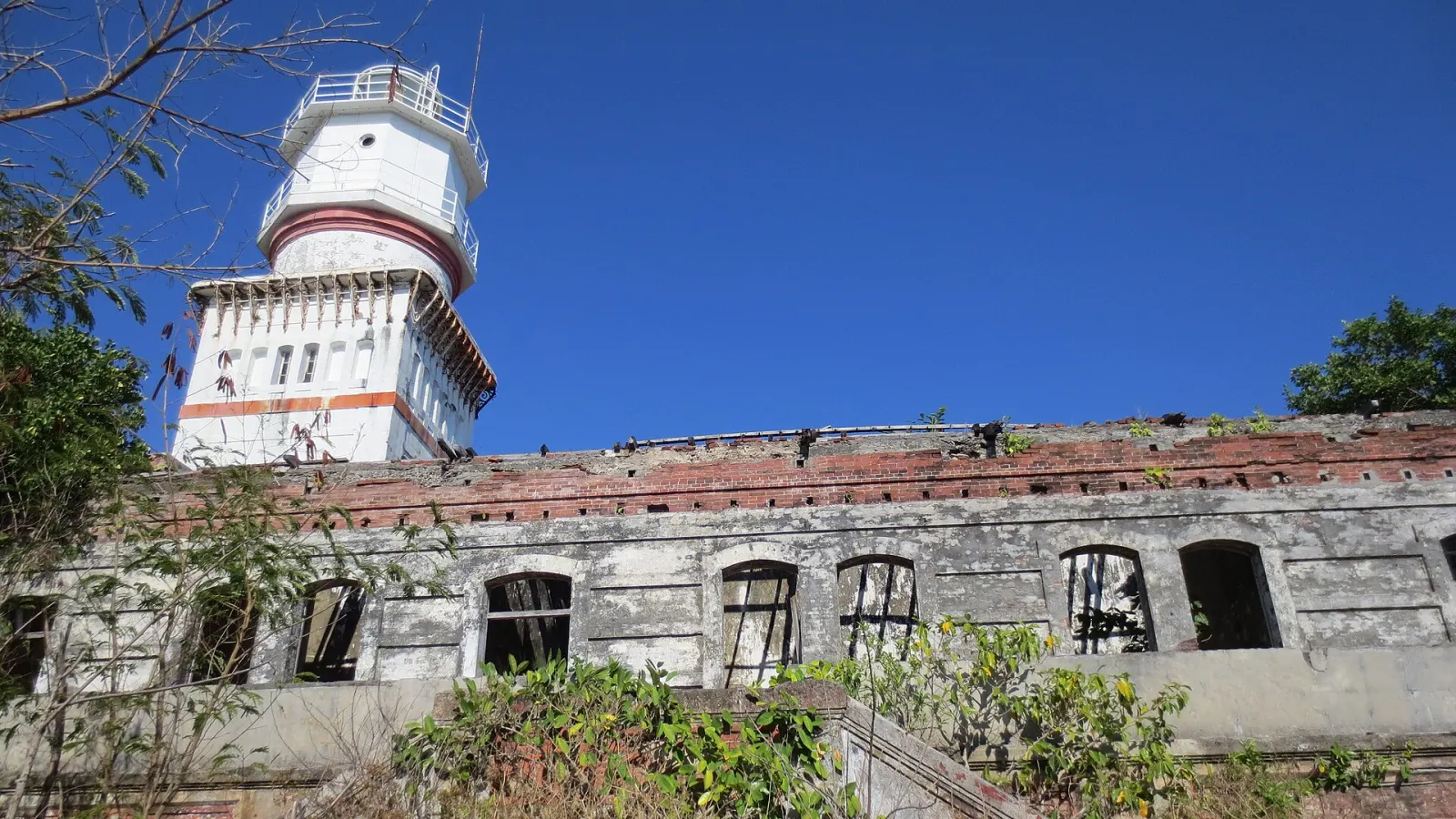
The lighthouse gives Capones a significance beyond its appearance in travel photographs. A 2026 Inquirer report discussed plans to develop it as a heritage and tourism site, including attention to the keeper’s quarters. That report also described access by boat from Pundaquit or San Miguel, subject to weather and tides.
For readers interested in tracing the history, the National Historical Commission of the Philippines identifies older names such as Capon Grande and Faro de Punta Capones. Its research guidance points toward nautical references, archives and public-works records. Those sources offer a way to investigate how the island served people moving along the coast.
The lighthouse is worth viewing as infrastructure as well as scenery: a structure associated with finding a route, recognizing a coast and getting people and cargo safely toward their destination.
Questions to ask before booking
Confirm the departure point, number of passengers, planned stops, return arrangements and everything included in the quote. Ask separately about any entrance or environmental charges. An old social-media price may describe a different group size or a different route.
Also ask whether a lighthouse visit means landing on the island, walking to the grounds or entering a building. These are different activities. Access to one does not guarantee access to all, and a boat package should not be treated as permission to enter a closed structure.
For the land journey, travelers commonly continue from San Antonio town to Pundaquit before arranging the boat. Verify current transport schedules with the operator rather than planning a tight connection around an estimated journey time.
A simple worksheet for comparing boat quotes
Write the named stops at the top of each quote, then separate the costs into shared and per-person amounts. Shared costs may include the boat and a mainland transfer; individual costs may include admission, food or equipment. Ask which items are already included so you do not count them twice.
For your own worksheet: per-person trip cost = shared charges divided by the number of paying passengers, plus each passenger’s separate charges. Use the operator’s actual figures and passenger limit. This formula is not a local rate or permission to add passengers to a boat.
Compare three possible plans: Capones only; Capones with another island; or an itinerary combining islands and a cove. Ask how much time is available at each stop and what happens if landing at Capones is not possible. A package that passes the island from the water is different from one that includes time ashore.
Put the return pickup, weather cancellation and refund terms beside the price. Those terms matter especially if you are coordinating a boat with a mainland bus departure. Leave flexibility between the two legs rather than making an unverified crossing estimate the basis of a tight connection.
Let sea conditions decide the crossing
Wear a correctly fitted life jacket and follow the crew’s instructions throughout the boat journey. The Philippine Coast Guard’s recreational-watercraft guidance emphasizes personal flotation devices and operating within designated routes. A good itinerary must allow a trip to be delayed, shortened or cancelled when conditions require it.
Check the latest PAGASA gale warning before departure and read its issue time and affected coasts. Ask the operator about local Coast Guard restrictions and the actual landing conditions. A forecast page alone is not clearance for a particular small boat or island landing.
Bring drinking water, sun protection, suitable footwear and a bag for taking rubbish back to the mainland. Ask your guide where walking and swimming are appropriate. Keep away from unstable structures and avoid standing on coral or collecting anything from the shore.
For more context, read our earlier Capones lighthouse feature. The most satisfying visit gives both the coast and its history time to register. A lighthouse was built to make travelers pay attention to where they were going; it can still encourage that habit today.
The quote-comparison worksheet and PAGASA reference were added October 26, 2026. They do not establish current boat rates, landing permission or lighthouse opening. Confirm those details locally; the historical references were reviewed October 22.
Join the conversation
Sign in to comment