
Camiguin: An Island Shaped by Fire and Water
Volcanic history, springs and offshore sandbars give the island its varied character.
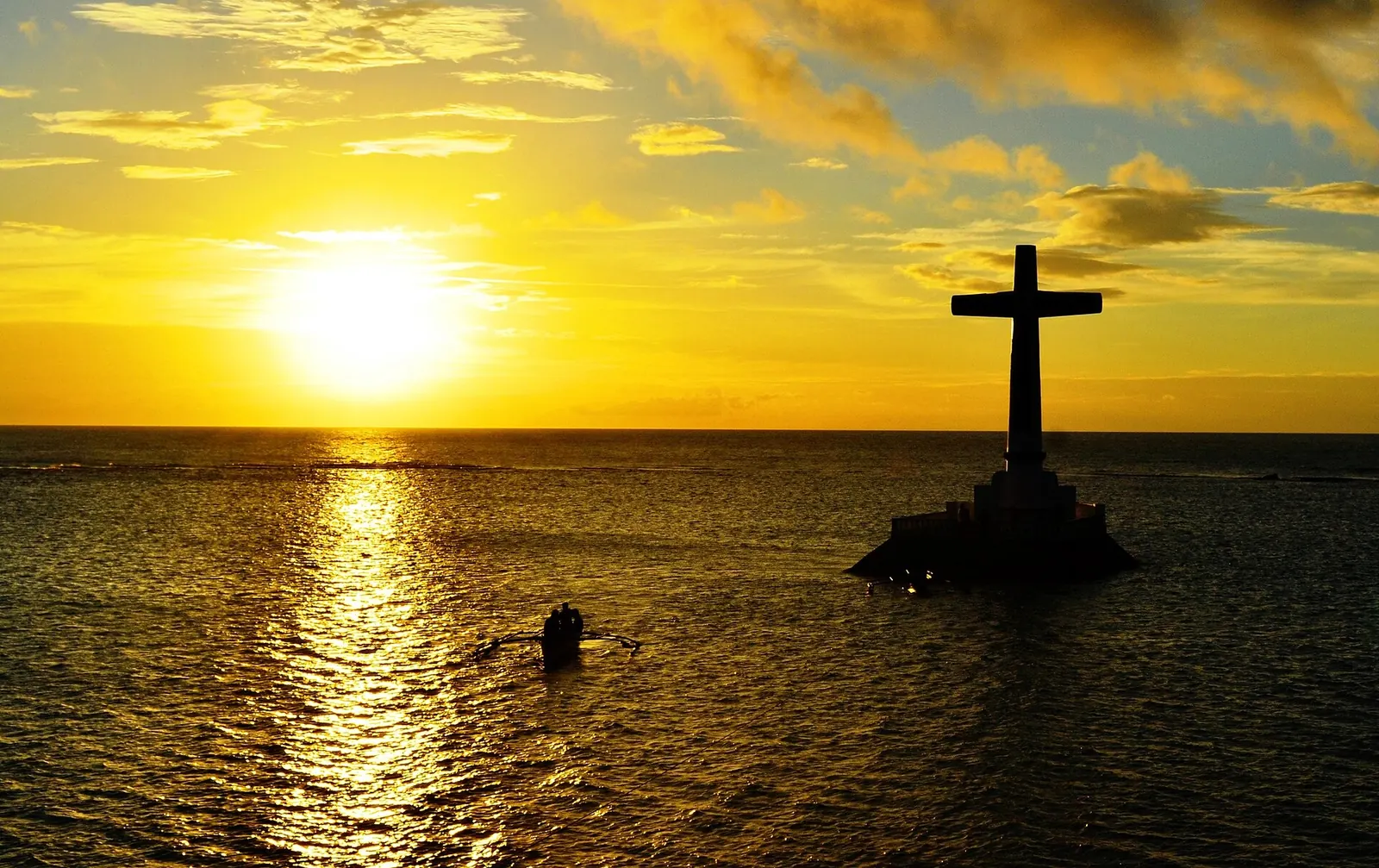
Camiguin’s volcanic origins are visible in its mountain profile and in places where the past has left a striking mark on the coast. The Sunken Cemetery, with its cross rising above the water, is one of the island’s most familiar landmarks.
Offshore, White Island and Mantigue offer a different setting, where sand and marine scenery dominate the view. On the main island, hot and cold springs provide another expression of Camiguin’s relationship with water and geology.
Hibok-Hibok remains an active volcano, so the island’s history should not be treated as a story that has simply ended. Camiguin’s beauty lies partly in this close relationship between landscape and change: mountain, shoreline and water together shape a place with a very distinctive character.
Join the conversation
Sign in to comment