
Regine Velasquez’s FINALE: Three Nights, Four Decades and a New Chapter
Regine Velasquez’s FINALE concerts celebrated 40 years in music—and clarified what her farewell to major solo shows really means.
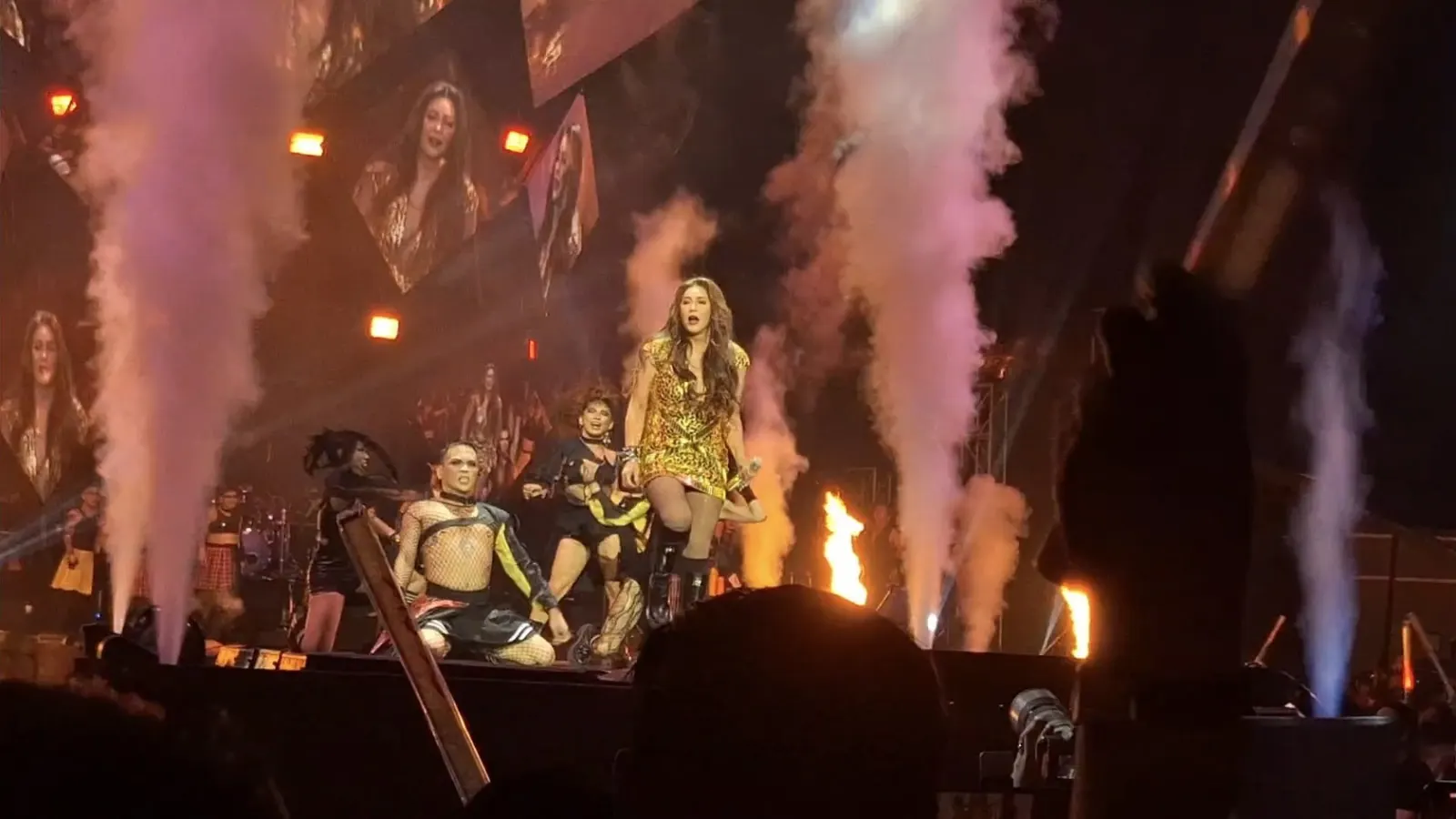
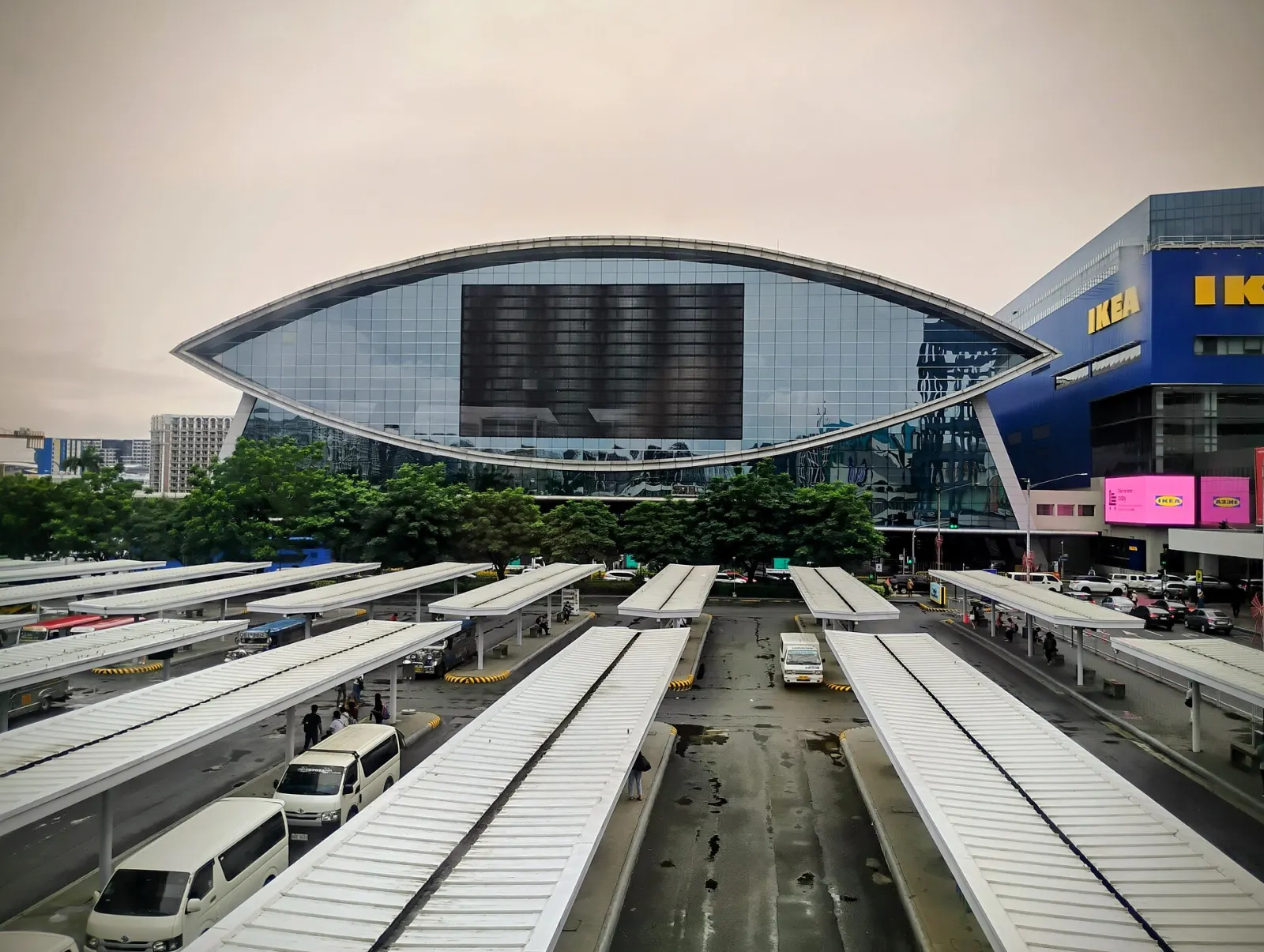
A concert called FINALE invites a question that outlasts the last song: what, exactly, is ending? For Regine Velasquez-Alcasid, the answer is more specific than retirement. Her October 17–19, 2026 concert series at the SM Mall of Asia Arena marked four decades in music and the closing of her major solo-concert chapter. It also opened a conversation about how an artist continues when the voice, the body and the expectations surrounding them change.
What FINALE meant
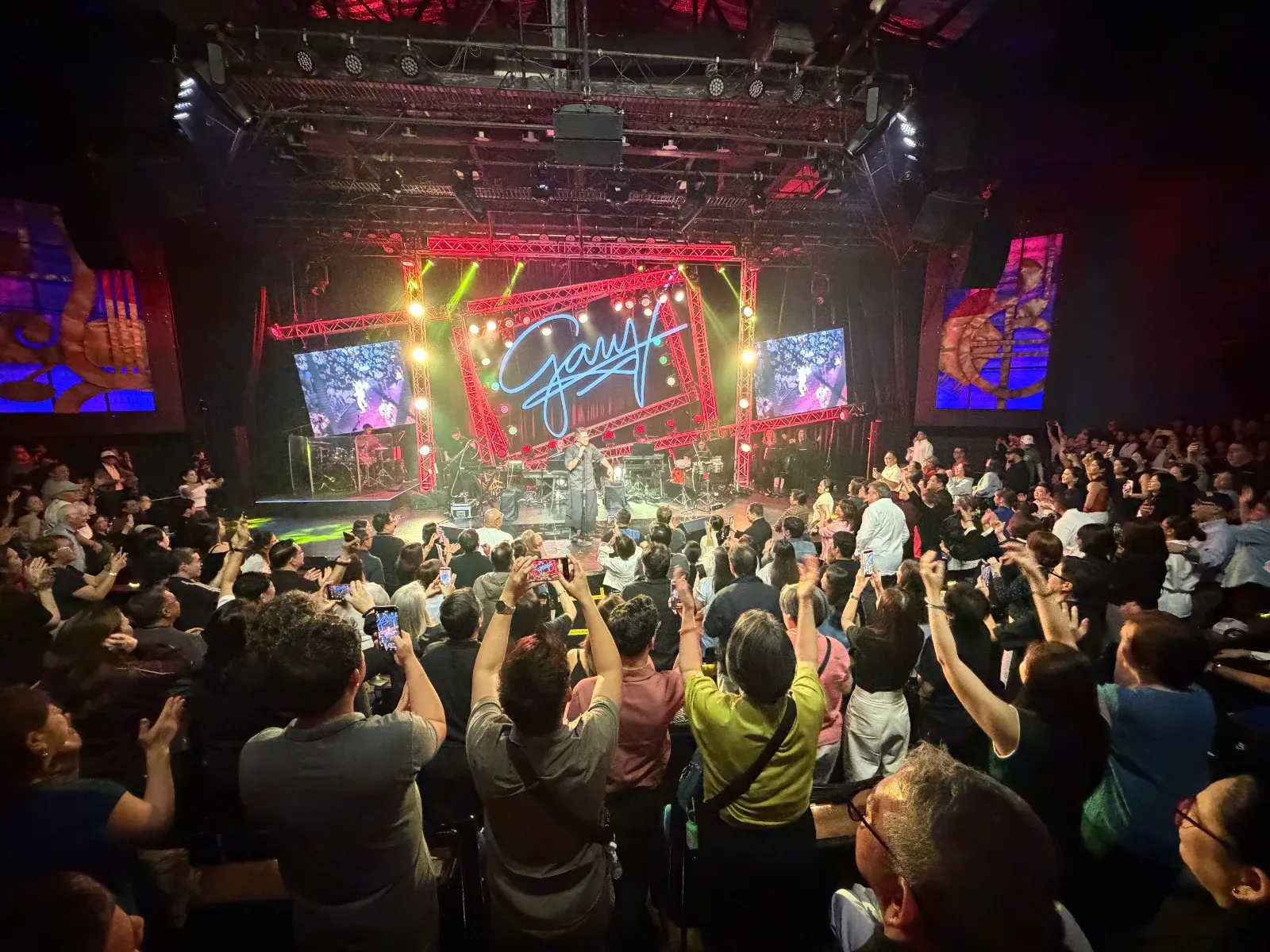
Before the shows, Velasquez had already distinguished stepping away from large productions from leaving music altogether. In an August interview reported by PEP.ph, she said she remained open to smaller concerts and had projects planned for the following year. She also spoke about the pressure of major shows and the demands of performing as she grew older.
That distinction gives the title its proper scale. FINALE described a decision about the kind of concert she wanted to undertake. It did not announce the disappearance of Regine Velasquez from the stage or from the recording studio.
An anniversary that became three nights
The series began with two announced dates, October 17 and 18. A third performance was added for October 19, as Billboard Philippines reported. The expanded run gave more listeners a place in a celebration built around her 40th year in the industry.
Manila Bulletin’s advance coverage identified Paolo Valenciano as stage director and Raul Mitra as musical director. Their roles underline how much sits behind an anniversary concert: arrangements, pacing and visual storytelling must give familiar material a shape that works in the present.
Songs, reunions and the meaning of a changed voice
In his Rolling Stone Philippines account of the second night, Christian San Jose described a performance that acknowledged the changes in Velasquez’s voice. His report included her explanation that she was retiring some demanding songs from her repertoire, alongside performances of familiar material and reunions with fellow artists.
Among those moments were Jose Mari Chan joining her for Please Be Careful with My Heart and the appearance of Donna Cruz and Mikee Cojuangco, her co-stars in the 1996 film Do Re Mi. These details place the evening within a wider creative life: recording, movies, collaborations and the relationships that audiences associate with them.
An anniversary show can easily become a test of whether a singer still sounds exactly as she did years ago. A more generous way to listen leaves room for interpretation, altered arrangements and experience. A familiar song can carry a different weight when the person singing it has lived another decade.
What comes after the farewell
The published accounts of FINALE suggest a transition whose significance reaches beyond one set list. For listeners, songs may hold private memories. For the performer, those same songs are also work—material that must be rehearsed, paced and physically sustained.
Velasquez’s own comments offer the clearest guide to what follows. Smaller performances remain a possibility. A final major solo concert can therefore close one form of work while making room for another. That is a quieter, more useful understanding of FINALE than treating its title as the end of every future song.
Explore more stories about Filipino arts and music.
Reporting note: This feature is based on the linked interviews and published concert coverage, reviewed on October 22, 2026. It is not an eyewitness concert review.

Join the conversation
Sign in to comment