
A Filipino First: Cardinal Tagle Becomes Dean of the College of Cardinals
His election marks a historic moment for the Philippines and Asia—and brings renewed attention to the kind of leadership faith requires in the modern world.
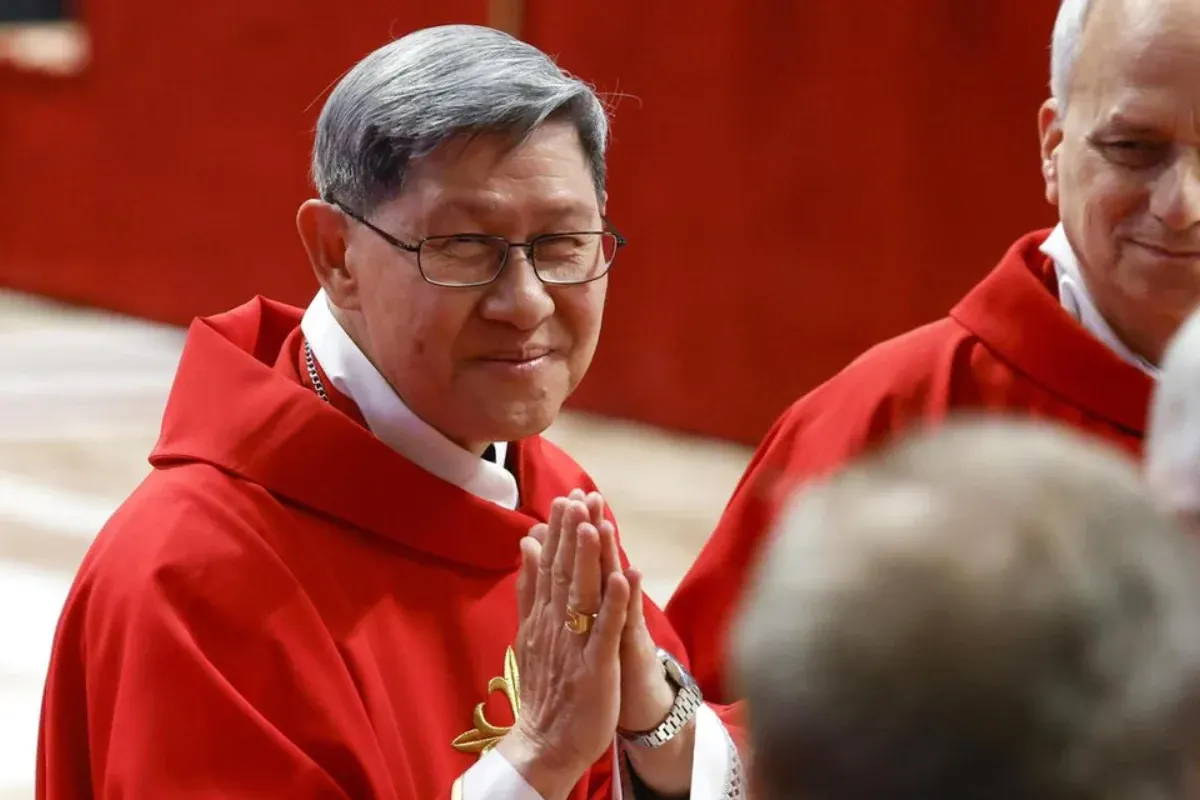
Cardinal Luis Antonio Tagle has become the first Filipino and the first Asian to serve as dean of the College of Cardinals, bringing a Philippine voice to an office with a central role in the life and continuity of the Catholic Church.
Pope Leo XIV approved his election by the cardinal bishops, the Vatican confirmed on October 9, 2026. Tagle, 69, succeeds Italian Cardinal Giovanni Battista Re.
For Filipino Catholics, the milestone carries a particular resonance: a churchman formed in their own parishes, seminaries, and communities has been entrusted with a responsibility whose reach extends across the world.
Its deeper significance, however, rests in the work ahead. The dean’s office calls for the ability to bring fellow leaders together, preserve continuity, and serve a Church whose members speak different languages and live under profoundly different circumstances.
The title itself offers a useful starting point.
Under canon law, the dean is “first among equals.” He presides over the College of Cardinals but holds no power of governance over the other cardinals. His leadership operates within a college whose members advise the Pope and, when eligible, elect his successor.
The dean’s responsibilities become especially consequential during a papal transition. He presides over the cardinals’ general congregations; if eligible to participate, he also presides within the conclave. The rules of papal election assign the dean—or the cardinal taking his place—the task of asking the elected candidate whether he accepts and what name he wishes to take.
Holding the office does not designate Tagle as the next pope. That decision belongs to a future election. His new responsibility already has significance of its own.
Tagle’s path to this moment began decades before his work in Rome. Born in Manila in 1957, he was ordained a priest in 1982 and served in parish ministry, theological education, and seminary formation. He became bishop of Imus in 2001 and archbishop of Manila in 2011. Pope Benedict XVI created him a cardinal the following year.
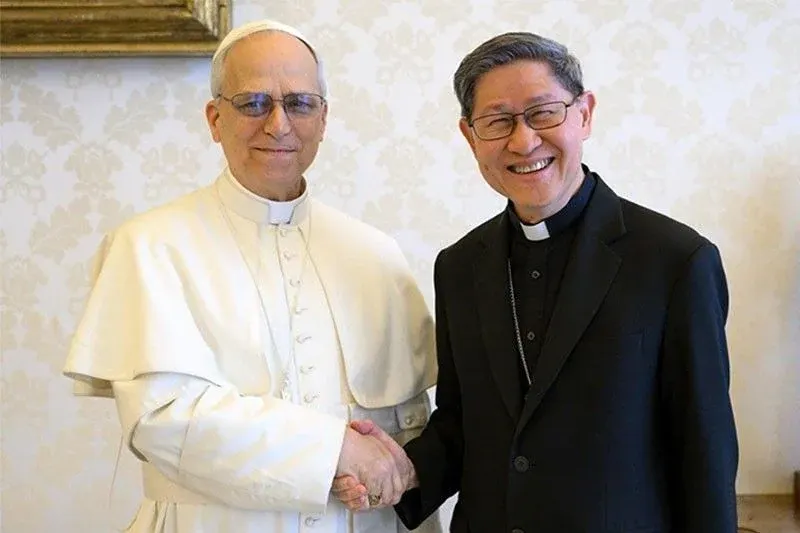
His responsibilities eventually expanded to the Vatican. He serves as pro-prefect of the Section for the First Evangelization and New Particular Churches within the Dicastery for Evangelization, placing him closely alongside the Church’s missionary work.
That combination of local ministry and international responsibility gives the milestone a meaning beyond geography. Tagle brings experience of teaching, parish life, and pastoral leadership to an institution that must continually connect its worldwide responsibilities with the realities of individual lives.
For the Philippines, his election offers an occasion to consider what representation should accomplish. The presence of a Filipino in a prominent Church office can inspire pride. Its lasting value will also depend on how that presence contributes to listening, understanding, and service.
A universal Church needs leaders capable of recognizing experiences far beyond their own. Tagle’s Filipino identity is part of what he brings to that task, alongside the obligation to serve people of every nationality.
His recent reflections on faith provide one indication of his pastoral priorities.
Speaking at the Philippine Conference on the New Evangelization in Manila in July 2026, Tagle emphasized friendship as a way of making the Church’s presence real in people’s lives. He encouraged relationships grounded in patience, honesty, and care, including the willingness to offer difficult guidance.
“Do not be afraid to build friendships,” he told participants.
Those words offer a useful lens through which to consider his new responsibility. Friendship requires attention to another person’s circumstances. It makes room for disagreement without abandoning the relationship. In religious leadership, those qualities can help turn an institutional encounter into a human one.
The challenge for faith in the modern world is partly a challenge of credibility. What does compassion look like when someone needs practical help? How does a religious institution listen to people who feel unheard? How can its leaders speak with conviction while remaining willing to learn?
No single election answers those questions. A historic first creates an opportunity; the service that follows gives it substance.
For Tagle, the task now includes helping a diverse college of church leaders carry out its shared responsibilities. For Filipino Catholics watching him assume the role, the moment offers both recognition and an invitation to reflect on their own contribution to the wider Church.
The Philippines has a place in this chapter of Catholic history. What comes next will be measured in the patient work of leadership: the relationships sustained, the responsibilities fulfilled, and the people served.


Join the conversation
Sign in to comment