
The New Pinoy Big Brother House: Where It Is and What Happened to the Old One
PBB has a new address in Quezon City. Behind the move is a story about television, changing workplaces and a familiar Filipino landmark.
A television house has an unusual kind of address. Most viewers never enter it, yet they recognize the doorway. They associate its rooms with people they have watched grow confident, lose an argument, make a friend or leave carrying a suitcase. When the building changes, something that existed mostly on a screen becomes a very real place to miss.
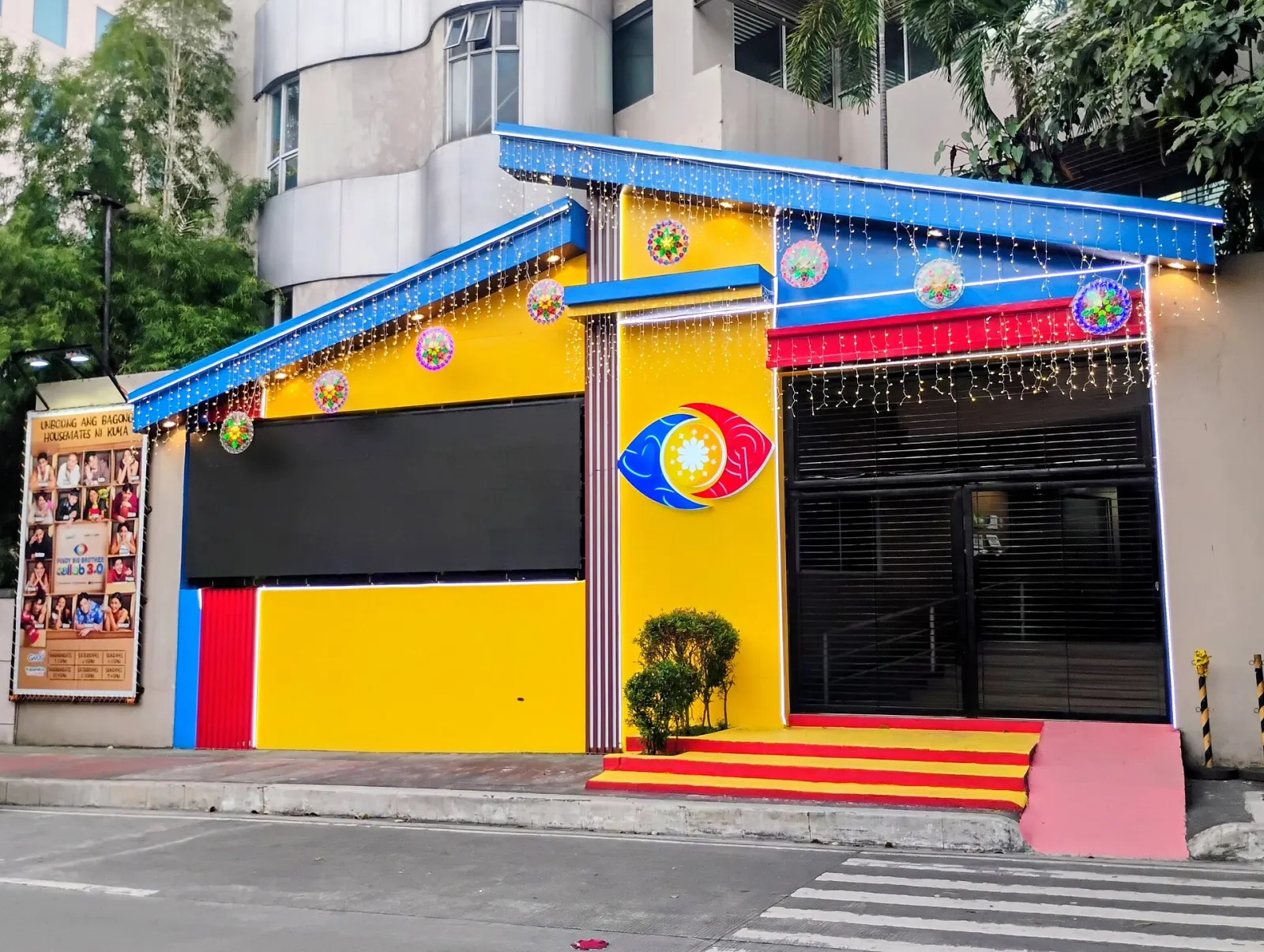
That is the story behind the new Pinoy Big Brother house in Quezon City, Metro Manila. The show has moved, but reports about its new location require one useful distinction: the public-facing façade and the rooms used for the competition are not necessarily the same part of the production complex.
Where is the new PBB house?
Philstar’s October 21 report identifies the new public-facing house with the Gina Lopez Building on Mother Ignacia Avenue, Quezon City, near the show’s former site. Unveiled ahead of the new season, the frontage uses blocks of red, yellow and blue rather than the old house’s more familiar domestic silhouette.
The interior has a separate, more specific description. In its October 26 account of the season opening, Abante reported that the new house is on the sixth floor of the ELJ Communications Center. Its coverage described an elevator entrance and enlarged living, dining and bedroom areas. PBB Collab 3.0 opened on October 24, 2026.
For a reader trying to locate the landmark, the answer is therefore still Quezon City, within ABS-CBN’s Mother Ignacia area. For someone asking where the housemates actually live during the production, the reported answer is the ELJ building. Treating the colorful street façade as a complete floor plan would confuse the visual identity of the show with its working space.
Neither report establishes a public tour or permission to enter. A television workplace should not be treated as an attraction with walk-in access simply because its entrance is recognizable.
What happened to the old house?
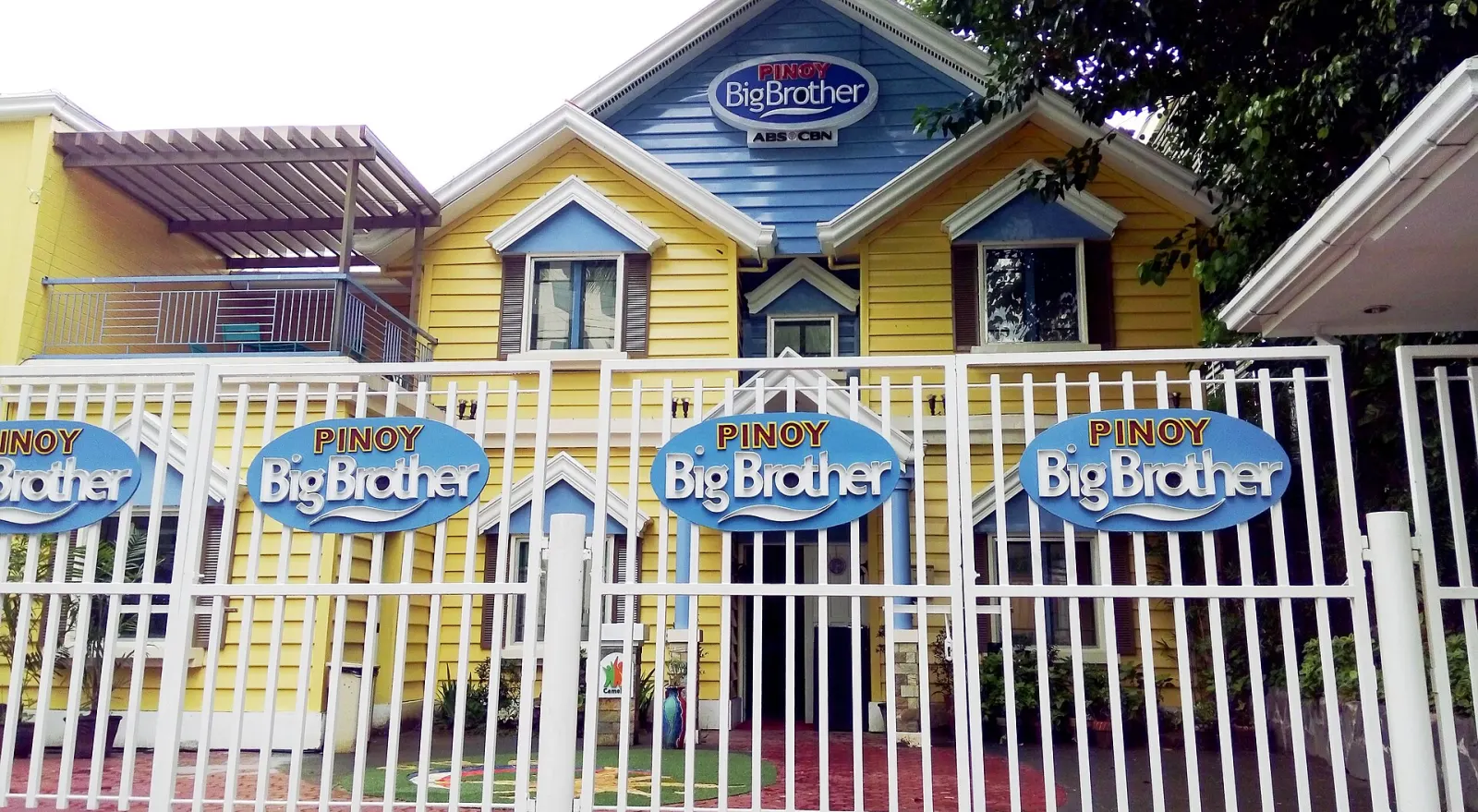
The former house stood along Eugenio Lopez Jr. Drive. Its departure followed a property and lease transition, rather than a decision that the television format had run its course. Philstar reported that the lot had been sold and that the lease was extended to accommodate the two Celebrity Collab editions before the move.
There is also an earlier demolition story that can make the timeline confusing. ABS-CBN reported the demolition of a portion of the PBB compound in May 2023. That was not the end of the main house’s use: the program continued there afterward.
Philstar Life’s March 24, 2026 account explains that the earlier work affected part of the complex after a lease expired, while the main house and control room remained. By March 2026, the program was formally preparing to leave its longtime home. Farewell coverage and the October opening belong to this later relocation, not to the partial demolition three years earlier.
PEP’s March 25 farewell report said the old house was due for demolition. Production designer Nancy Arcega recalled creating its interiors with director Lauren Dyogi, including the strong colors that became part of its personality. The loss involved a working environment for its makers as well as a landmark for viewers.
The reliable distinction is simple: the original site has been retired as PBB’s operating home, and the new season uses a different facility. An old street photograph should no longer be used as directions to the current house. This feature does not establish the present condition of every structure on the former lot through a site inspection.
Why a reality-show building mattered
For readers encountering the program for the first time, Pinoy is an informal term for Filipino, while kuya means older brother. PBB adapts the international Big Brother reality-competition format for a Philippine audience. The house is both accommodation and television setting: ordinary domestic spaces become the stage for the program’s tasks, interactions and departures.
Its long association with one frontage made the building something more than a set. A doorway becomes a recurring image; a gate supplies a familiar beginning and ending. Even viewers who disagree about a season can recognize the same physical landmark. That is one way television enters a city’s shared visual vocabulary.
The old house also changed while it was in use. Philstar Life traces alterations to its appearance, including a major façade redesign in 2011. The image remembered as the original house was therefore not a single unchanging object. Different generations of viewers may be remembering different versions of the same address.
This is a useful way to understand the present reaction. Nostalgia does not require a building to have been architecturally grand. Repetition can give a modest place emotional scale. A familiar entrance may mark a period in someone’s own life as much as a period in broadcasting.
A new house within a changing broadcaster
There is a business context as well. In an August 2026 report on ABS-CBN’s returning shows, Philstar described the broadcaster’s consolidation of operations around the ELJ and Gina Lopez buildings. Chief operating officer Cory Vidanes presented the new PBB facility as a more cost-efficient home for the program.
A television house has to work behind the camera as well as in front of it. The public sees walls and an entrance; a production has to organize people, equipment and the spaces needed to make a continuing series. The move can be understood as both a creative reset and an adjustment to the broadcaster’s physical footprint.
That does not settle whether viewers will prefer the new design. It does put the comparison on firmer ground. A different façade is not, by itself, evidence that the program has lost its identity, just as keeping an old façade would not guarantee a compelling season.
How to read the new landmark
For an international visitor interested in Filipino popular culture, the PBB move offers a small but revealing lesson: cultural landmarks are not confined to museums, monuments or colonial streets. A television building can carry collective memory even while it remains a private workplace.
Look at the new and old photographs as documents of different moments. Notice how the design communicates a house, a brand or an entrance to a performance. Then keep the photograph in proportion. What gives the program continuity is also what cannot be preserved in masonry: the stories made inside and the people who decide to keep watching.
The address has changed. Whether the new house becomes equally familiar will be decided over time, one season at a time.
Explore more stories about Philippine culture.
Reporting note: This desk-researched feature was prepared with AI assistance using the linked reporting, checked November 6, 2026. It does not claim an interior visit or an inspection of the former lot. Photographs are dated in their captions.

Join the conversation
Sign in to comment