
Albay: In the Presence of Mayon
The relationship between Cagsawa and Daraga makes Mayon’s landscape a story of settlement, loss and rebuilding.
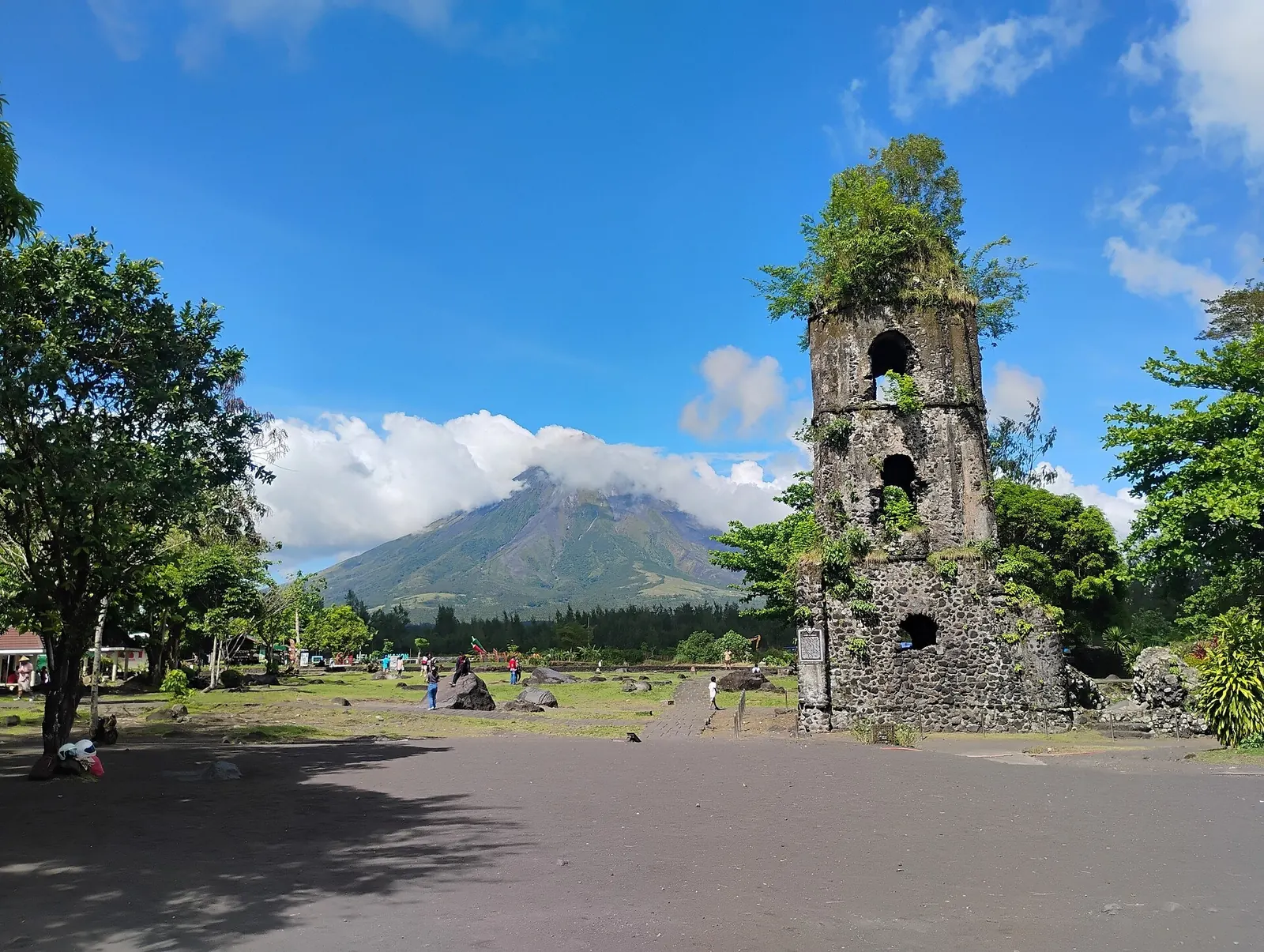
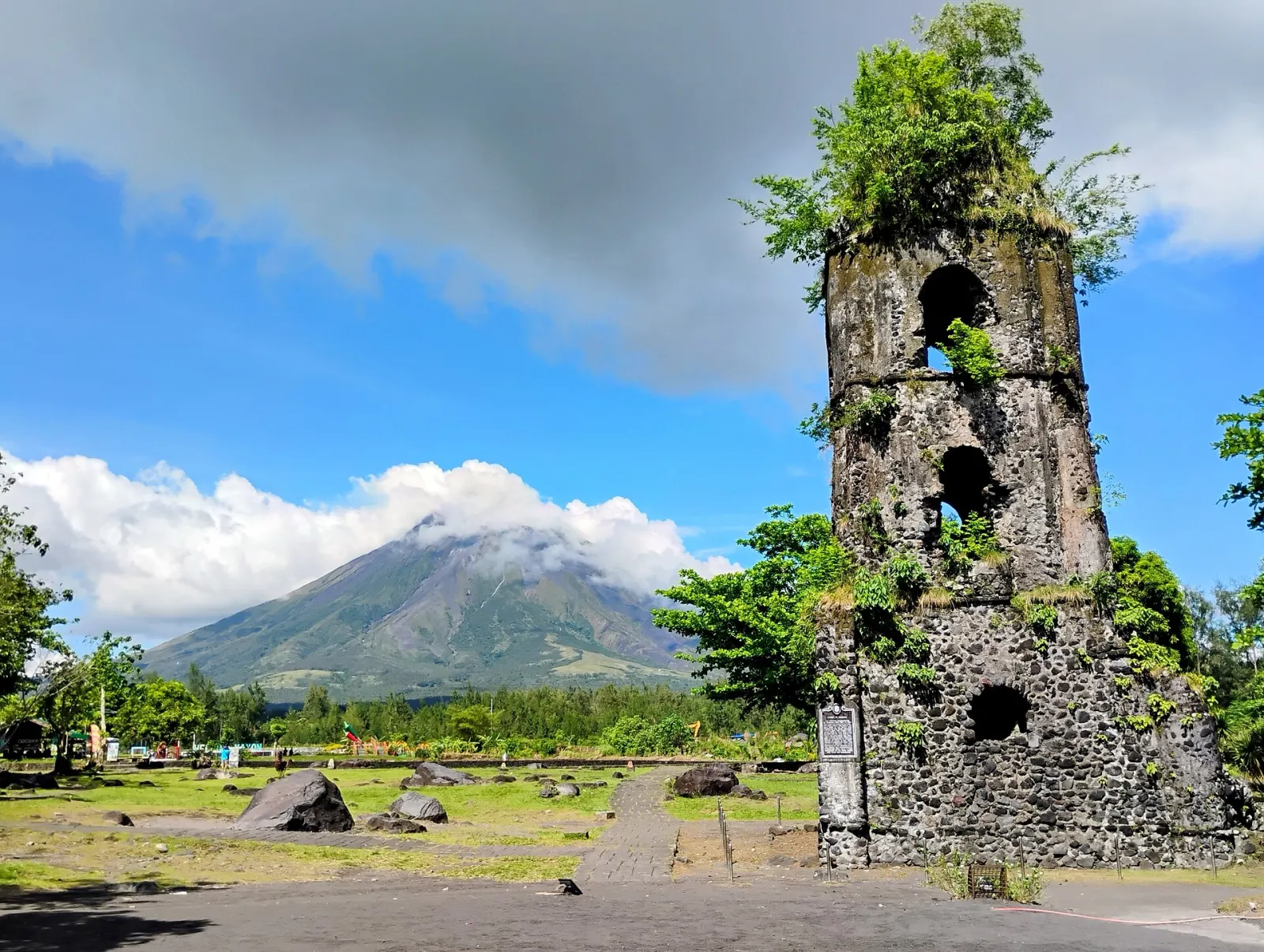
Mayon is often framed as a backdrop, but at Cagsawa the volcano is central to what the site means. The NHCP’s historical record identifies February 1, 1814 as the eruption that destroyed the town and church. A surviving ruin therefore marks a community’s history, not simply a convenient foreground for a mountain photograph.
The historical markers use the spelling Cagsaua, while Cagsawa is familiar in present-day usage. Recognizing the variation helps readers connect the records with the place they encounter on maps and signs.
Read the ruins alongside Daraga
Daraga Church provides a second part of the story. Its NHCP marker dates construction to 1773 and records that worshippers from Cagsawa moved there after the destruction of their church in 1814. Daraga’s church therefore predates the eruption; it was not built from scratch solely to replace the lost one.
The same marker records later wartime damage and repairs in the early 1970s. This layered history is more informative than describing the building as perfectly preserved. Continuing use has involved maintenance, loss and reconstruction as well as survival.
Seen together, the two sites suggest questions about how communities respond to catastrophe. Where do people worship afterward? Which places remain in collective memory? What is rebuilt, and what is retained as a ruin? A view that initially appears timeless becomes a record of change.
The volcano remains active
PHIVOLCS’s Mayon guidance identifies a six-kilometer Permanent Danger Zone and warns that explosive activity can occur without clear precursors. Current bulletins and local restrictions must govern any visit. A distant clear view of the cone does not establish that approaching it is permitted or safe.
Plan heritage visits around accessible sites and current instructions, rather than using proximity to the crater as a measure of success. Weather can also obscure the mountain; the historical value of the churches and ruins does not disappear with the view.
Albay’s landscape is compelling because people have continued living and building in the presence of an active volcano. Understanding that relationship gives Mayon a place in a human history, beyond the symmetry that makes it so recognizable.
Research note: This regional guide was expanded with AI assistance and checked against the sources below. It is source-based writing, not a claim of first-hand reporting. Confirm current access arrangements before traveling.
Join the conversation
Sign in to comment