
Baguio: A Summer Escapade in the Highlands
Look beyond the cool-weather getaway and Baguio becomes a city of makers, public spaces and traditions carried into contemporary life.
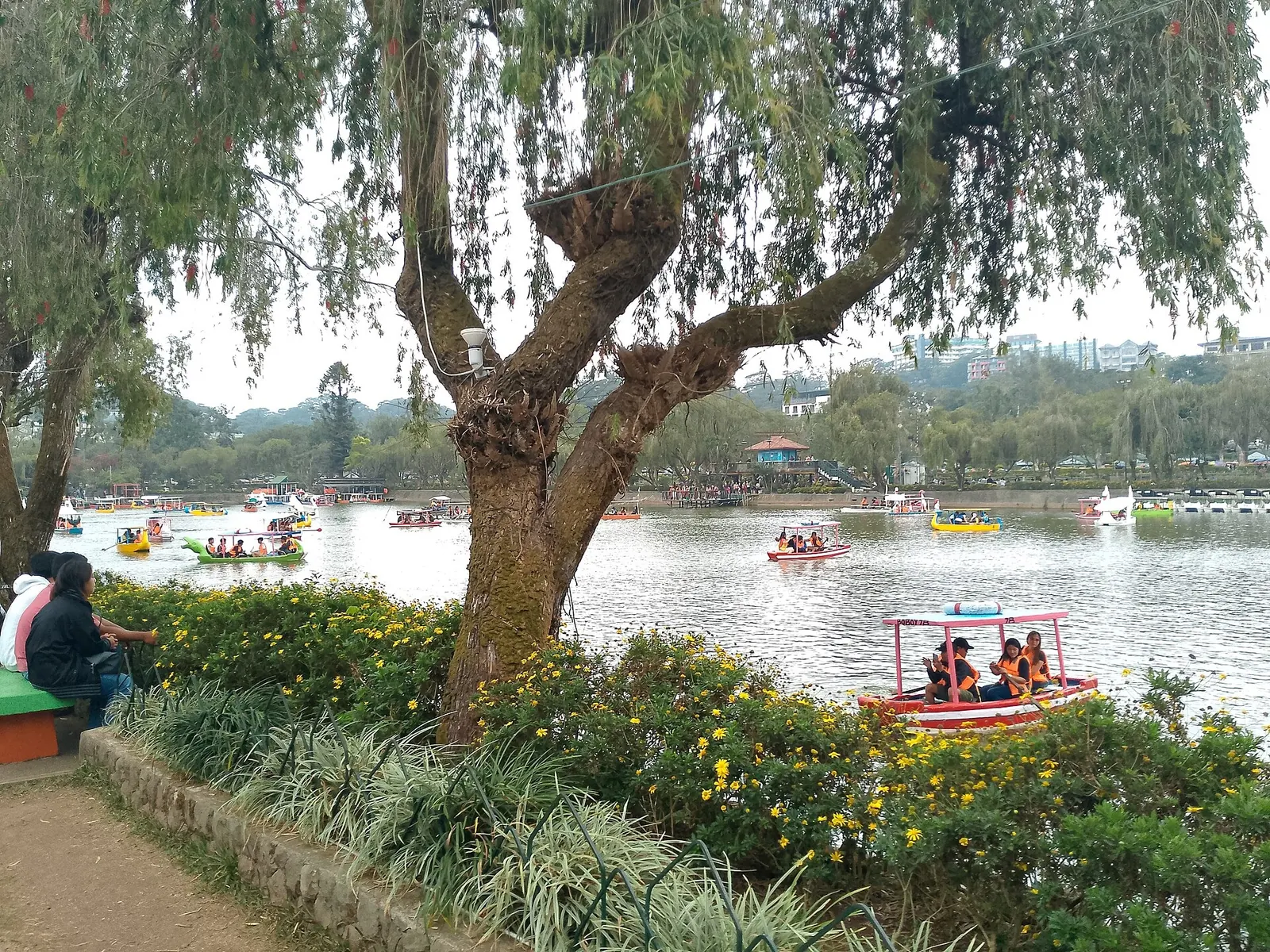
Baguio’s familiar holiday image can make the city seem like a collection of parks and scenic stops. Its designation as a UNESCO Creative City of Crafts and Folk Art offers a more revealing starting point. Baguio joined that network in 2017, recognizing a creative life that includes weaving, woodcarving and silver craft.
This is a Creative Cities designation, not a World Heritage inscription. The difference matters: the emphasis is on the people, institutions and practices that sustain a creative city, rather than on a single monument or a frozen historic district.
Follow the making, not only the merchandise
UNESCO’s profile connects Baguio’s craft economy with the transfer of knowledge between generations. For a visitor, this suggests a more interesting approach to shopping. Ask where a piece was made, who produced it and which materials or techniques distinguish it. Two objects with a similar pattern may have very different histories of manufacture.
A useful craft encounter need not be a demonstration arranged for a camera. A conversation about the function of a woven item, the finishing of a wood carving or the care of a silver piece can help explain the work. Pay attention to the maker’s terms for photographing a process or reproducing a design.
The city’s monitoring report for UNESCO identifies the Maharlika Livelihood Center as a longstanding place for craft trading, including weaving, carving and silverwork. The same report discusses public and creative spaces such as Burnham Park. Plans described in a report, however, are not evidence that every proposed facility has opened; verify an individual venue before making it the anchor of a visit.
Give the city time between stops
Burnham Park can serve as a pause in an itinerary rather than another box to tick. UNESCO’s urban cultural profile treats public space, heritage and creative activity as connected parts of Baguio’s life. Looking at who uses a park, how a market works and where craft is sold can be as informative as looking at a landmark.
Choose a manageable cluster of places and leave time to walk where conditions allow. Confirm opening hours and any appointment requirements directly with workshops or galleries. Baguio rewards this slower attention: the enduring interest is not simply escaping lowland heat, but seeing how a highland city makes, trades and shares culture.
Research note: This regional guide was expanded with AI assistance and checked against the sources below. It is source-based writing, not a claim of first-hand reporting. Confirm current access arrangements before traveling.
Sources
UNESCO: Baguio’s Creative City profile
Join the conversation
Sign in to comment