
Mountain Province: A View from the Highlands
Sagada’s burial sites and surrounding landscapes invite careful attention to the difference between a public attraction and a place held sacred by a community.
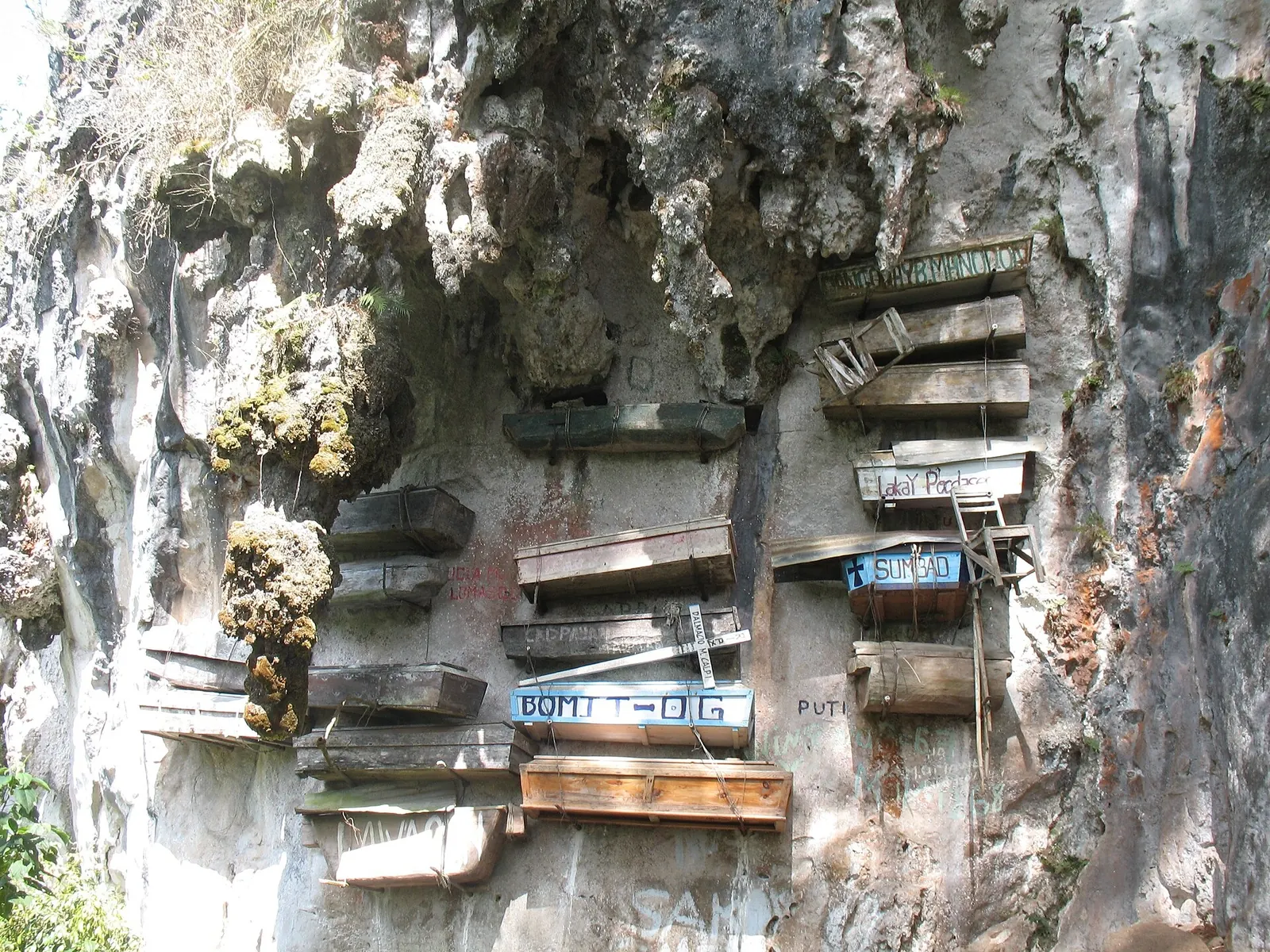
The hanging coffins associated with Sagada are among Mountain Province’s most widely circulated images. Yet the photograph can obscure the most important fact about the setting: these are burial places. Their meaning does not begin with tourism, and visitors do not determine which boundaries are appropriate.
Sagada’s guidance, reported by the Philippine News Agency, explicitly asks people not to touch or disturb coffins and burial sites and not to join or film rituals without permission from the presiding elders. These are useful principles for understanding the destination even when day-to-day visitor arrangements change.
Start with the community’s explanation
A local guide can help distinguish what is visible from what may be approached. The guide’s role is not simply to lead a route or point out a photograph. Interpretation can explain why a place matters and why a seemingly open path may not be an invitation to enter.
Keep different experiences separate in your planning. Viewing a burial landscape, entering a cave and walking to a viewpoint place different demands on visitors. Do not infer from a short map distance that the terrain, weather exposure or physical effort will be similar. Ask specifically about the route and choose an activity that suits everyone in the group.
The municipality’s official visitor portal is a better starting point for current registration arrangements than an old blog itinerary. Check local guidance again close to departure, particularly for weather-related restrictions and any changes to the places receiving visitors.
Look beyond one photograph
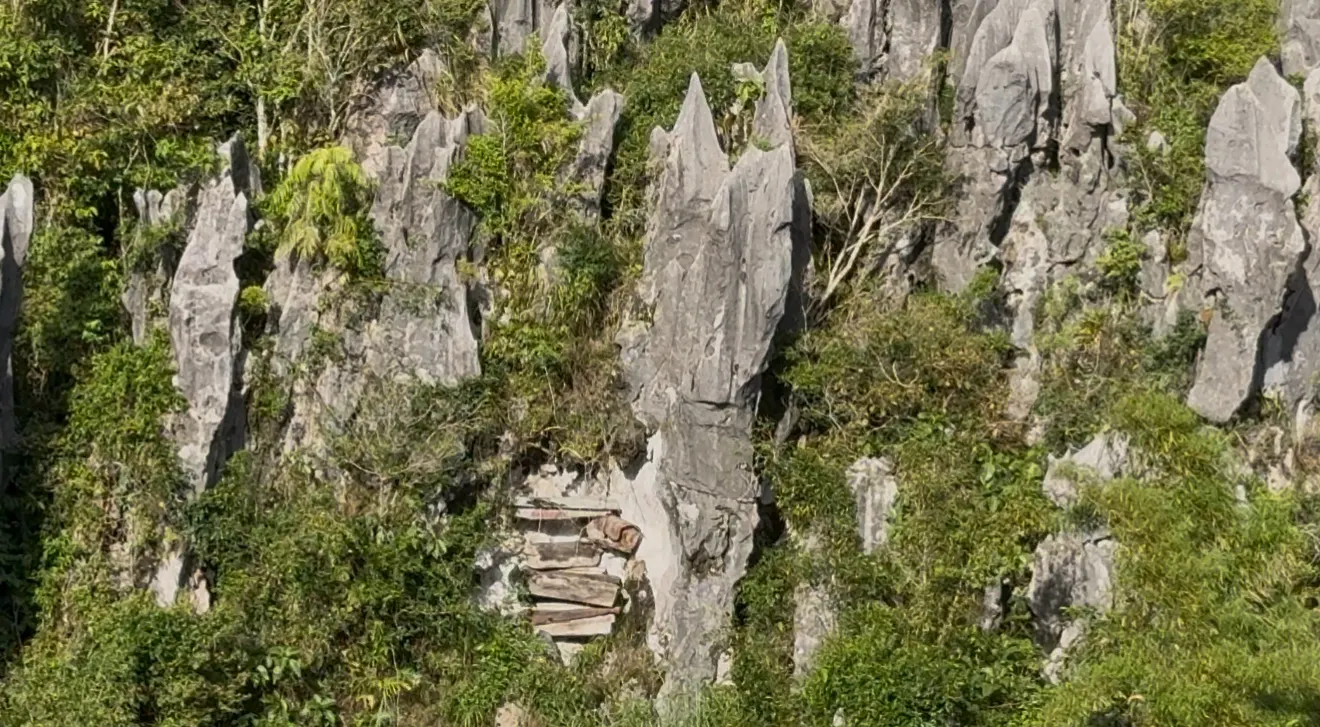
A 2022 report on southern Sagada’s tourism development describes places such as Balangagan Cave and the Pinumdeng skyline, alongside the better-known destinations nearer the town center. The report is useful evidence that the municipality contains different visitor areas; it is not a current guarantee that every listed route operates daily.
That wider geography argues for a slower visit. Choose a small number of places, learn which communities are hosting them and allow for local arrangements rather than racing between names. When transport or a guide is organized locally, ask what the fee covers and where the activity ends before setting out.
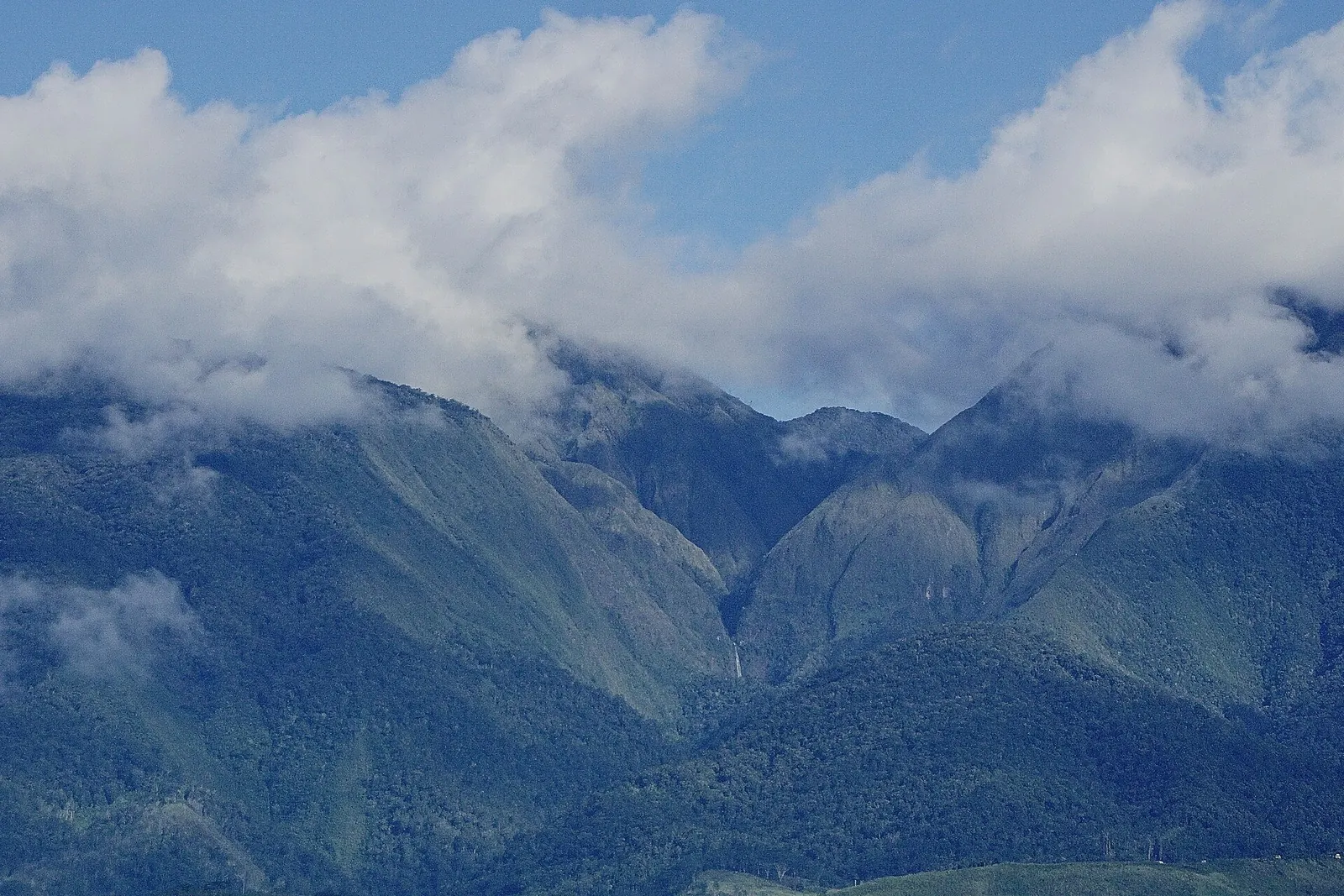
Mountain scenery is the visible part of the journey. The more lasting lesson is how access is negotiated: through people, consent and an understanding that a place can be meaningful without being available for unrestricted use.
Research note: This regional guide was expanded with AI assistance and checked against the sources below. It is source-based writing, not a claim of first-hand reporting. Confirm current access arrangements before traveling.
Sources
Philippine News Agency: Sagada’s cultural and visitor guidelines
Join the conversation
Sign in to comment